Home - Media - News - Guide to Electric Wheelchair Lithium Battery

Jul. 13, 2026

Guide to Electric Wheelchair Lithium Battery

Electric wheelchairs are invaluable for individuals with mobility challenges, providing independence and freedom. However, users often face issues with battery lifespan, charging times, and weight. This guide addresses these pain points, offering solutions for maximizing the performance of electric wheelchair lithium batteries. We'll explore everything from basic knowledge on battery types to an in-depth guide for maintenance. Whether you're a first-time user or seeking to extend the life of your current battery, this comprehensive guide is tailored for you. Key phrases such as "care for lithium batteries," "maximize battery life," and "electric wheelchair maintenance" will help you navigate through common challenges.


Basic Knowledge: Understanding Electric Wheelchair Lithium Batteries

Electric wheelchair lithium batteries differ significantly from traditional lead-acid batteries in terms of energy density, charge cycles, and durability. Lithium batteries typically have an energy density of around 150-200 Wh/kg, providing more power for a given weight. They can last for approximately 500 to 1,500 charge cycles, depending on usage and charging habits, compared to only 300-400 cycles for lead-acid batteries. Key terms to know include:


Guide to Electric Wheelchair Lithium Battery

In-Depth Guide to Electric Wheelchair Lithium Battery Maintenance

Step 1: Charging the Battery Correctly

To ensure optimal lifespan, always charge your lithium battery after it has been used. A full charge typically takes about 4-6 hours but can reach 78% in just 30 minutes for some modern chargers.


Step 2: Storing the Battery Properly

If you're not using your electric wheelchair for an extended period, store the battery at a 40-60% charge. This state of charge will keep it healthy and capable of lasting up to six months without significant performance degradation.

Related News

Sep. 14, 2026

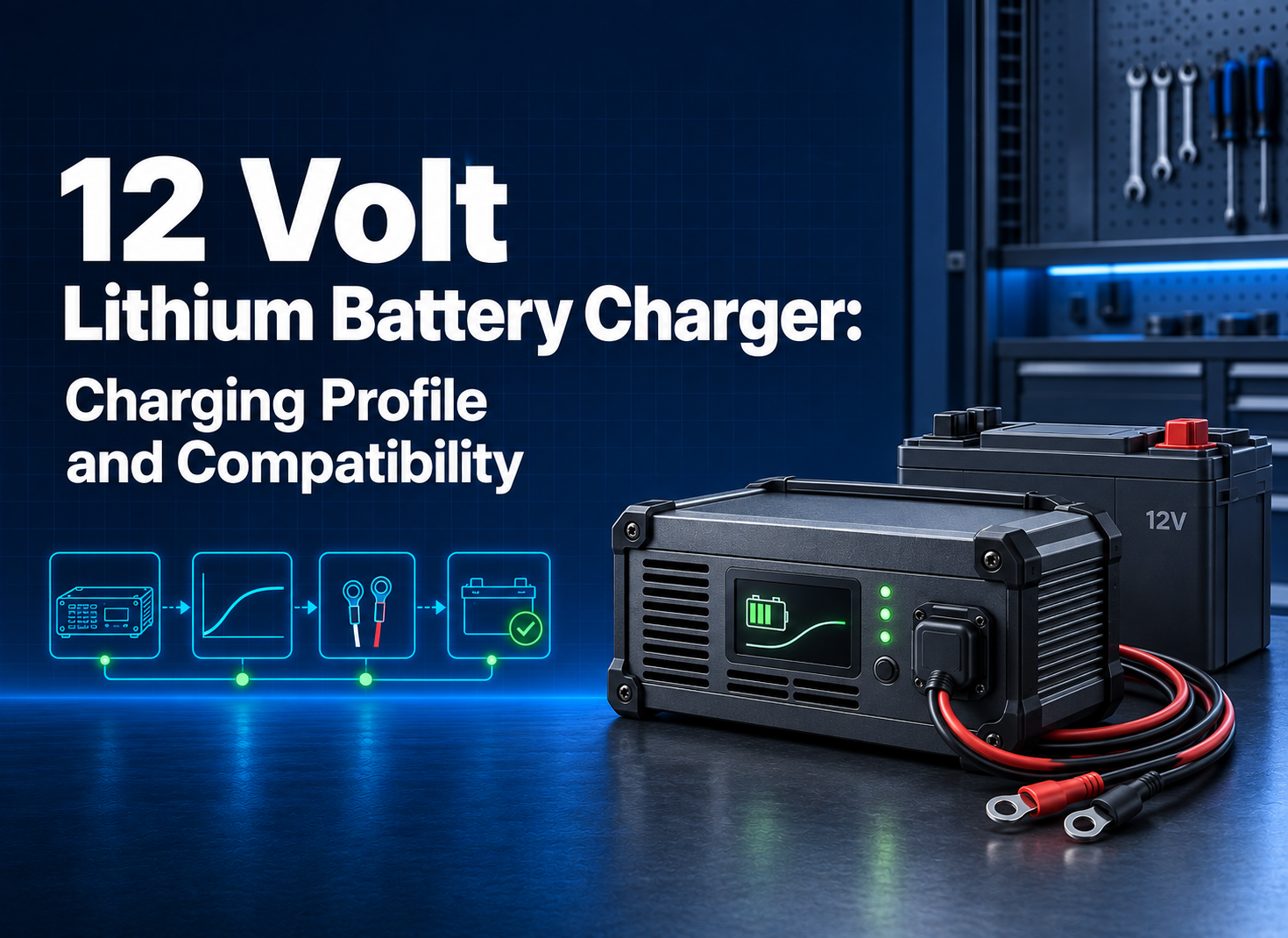
12 Volt Lithium Battery Charger: Charging Profile and Compatibility

Match a 12 volt lithium battery charger to battery voltage, current, termination, BMS response, temperature, connector, and acceptance tests.

Sep. 14, 2026

Server Rack Battery Backup: Server-Room Runtime and Resilience

Plan server rack battery backup from measured IT load, runtime, power, redundancy, UPS control, outage testing, recovery, and change management.

Sep. 14, 2026

Rack Mount Battery: Rack-Mounted Battery Product Selection

Specify a rack mount battery by electrical limits, rack geometry, BMS behavior, protection, communications, sample tests, and production controls.

Sep. 14, 2026

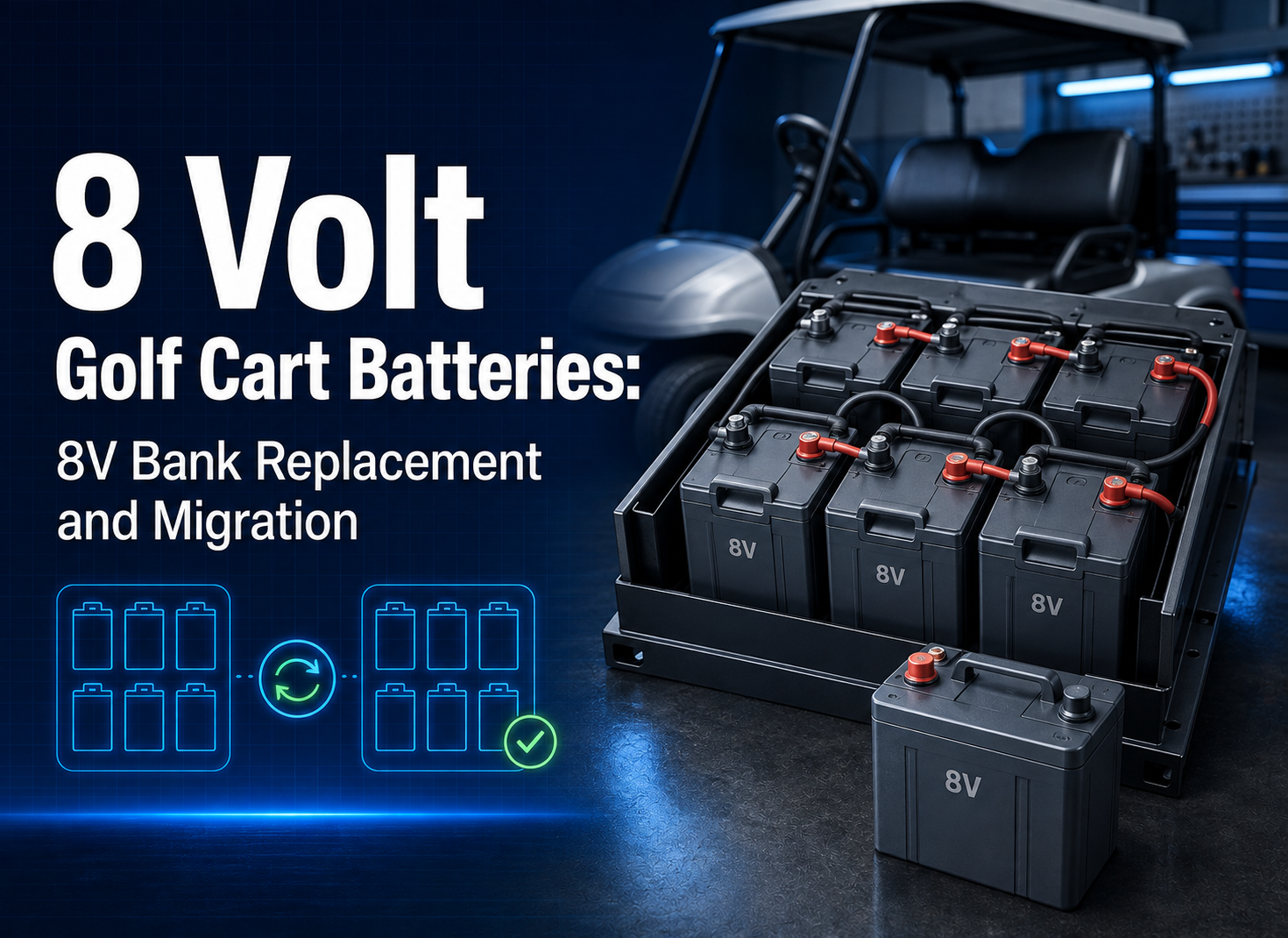
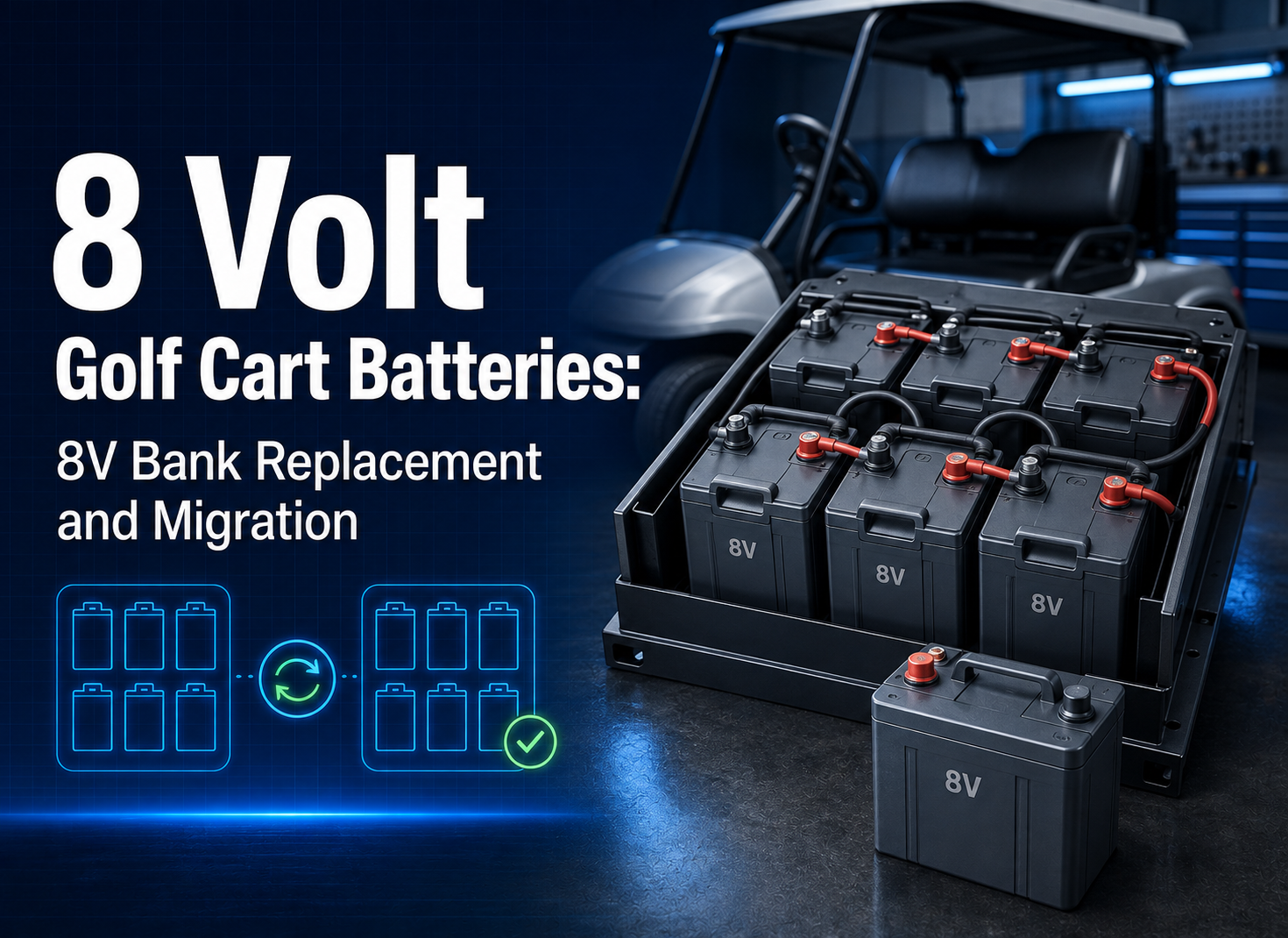
8 Volt Golf Cart Batteries: 8V Bank Replacement and Migration

Evaluate 8 volt golf cart batteries by bank architecture, vehicle duty, charger fit, cable layout, pilot evidence, and fleet replacement scope.

Sep. 14, 2026

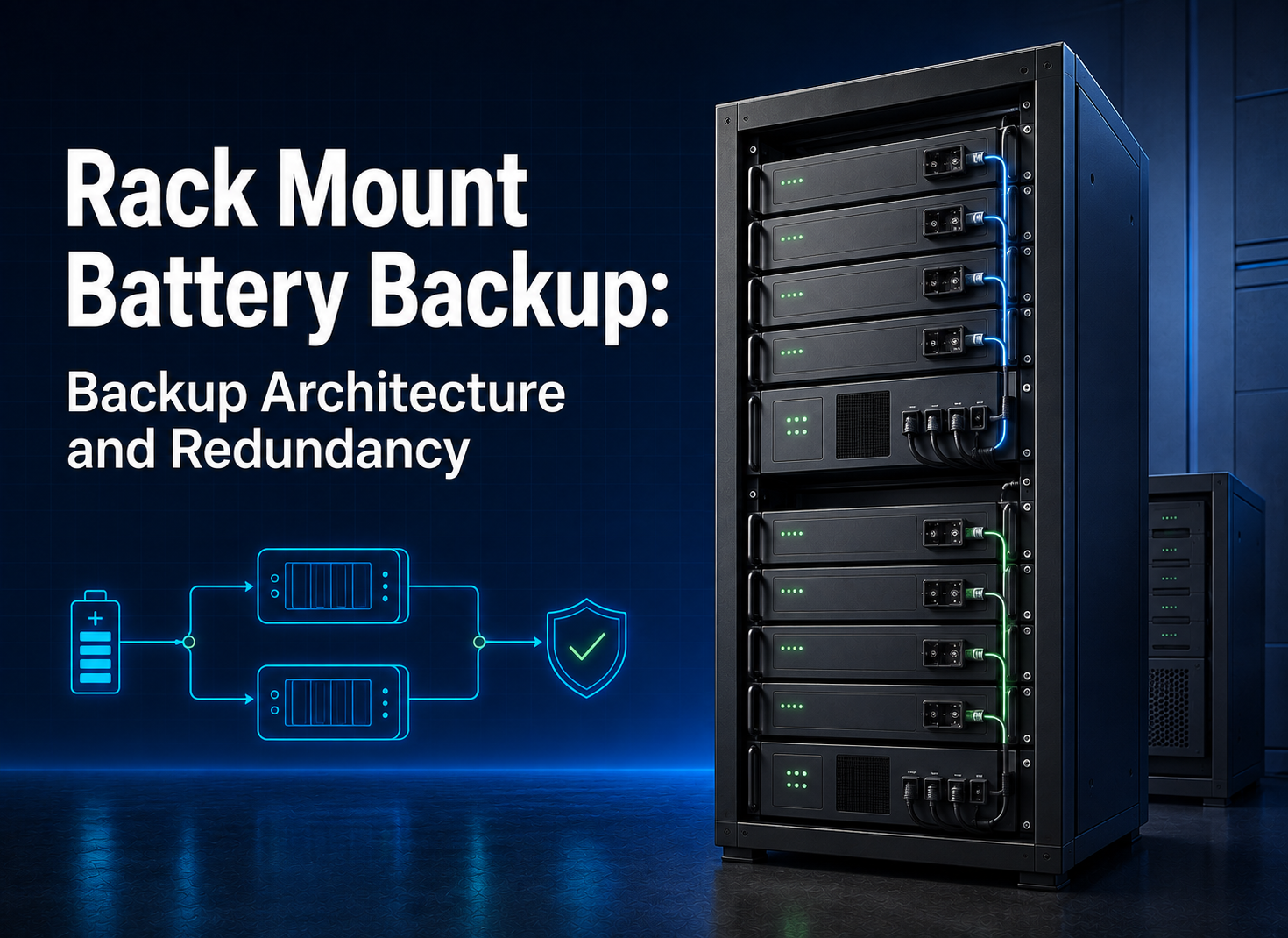
Rack Mount Battery Backup: Backup Architecture and Redundancy

Design rack backup around operating states, N+1 definitions, branch isolation, bypass, current sharing, degraded-state tests, and change control.

Sep. 04, 2026

Solar Server Battery Rack for Sale: RFQ Specification

Build a solar rack-battery RFQ around duty data, inverter interface, rack and protection scope, evidence, commercial comparison, FAT, and SAT.

Sep. 04, 2026

Rack Battery Charger: Charging Interface Design Guide

Specify a rack battery charger by charge envelope, AC/DC interfaces, BMS control, protection, thermal design, testing, and RFQ evidence.

Aug. 28, 2026

Powerwall Installation: From Site Survey to Commissioning

Plan a Powerwall installation through site survey, structural and electrical design, compatibility checks, permits, commissioning tests, and handover records.

Aug. 28, 2026

Commercial Battery Storage: Business Case & Buyer Guide

Build a commercial battery storage business case from load data, tariff logic, resilience value, system boundaries, evidence, delivery risk, and acceptance criteria.

Aug. 27, 2026

Server Rack Battery: A B2B Selection Framework

Use a decision framework to shortlist server rack battery options by duty, voltage, energy, rack envelope, BMS behavior, evidence, and commercial fit.

Aug. 27, 2026

48V Server Rack Battery: 48V Platform Selection and Integration

Evaluate a 48V server rack battery by voltage window, usable energy, DC current, rack fit, communications, commissioning evidence, and supplier controls.