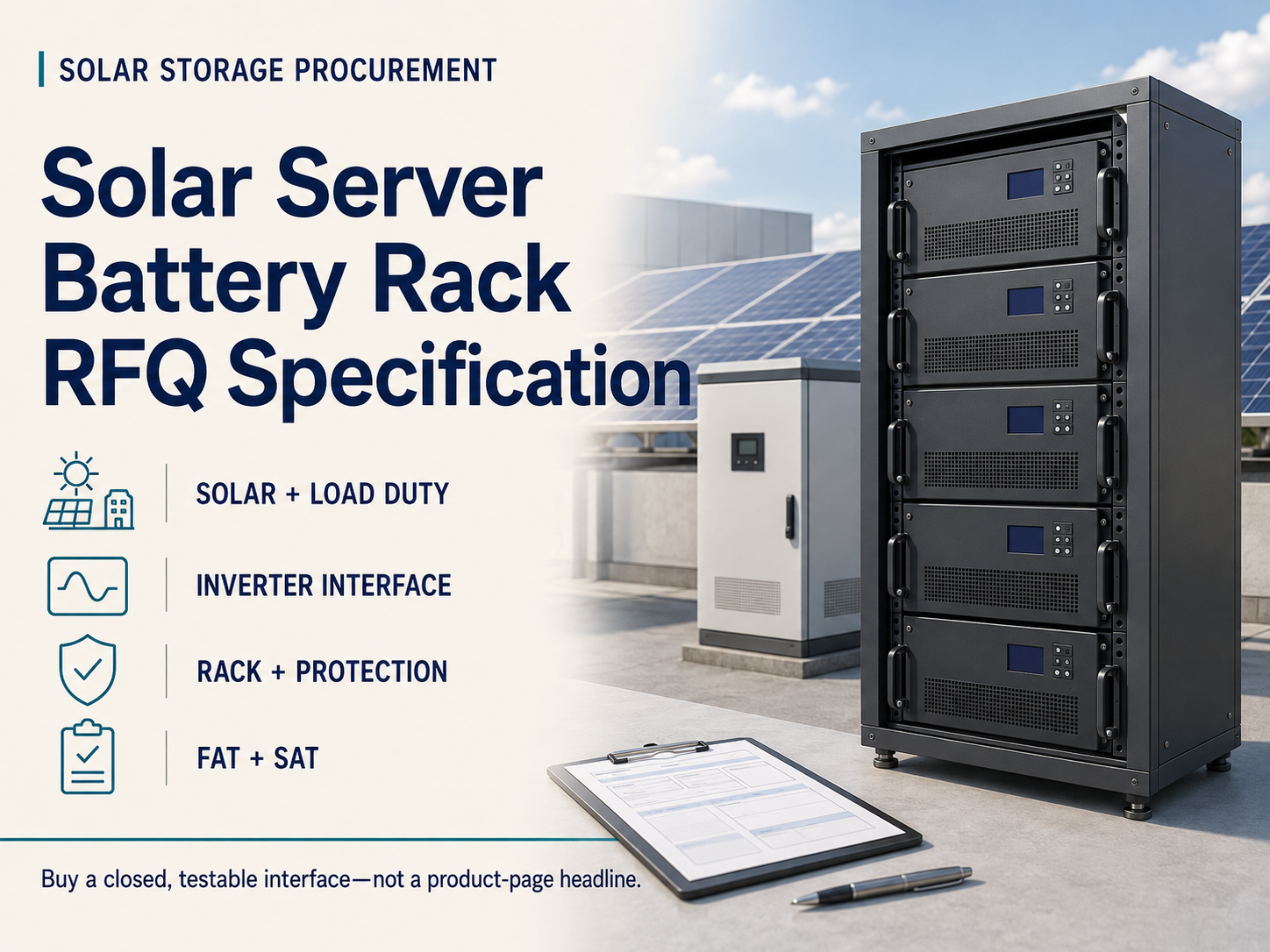
When evaluating a solar server battery rack for sale, issue an RFQ for a complete, testable solar-storage interface—not just a rack battery price. Define usable-energy and power duty, inverter model and firmware, DC voltage window, PV and grid operating modes, module/rack layout, protection, communications, environment, documentation, and acceptance tests. The preferred offer is the one that closes these interfaces and lists deviations clearly; an attractive product page cannot replace project engineering.
Turn buying intent into a solar-storage scope
State what the rack must accomplish: solar self-consumption, time shifting, backup, peak management, off-grid support, or another defined service. Then identify the operating schedule, load and PV data, grid or generator interactions, and what happens when objectives conflict. A procurement team cannot compare offers until dispatch priorities are explicit.
Separate the battery scope from the inverter/PCS, rack or cabinet, DC distribution, switchgear, controls, monitoring, HVAC, installation, commissioning, and site works. Mark who designs, supplies, installs, and accepts each interface. Many apparent price gaps come from omitted scope rather than better value.
Put the required inputs on the RFQ cover sheet
The first page should let a supplier determine whether the opportunity is technically qualified. Include destination market and site, application, AC and DC architecture, inverter identity, required power and usable energy, operating modes, rack constraints, ambient conditions, communications, project quantity, schedule, and required evidence.
|
RFQ field
|
Buyer’s value
|
Supplier response expected
|
|
Solar/load duty
|
Interval data and operating objective
|
Sizing assumptions and limitations
|
|
Inverter interface
|
Brand, model, firmware, DC range, protocol
|
Exact compatibility basis or test proposal
|
|
Rack envelope
|
Width, depth, height, mass/access limits
|
Proposed arrangement and drawings
|
|
Compliance market
|
Country/site and authority path
|
Model-scoped files and identified gaps
|
|
Acceptance
|
Required functional and performance tests
|
Procedure, instruments, tolerances, deliverables
|
Do not ask for a generic “best system.” Suppliers should respond to the same baseline and use a compliance/deviation matrix. If a value is unknown, identify the owner and date for closure instead of allowing an implicit assumption into the quotation.
Size solar duty with a time-series view
Use interval PV production and load data whenever available. Energy capacity must support the intended shift or backup duration; power capability must cover charge and discharge rates, load transitions, and control objectives. Keep kW and kWh separate. A rack marketed with a power term still requires confirmation of duration, conditions, and system boundary.
Model at least a normal case and a conservative case. Show conversion losses, reserve, seasonal variability, curtailment, backup reserve, and charging windows as explicit assumptions. Do not infer usable energy, cycle life, or degradation from a nominal label or another model’s document.
- Identify whether PV may charge the battery during an outage.
- Define priority when backup reserve conflicts with tariff or solar shifting.
- Check the lowest operating voltage when converting power to DC current.
- Set limits for export, zero-export, generator charging, and island operation where relevant.
- Name the meter or control signal that governs each mode.

Qualify the inverter and communication interface
An inverter and battery may share a nominal voltage family but still disagree on charge limits, protection thresholds, startup sequence, state-of-charge reporting, and fault recovery. Likewise, CAN or RS485 is not a compatibility statement. Obtain a dated matrix covering exact inverter and battery models, firmware, protocol, pinout, wiring, termination, settings, and validated operating modes.
If no applicable validation exists, include a bench or staged site test before bulk release. The script should cover startup, charge/discharge commands, limits, state-of-charge behavior, alarms, communication loss, recovery, and mode changes. Record settings and event logs so later firmware revisions can be compared to the approved baseline.
Review the rack product in context
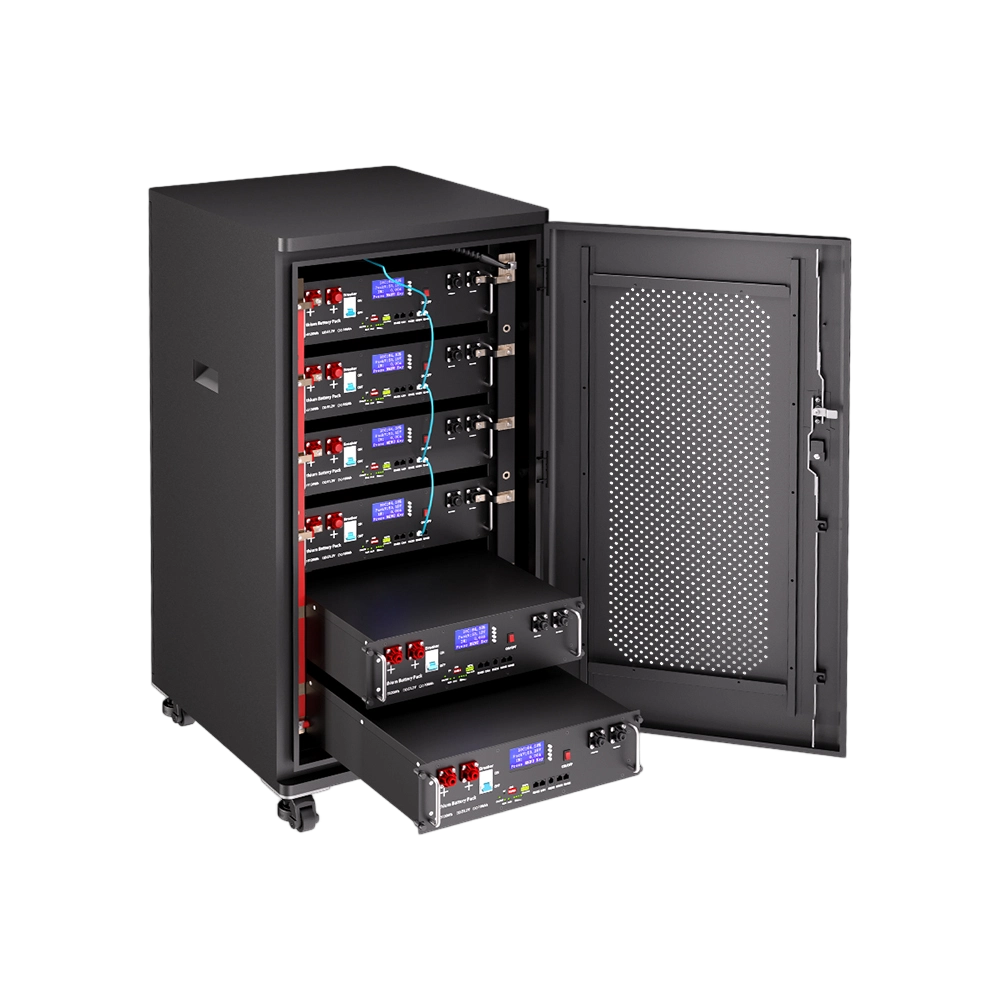
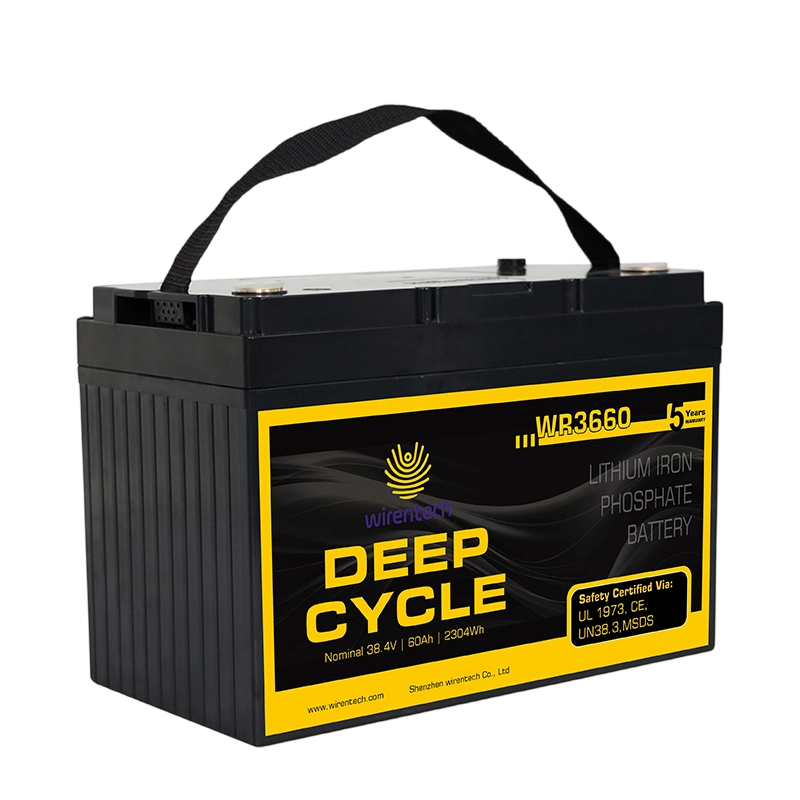
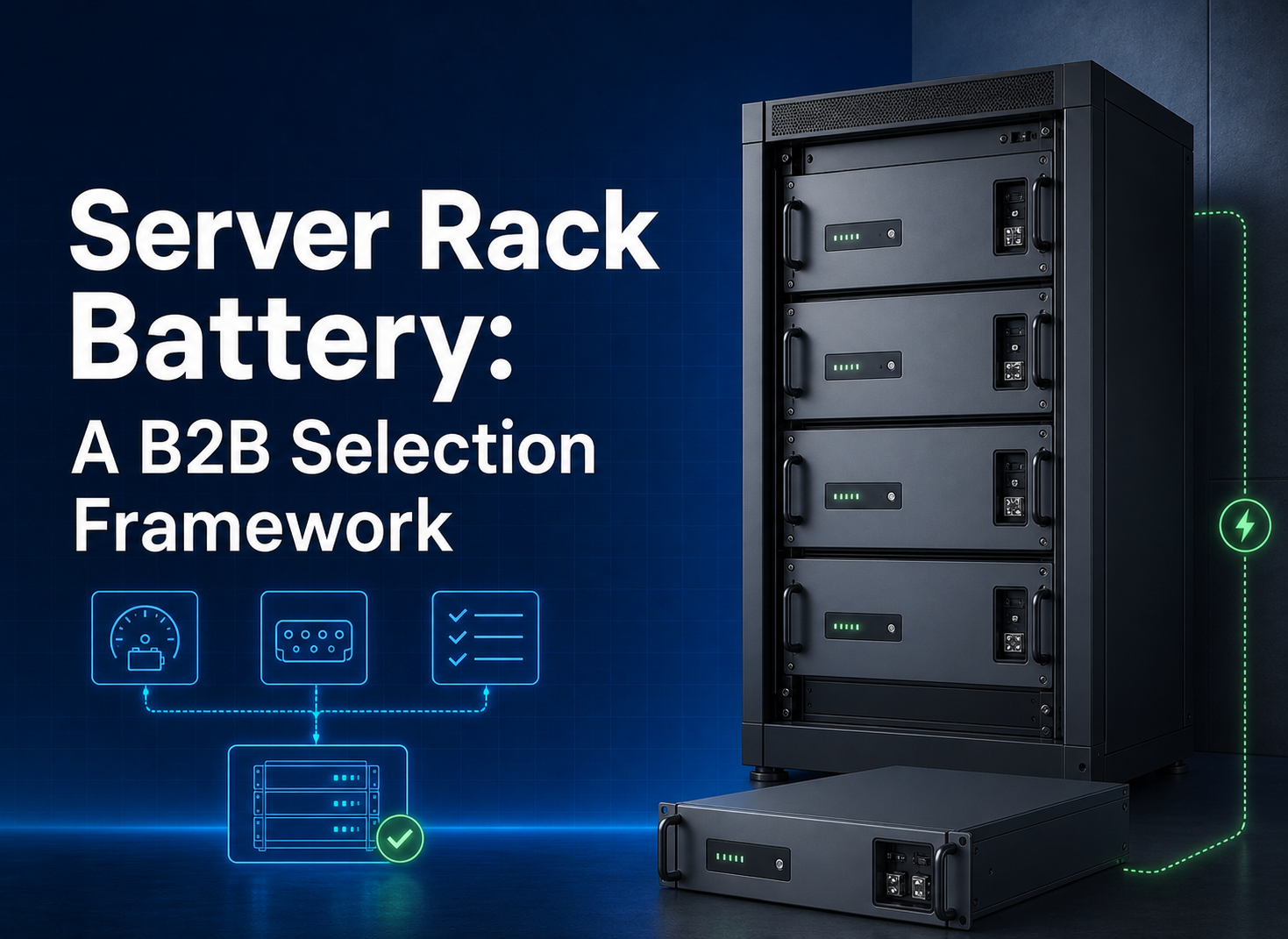
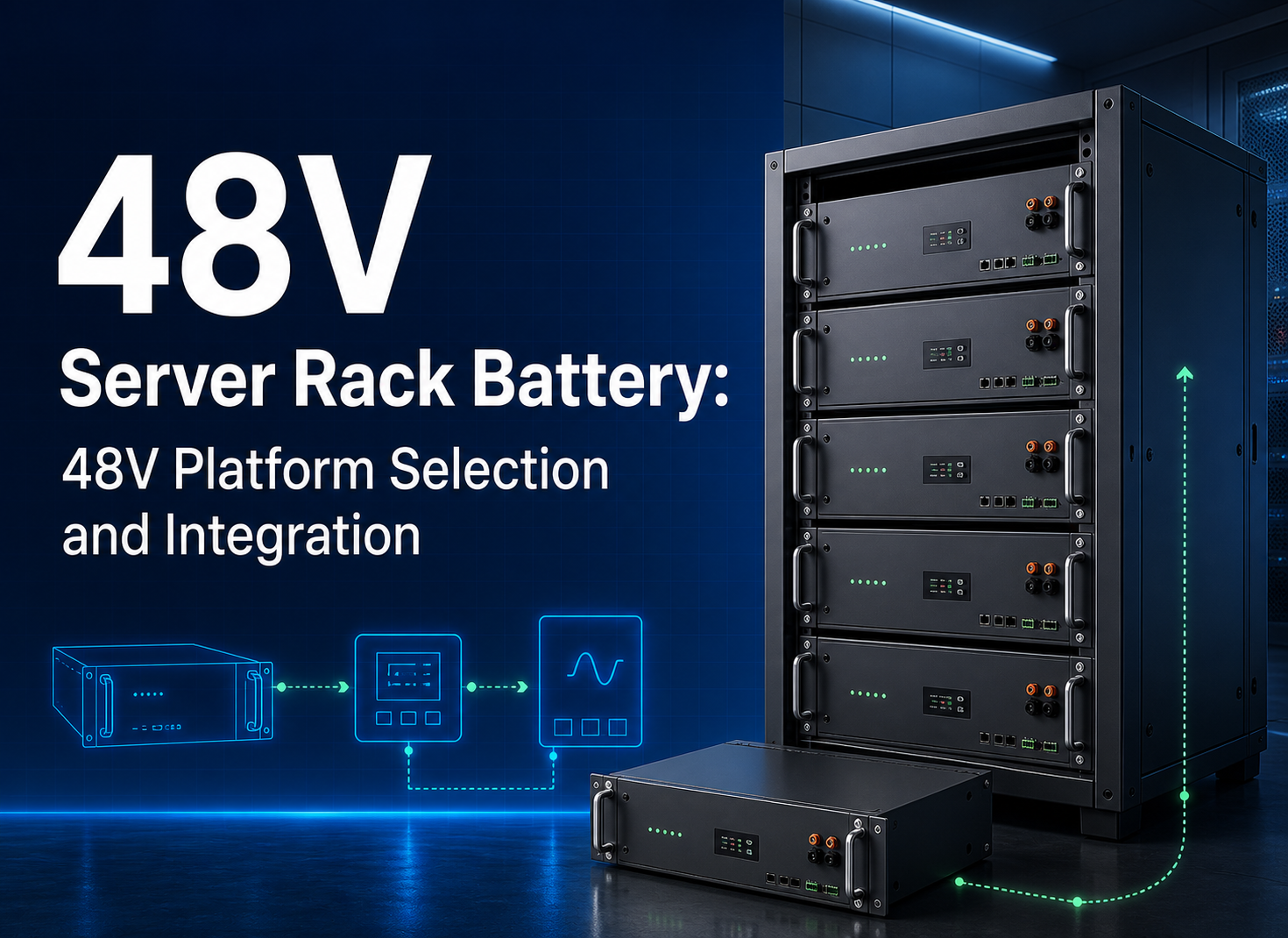
The 51.2V 200Ah 10kW LiFePO4 Rack Mounted Battery LFP Battery is relevant to a solar rack shortlist, but this exact product-page name is only a navigation and screening reference. It does not by itself prove usable energy, solar-inverter compatibility, continuous output, permitted expansion, certification scope, warranty, price, or delivery.
Ask for the current controlled datasheet, drawings, battery limits, BMS/interface document, test evidence, and commercial offer for the exact configuration. Compare those files with the RFQ rather than expanding page selling points into project facts.
Specify rack, bus, protection, and access
Confirm module dimensions and mass, rack width/depth/height, shelves or rails, restraint, center of gravity, floor loading, cable routes, branch protection, busbars, isolation, labeling, ventilation, and removal space. Show how technicians isolate and replace a module without contacting exposed live parts or disturbing unrelated branches.
|
Physical/electrical item
|
Required decision
|
Acceptance evidence
|
|
Module support
|
Approved shelf/rail and loading
|
Layout and installation inspection
|
|
DC branches
|
Cable, connector, protection, isolation
|
Drawing plus continuity/polarity checks
|
|
Common bus
|
Rating, fault basis, current sharing
|
Calculation and controlled duty test
|
|
Cooling path
|
Inlet conditions, airflow, heat basis
|
Temperature survey at defined duty
|
|
Service clearance
|
Front/rear/side access and lifting
|
Site/rack fit review
|
Do not assume a maximum parallel count or system energy from conflicting or unrelated sources. The offer must state the validated topology for the exact model, BMS firmware, bus design, and protection arrangement. Any expansion option should include the permitted sequence, age/state requirements, settings, and retest rule.
Ask for evidence by claim and model
Create an evidence register that names the claim, exact model, document, revision/date, scope, and buyer decision it supports. Treat transport documentation, component recognition, safety testing, and system approval as different items. A report for one model or installation configuration cannot establish a claim for another.
Also separate product evidence from supplier capability. Factory ownership, area, production lines, capacity, customers, MOQ, lead time, warranty, and service coverage require current supporting records or contract terms. General website statements should not be converted into fixed promises.
Normalize the commercial comparison
Break quotations into battery modules, racks/cabinets, busbars and protection, cables/connectors, controls, communications, documentation, testing, packaging, freight basis, spares, installation support, commissioning, training, and service. State currency, validity, taxes/duties, delivery point, and exclusions. This exposes whether a lower equipment price transfers cost and risk to the integrator.
|
Commercial line
|
Compare on the same basis
|
Hidden-risk question
|
|
Equipment
|
Exact model, quantity, accessories
|
What is required but excluded?
|
|
Engineering
|
Drawings, interface work, reviews
|
Who closes inverter and site gaps?
|
|
Validation
|
FAT/bench/site tests and reports
|
Are instruments, loads, and travel included?
|
|
Logistics
|
Packaging, dangerous-goods files, delivery term
|
Who owns damage and document readiness?
|
|
Service
|
Response path, spares, change support
|
What is contractually committed?
|
MOQ, sample timing, lead time, warranty, and price must be quoted for the actual model, customization, quantity, destination, and schedule. Do not publish estimated figures.

Define factory and site acceptance gates
Before shipment, verify configuration, dimensions, labeling, documentation, protection, communications, alarms, and representative charge/discharge behavior agreed in the FAT. At site, confirm delivery condition, installation, polarity, isolation, settings, inverter handshake, meter direction, operating modes, limits, alarms, emergency functions, and handover records.
Set stop conditions: mismatched model or firmware, unresolved polarity, missing protection, unexpected communication behavior, unapproved field change, or unavailable document required for the destination. Schedule pressure should not turn these into post-commissioning tasks.
Questions to close before issuing a purchase order
What does “for sale” need to include beyond the battery price?
The offer should define exact models, quantities, rack and DC hardware, controls, documents, tests, packaging/logistics, engineering, commissioning support, exclusions, commercial terms, and change rules.
How should a solar battery rack be sized?
Use time-series PV/load data, defined operating modes, required usable energy, continuous and transient power, inverter efficiency, reserve policy, temperature, and applicable exact-model limits. Validate both energy and current.
Does a 51.2 V label prove inverter compatibility?
No. Confirm the full DC window, charge/discharge settings, current limits, protocol, pinout, firmware, wiring, operating modes, alarms, and recovery for the exact combination.
Which Wirentech product page can support an initial shortlist?
The 51.2V 200Ah 10kW LiFePO4 Rack Mounted Battery LFP Battery page linked above can support initial screening. Its product name and page content do not replace exact-model technical review or project approval.
What documents should arrive before shipment?
Request controlled datasheets and drawings, BMS/interface information, configuration list, applicable safety and transport files, FAT results, installation and service instructions, packing records, and contract documents.
How can buyers reduce future expansion risk?
Define expansion at design stage: space, bus/protection capacity, validated module count, firmware/topology, age/state rules, control changes, installation sequence, and required retesting.
Buy the closed interface, not the search result
A strong solar server battery rack for sale proposal converts solar and load data into a declared duty, connects an exact battery and inverter through a verified interface, defines rack and protection scope, and proves the build through acceptance records. The limitation is that every conclusion depends on the selected model, firmware, topology, site, and destination requirements.
Send Wirentech the interval data, operating objectives, required kW and usable kWh, inverter model/firmware, rack constraints, site environment, communications, grid/PV/generator modes, destination, quantity, evidence list, schedule, and FAT/SAT expectations. Ask for a compliance matrix and priced scope so technical and commercial gaps are visible before the purchase order.