

Aug. 27, 2026
Selecting a server rack battery is a filtering exercise: eliminate options that fail the duty, voltage, mechanical, controls, evidence, or service gates before comparing price. The most reliable shortlist begins with the protected application and ends with a pilot that reproduces the intended configuration. Capacity and chemistry matter, but neither rescues an option that cannot fit the rack, communicate with the controller, deliver the required current, or arrive with model-scoped documents.
This guide provides a broad selection framework for comparing rack-battery architectures. It keeps platform-specific voltage questions separate and does not turn “server rack” into a claim that every product is designed for data-center UPS duty.
“Server rack battery” is used for several stationary-storage contexts: solar storage, UPS backup, telecom, server rooms, and other rack-based systems. The buyer must identify the real operating mode. A backup system that waits at float or standby has a different duty from a daily-cycling solar system. A critical facility may value fault isolation and serviceability more than maximum energy per cabinet.
Describe the protected loads, acceptable interruption, backup duration, recharge window, daily or event frequency, ambient conditions, maintenance access, and consequence of a failed module. State whether operation is grid-connected, off-grid, UPS-like, or hybrid. These inputs determine which battery attributes are decision-critical and which are merely attractive brochure features.
|
Application question |
Decision it drives |
Bad shortcut |
|
What must remain powered? |
Continuous and transient power |
Selecting by Ah alone |
|
How long must it run? |
Usable energy and reserve |
Using nominal kWh as runtime |
|
How often will it cycle? |
Duty, thermal review, and evidence |
Accepting a cycle headline without conditions |
|
What happens after one fault? |
Isolation, redundancy, and service method |
Assuming the BMS resolves every system fault |
Voltage affects current, conductor size, protection, inverter topology, and service procedures. Compare battery operating windows with the inverter or DC equipment, including charge limits, low-voltage behavior, and fault recovery. A product sold in a “48 V” family may use a 51.2 V nominal configuration; the name alone does not prove that every setting aligns.
Higher-voltage architectures can reduce current for the same power but add different insulation, isolation, service, and system-integration requirements. Low-voltage rack systems can be modular and familiar, yet high current makes busbar and cable design decisive. Choose the architecture on whole-system consequences and the responsible designer’s requirements.
Do not mix modules of different models, ages, states of charge, firmware, or limits unless a controlled procedure explicitly allows it. If expansion is expected, capture the approved topology and age-mixing policy at the first purchase.
Use load data to calculate required delivered energy, then apply conversion losses, reserve, environmental derating, and ageing assumptions agreed by the project. Keep nominal energy and usable energy separate. For power, calculate DC current at the lowest relevant operating voltage and review both continuous demand and time-limited events.
Recharge can become the hidden constraint. A large energy bank may not recover within the available solar, generator, or grid window. Define maximum permitted charge current, charger or inverter capacity, site power limits, and the next event the system must survive. In a UPS-like application, recovery time after an outage may be a procurement requirement.
|
Sizing output |
Required basis |
Acceptance idea |
|
Usable energy |
Load profile, losses, reserve, environment, ageing |
Representative runtime test |
|
Continuous power |
Simultaneous load at design voltage |
Sustained-load observation |
|
Transient capability |
Event magnitude, duration, repetition, starting conditions |
Controlled event or equivalent bench test |
|
Recharge time |
Source power, charge limits, operating schedule |
Logged recharge sequence |
Collect U-height, width, depth, rail or shelf details, loaded mass, connectors, cable exits, airflow direction, front and rear clearances, and handling method. A 19-inch statement does not guarantee fit in a particular cabinet. Deep modules may conflict with doors, PDUs, busbars, or cable bends; heavy modules may require shelves or lifting aids.
Decide how technicians isolate and replace one module. Serviceability can affect cabinet count, aisle space, spare strategy, and downtime. Confirm rack anchorage, floor loading, seismic requirements, and ventilation through the appropriate project disciplines. The battery product page is not a site structural or fire approval.
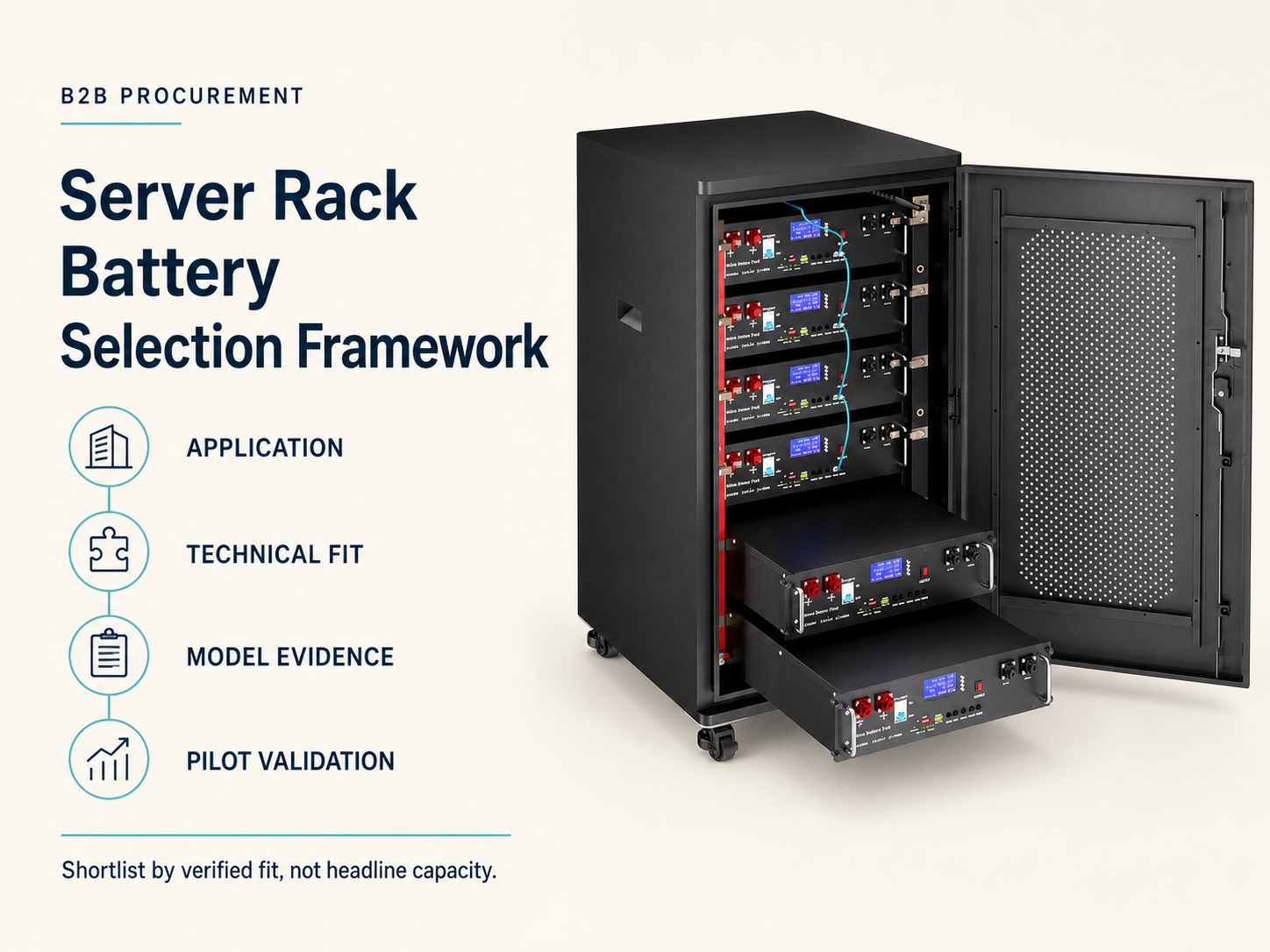
Use a dimensioned cabinet elevation to show batteries, branch protection, busbars, communications, sensors, cable management, and reserved space. This single drawing often reveals conflicts earlier than a long specification.
A BMS should be evaluated through required functions and observed behavior. Define measurement, protection, balancing, state estimation, current limits, alarms, event logging, contactor or MOSFET behavior, and recovery expectations. The system-level design must also coordinate fuses or breakers, isolation, emergency shutdown, inverter control, and site monitoring.
CAN, RS485, and RS232 describe interfaces; they do not guarantee protocol compatibility. Require the exact pinout, protocol, version, addressing, termination, firmware, and validation record for the paired inverter or controller. Test normal charge and discharge, limit changes, communication loss, alarm propagation, shutdown, restart, sleep, and wake.
If the supplier says a battery “matches mainstream inverters,” ask for a dated matrix by brand, model, firmware, protocol, wiring, and result. Treat compatibility as a buyer verification task until that exact equipment combination has a documented validation record.
Create a document register before commercial approval. It may include datasheet, drawing, manual, protocol, transport test summary, SDS, applicable certification or test files, installation instructions, labels, inspection plan, warranty terms, and change history. Each entry needs model, revision, date, scope, status, and owner.
Do not combine evidence across models. Documents issued for another battery model cannot substantiate this 200Ah rack product. Match every electrical value, interface, transport file, certification statement, and limitation to the exact ordered model and revision.
UL 9540A is a test-method/report context, not a product certification. Request the exact tested configuration and report boundary. For parallel expansion or total system capacity, use only the limit documented for the exact model, firmware, topology, busbar, protection, and test conditions.
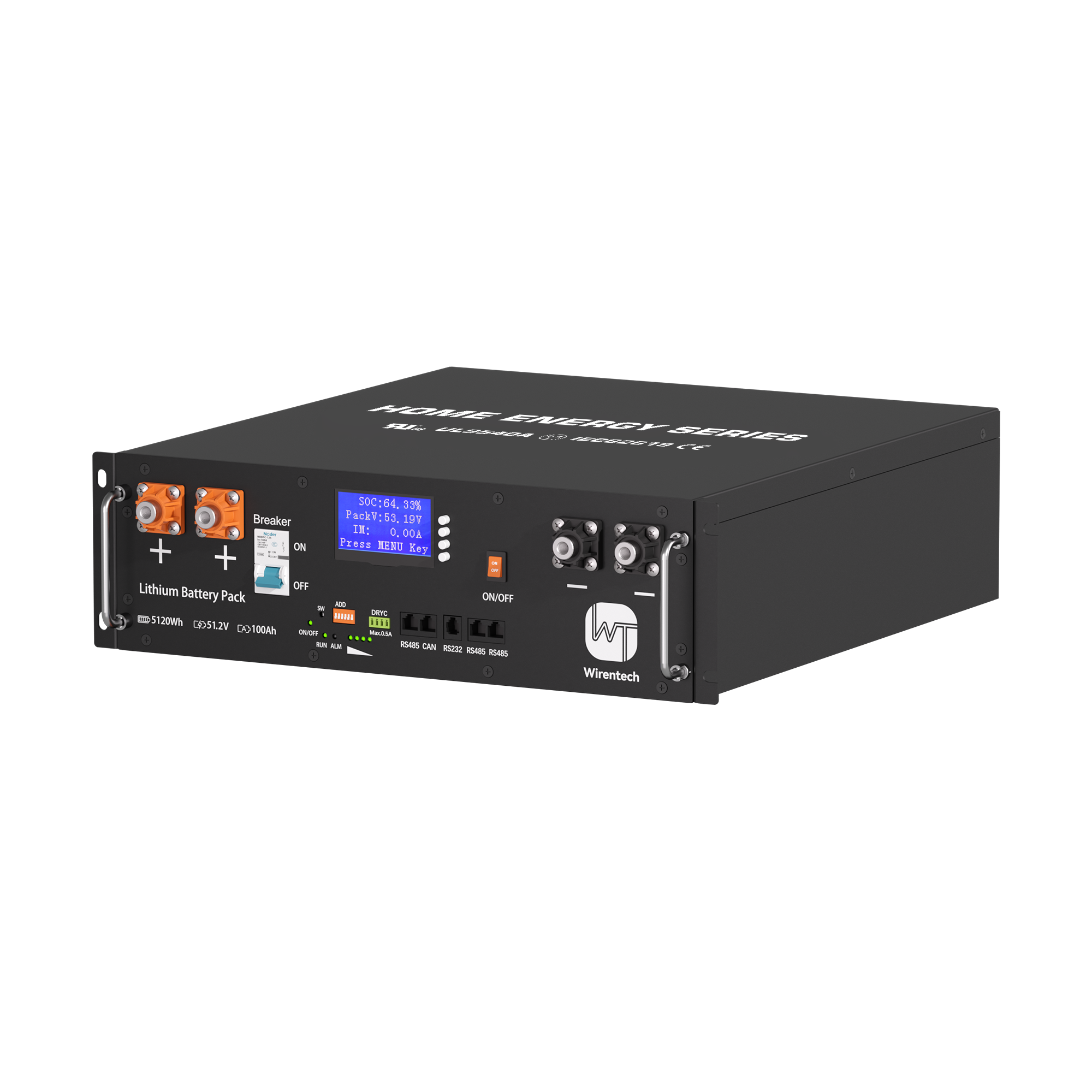
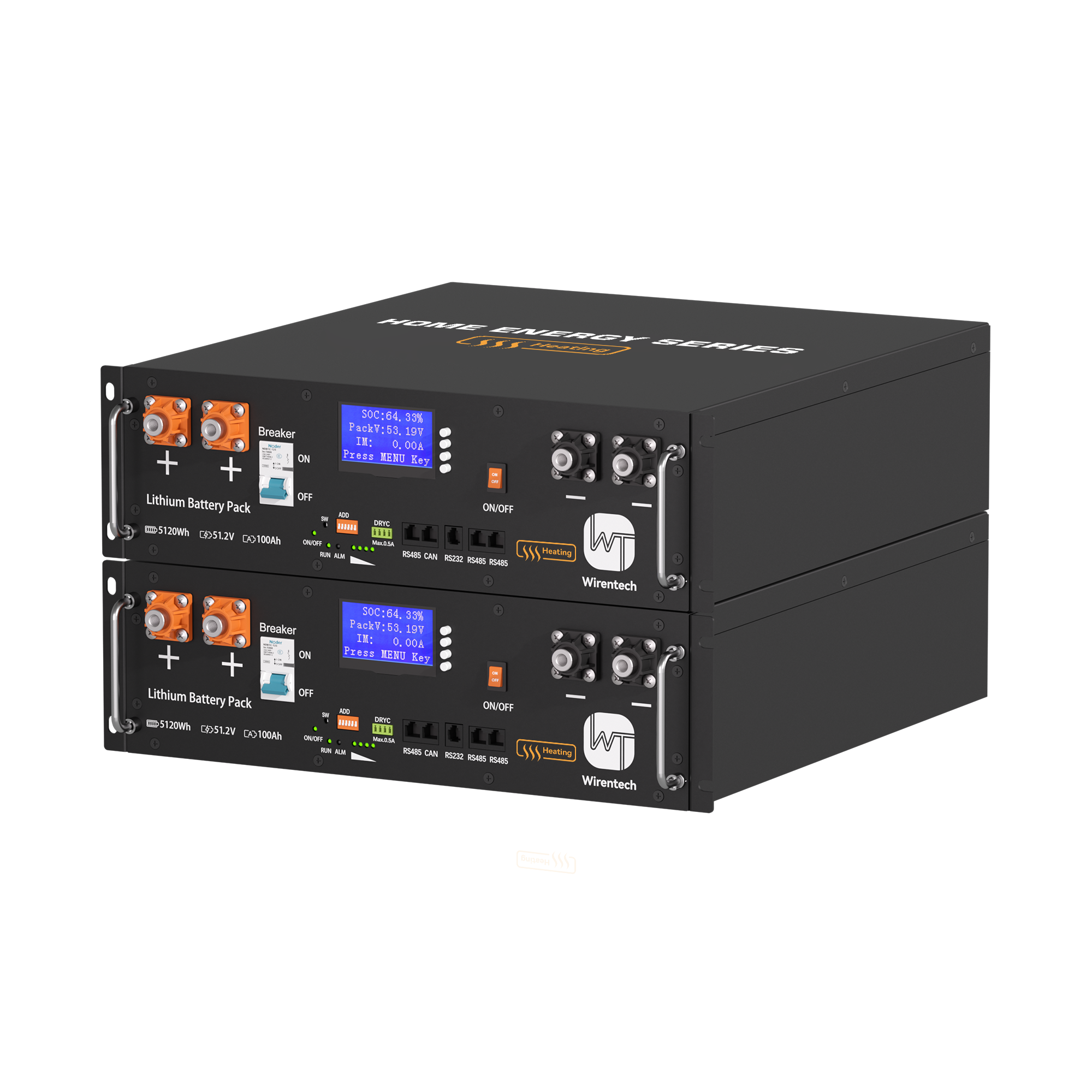
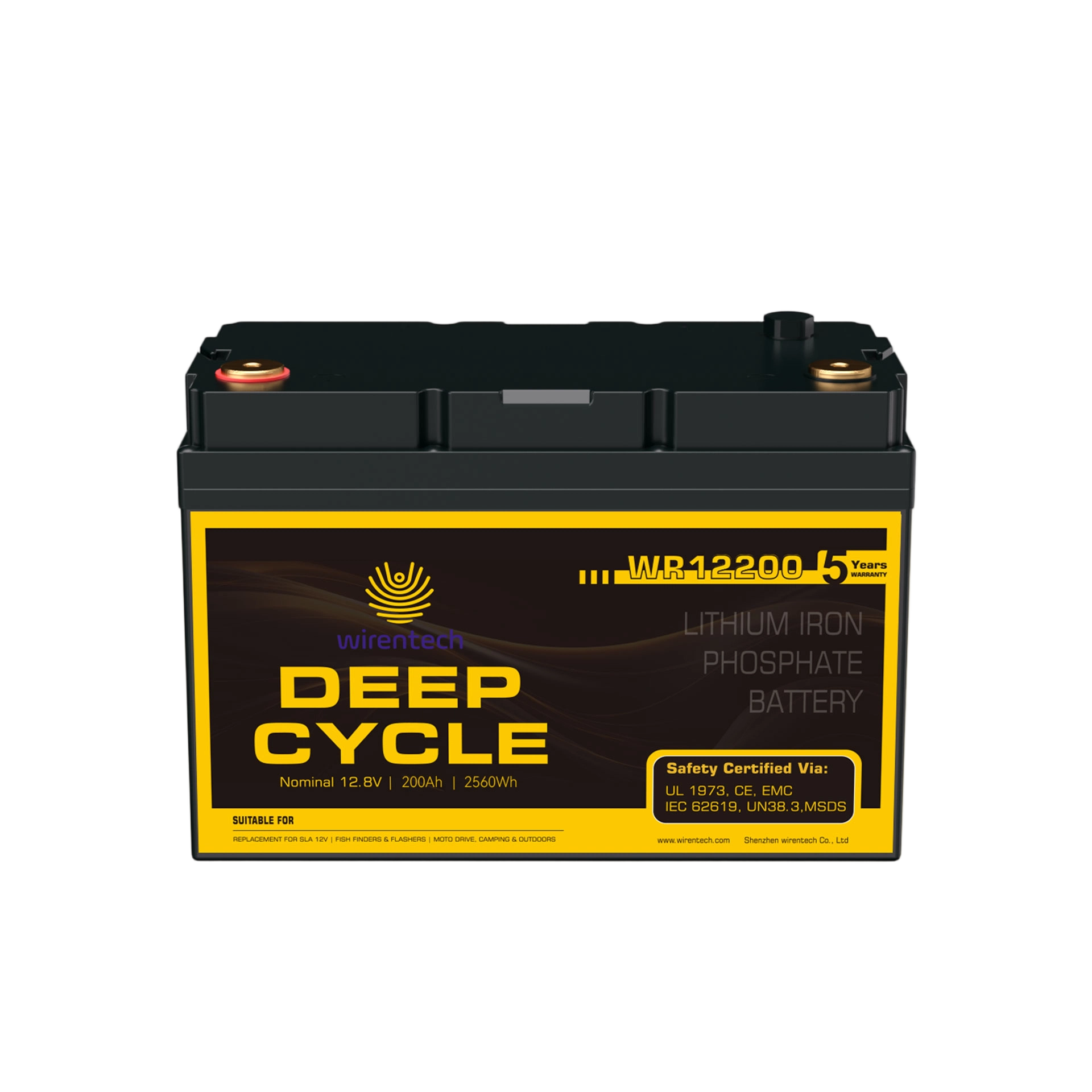
For an initial shortlist, buyers can review the 51.2V 200Ah 10kW LiFePO4 Rack Mounted Battery LFP Battery. Its rack-mounted form and voltage family make it relevant for screening. The page is a starting point, not proof of usable energy, continuous output, cycle life, compatibility, parallel count, compliance, or warranty.

Use the page to ask a sharper question: does this exact product, with current documents and firmware, satisfy the duty and interface gates already defined? Request the controlled datasheet and drawing, BMS and protocol information, model-scoped evidence, commercial terms, and validation plan. If any critical gate is unresolved, retain the product as “conditional” rather than forcing it into an approved shortlist.
The shortlist record should show the source and date for every decisive entry. If the buyer cannot trace voltage limits, current ratings, rack dimensions, communication behavior, compliance scope, or commercial terms to the exact proposed configuration, that entry remains open. A clear open item is safer than a completed scorecard built from assumptions.
A useful supplier makes assumptions visible. Score responses on requirement coverage, exception quality, model-scoped evidence, engineering ownership, protocol validation, QC traceability, change control, commissioning support, commercial clarity, and service path. Do not award points for unverifiable claims about factory size, production lines, capacity, customer results, flexible MOQ, rapid delivery, or fixed warranty.
Ask for a model-specific control plan, inspection and release records, equipment calibration, firmware control, serial traceability, nonconformance handling, and proposed substitutions process. A pilot should verify both product behavior and the supplier’s ability to reproduce records for the delivered configuration.
|
Scorecard area |
Strong response |
Hold point |
|
Technical fit |
Returns limits and exceptions against buyer inputs |
Generic brochure only |
|
Integration |
Names exact devices, firmware, protocol, and test status |
Interface name presented as compatibility |
|
Evidence |
Model and revision-scoped file register |
Documents for another model |
|
Quality |
Traceable controls and release records |
“100% QC” without records |
|
Commercial |
Current terms for named configuration and destination |
Unqualified price, MOQ, lead time, or warranty |
The pilot should use the intended inverter or controller, representative wiring and protection, planned rack layout, communications, environmental conditions, and operating sequences. Define pass criteria before testing. Capture configuration, firmware, settings, serial numbers, measurement equipment, results, exceptions, and approvals.
Test representative charging, discharge, transients, current limits, alarms, communication loss, shutdown, restart, current sharing where parallel, thermal behavior, and recharge. Installation acceptance should add polarity, torque, grounding or bonding, isolation, protection settings, cable drop, labels, and emergency procedures.
When the pilot passes, freeze a baseline: battery model, cell and BMS basis where controlled, firmware, settings, drawing, protocol, cables, protective devices, labels, packaging, documents, inspection criteria, and approved substitutions. Future changes return to impact review rather than entering production silently.
Large buying programs often need more than one approved configuration. Build a decision tree that routes sites or customers by duty rather than presenting a long catalog. The first branch can separate standby backup from daily cycling; the next can separate low-voltage rack platforms from other architectures; later branches can address energy band, current, rack depth, environmental envelope, controls, compliance market, and service model.
Each terminal branch should point to an approved configuration with a controlled evidence pack and known exceptions. If a request falls outside the tree—different inverter firmware, unusual ambient, nonstandard rack, new destination, higher transient demand, or expansion beyond the validated topology—it becomes an engineering review instead of a sales guess. This prevents one generic product choice from being applied to every operating duty.
Maintain a compact application register with customer or site identifier, approved battery configuration, inverter or controller, firmware, protocol, rack, settings, evidence date, limitations, and approver. The register helps sales, engineering, and service answer compatibility questions consistently and reveals when a software or hardware change affects several deployments.
Procurement can also use the tree to manage variants. Favor configurations that cover a real group of duties without weakening the acceptance criteria. A new variant should justify its engineering, inventory, documentation, and service burden. Standardization is valuable only when the selected baseline still passes the application gates; forcing unlike sites onto one product creates hidden integration cost.
Review the tree after pilots and field feedback. Add a branch only with controlled evidence, and retire or restrict a branch when firmware, product revision, compliance scope, or service assumptions change. This governance preserves the broad selection page as a routing tool while detailed specification pages handle narrow intents.
Use the same tree during quotation review. Require the supplier to identify which approved branch its proposal matches and to list every departure. If a proposal does not match a branch, procurement can see immediately that engineering review, new evidence, and possibly a new pilot are part of the real cost and schedule.
The tree should also distinguish “not suitable” from “not yet verified.” An architecture may clearly fail a voltage, rack, or duty gate; another may remain plausible but lack protocol evidence. These outcomes need different commercial treatment. The first is rejected, while the second stays conditional with an owner, missing document, test plan, and decision date.
No. The market term is also used for solar storage, UPS, telecom, and other stationary rack systems. Define the application and duty instead of assuming data-center suitability.
No. Verify width standard, U-height, depth, mounting, rail or shelf, mass, connectors, airflow, cable bends, doors, and service clearances on controlled drawings.
Convert each option into nominal and usable energy, current capability, rack utilization, service weight, branch count, recharge time, evidence scope, and installed cost. Ah alone is incomplete.
There is no universal answer. Compare the exact cell and module design against safety, duty, environment, power, energy, service, evidence, and lifecycle requirements. Do not infer project safety from chemistry alone.
Only within the validated model, firmware, topology, busbar, protection, addressing, and current-sharing limits. Request the approved design and test record; do not reuse a number published for another configuration.
Transport may require a model-scoped UN 38.3 test summary and other shipment documents. Installation readiness needs separate product, electrical, site, and system evidence. One file does not cover every purpose.
Compare the exact model, test conditions, depth of discharge, temperature, C-rate, end-of-life criterion, exclusions, contract terms, and claim process. Do not use an unscoped headline in a lifecycle calculation.
Include application, load and autonomy, voltage window, current, inverter or controller model and firmware, rack drawing, environment, compliance market, quantity, milestones, evidence list, pilot plan, and acceptance criteria.
The right server rack battery is the candidate that passes every critical gate with the least unresolved integration and evidence risk. The framework deliberately narrows the field: application first, architecture second, then sizing, rack fit, controls, proof, supplier, and pilot. That creates a decision trail that procurement can audit and engineers can commission.
Related News

Nov. 07, 2026
Can a Home Battery Start and Run High-Surge Household Loads?
Learn why battery kWh alone cannot prove motor-start backup. Compare inverter surge duration, running demand, simultaneous loads and a supervised backup test.
Nov. 07, 2026
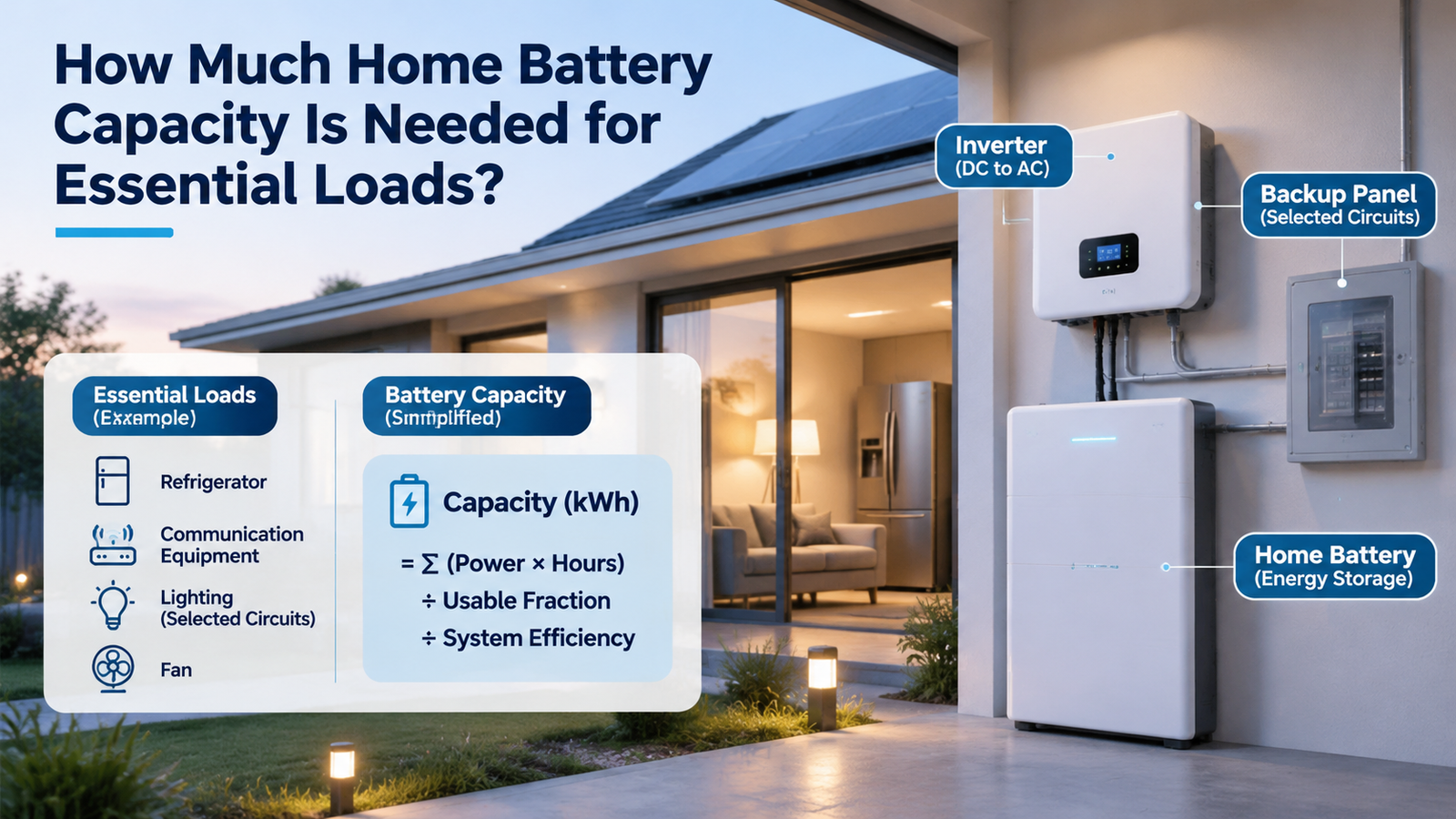
How Much Home Battery Capacity Is Needed for Essential Loads?
Calculate home battery capacity from essential-load power, duty cycle and outage hours. See a transparent kWh example and avoid double-counting losses.

Nov. 07, 2026
How Should a Home Battery Specification Sheet Be Read for Backup and Daily Use?
Compare home battery capacity, usable energy, continuous and peak output, charging limits and rating conditions before judging daily use or backup claims.
Nov. 06, 2026
Whole-Home Battery Backup or Critical-Load Backup: Which Scope Fits the Home?
Compare whole-home and critical-load battery backup by protected circuits, peak power, outage duration and load control to choose a realistic home backup scope.
Nov. 06, 2026
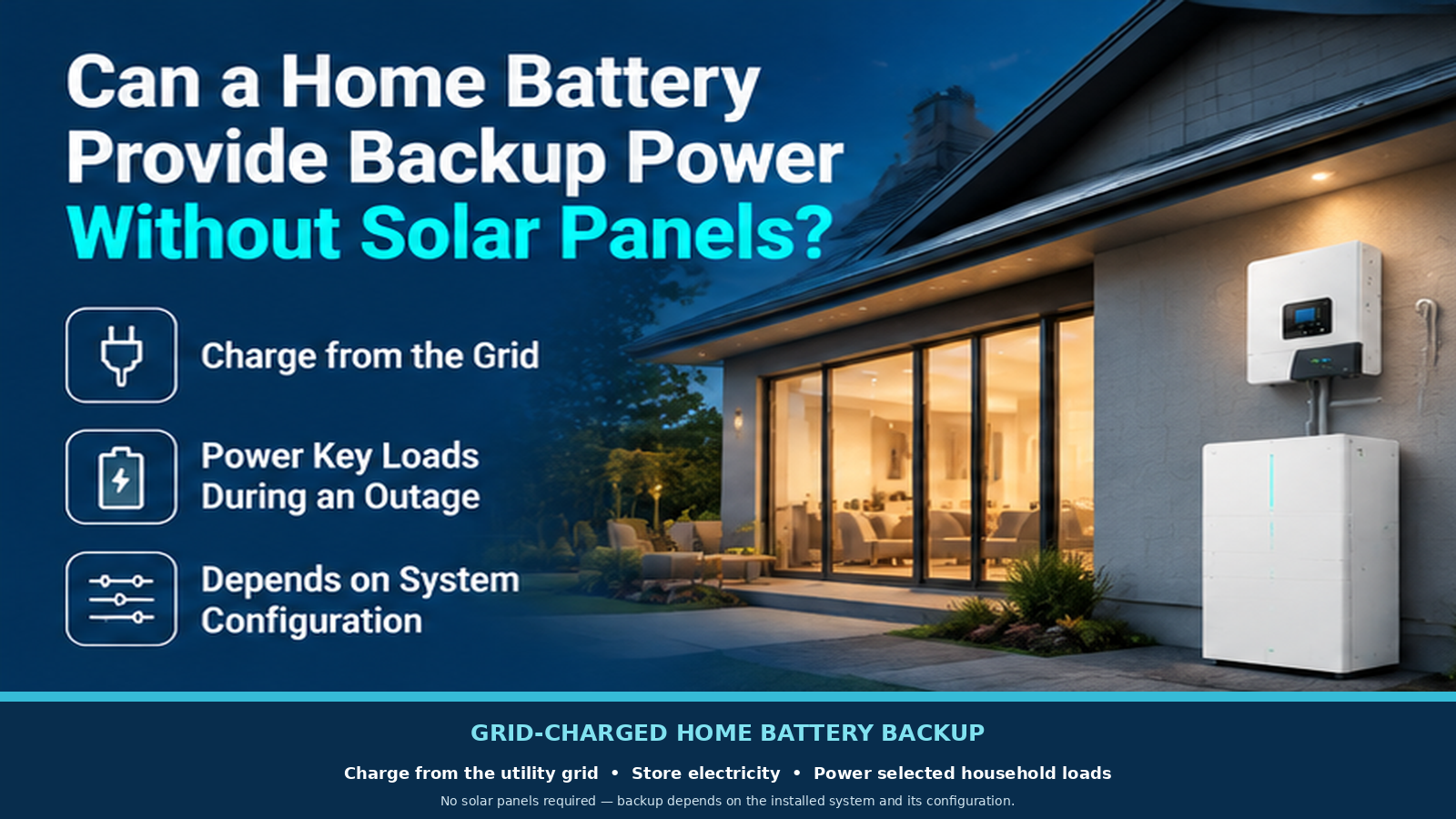
Can a Home Battery Provide Backup Power Without Solar Panels?
A home battery can provide backup without solar if grid charging, outage isolation and backup circuits are configured. Learn what limits runtime and recharge.
Nov. 06, 2026
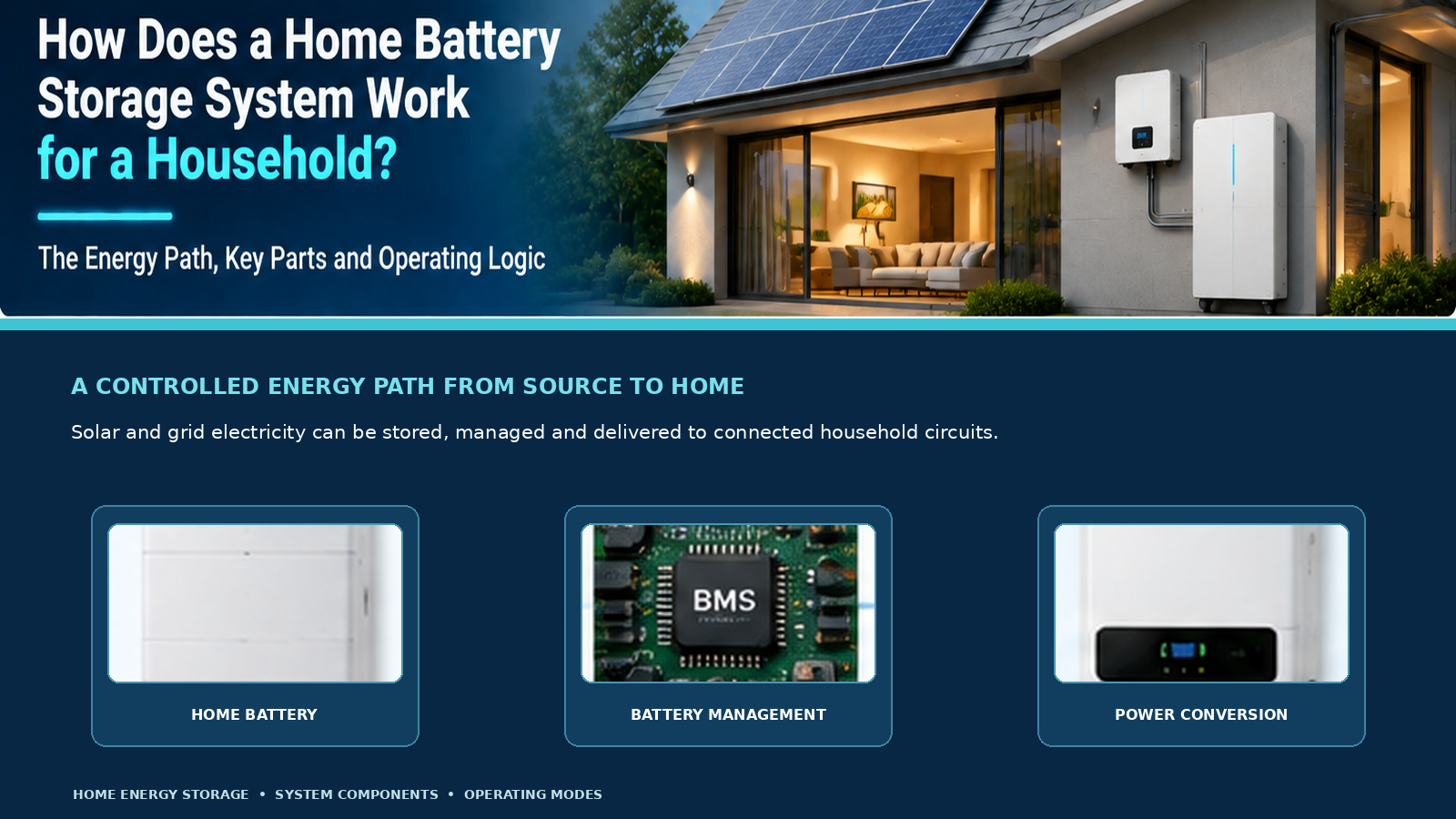
How Does a Home Battery Storage System Work for a Household?
Follow the energy path through a home battery, inverter and controls. Learn how charging, daily discharge and outage backup differ before comparing systems.

Nov. 06, 2026
How Can A Weak Battery Be Distinguished From A Weak Golf Cart Battery Bank?
Compare like-conditioned unit and bank readings to separate one weak battery from broad bank loss, charging shortfall or connection trouble.
Nov. 06, 2026
How Should A Replacement Golf Cart Battery Bank Be Planned?
Decide whether one unit or the bank needs replacement, then specify voltage, fit, connections and first-charge checks before ordering.
Nov. 06, 2026
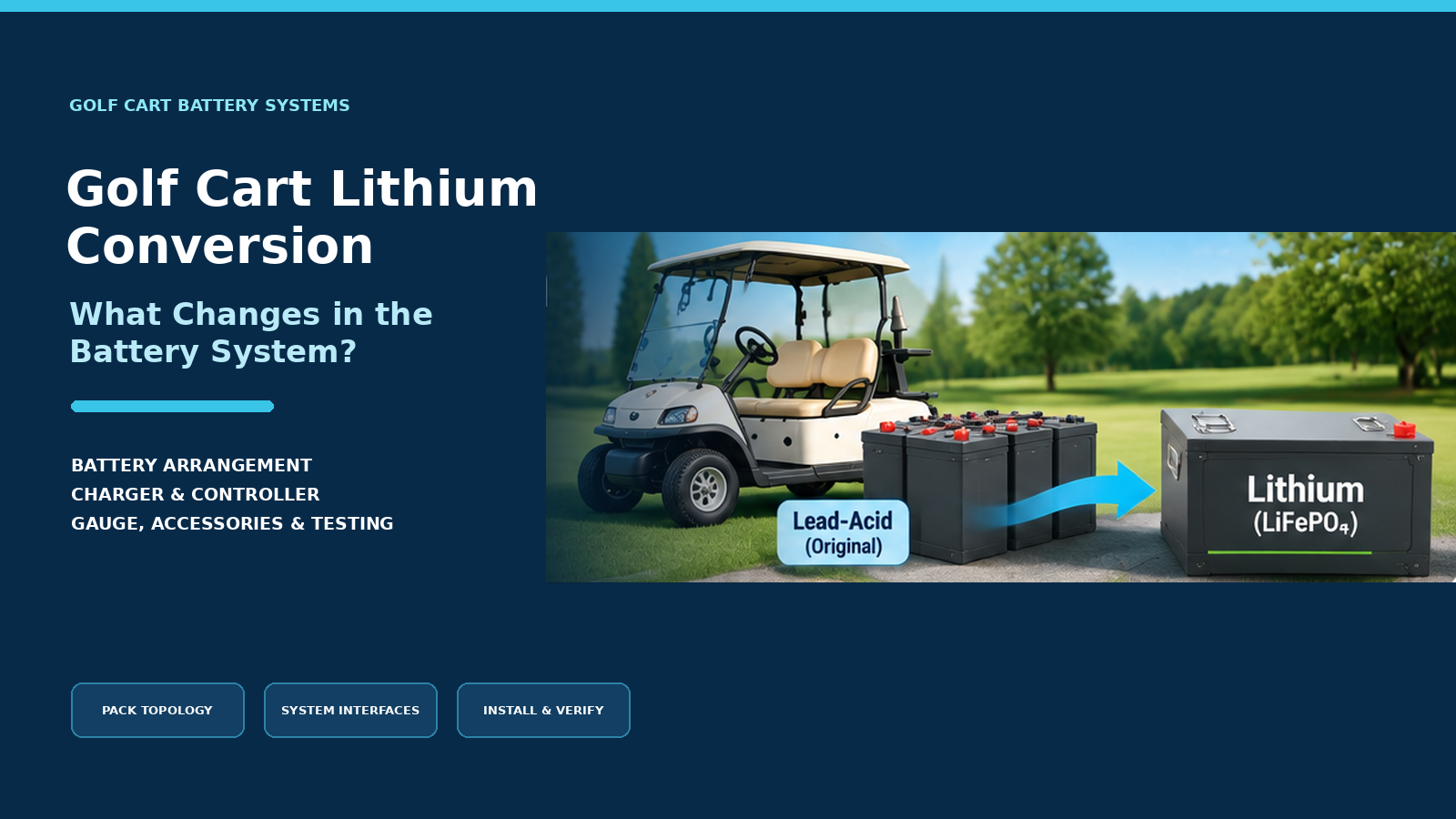
What Changes When A Golf Cart Battery Bank Is Converted To Lithium?
Map the battery bank, tray, charger, controller, gauge and accessory interfaces that change when converting a lead-acid golf cart to lithium.
Nov. 06, 2026
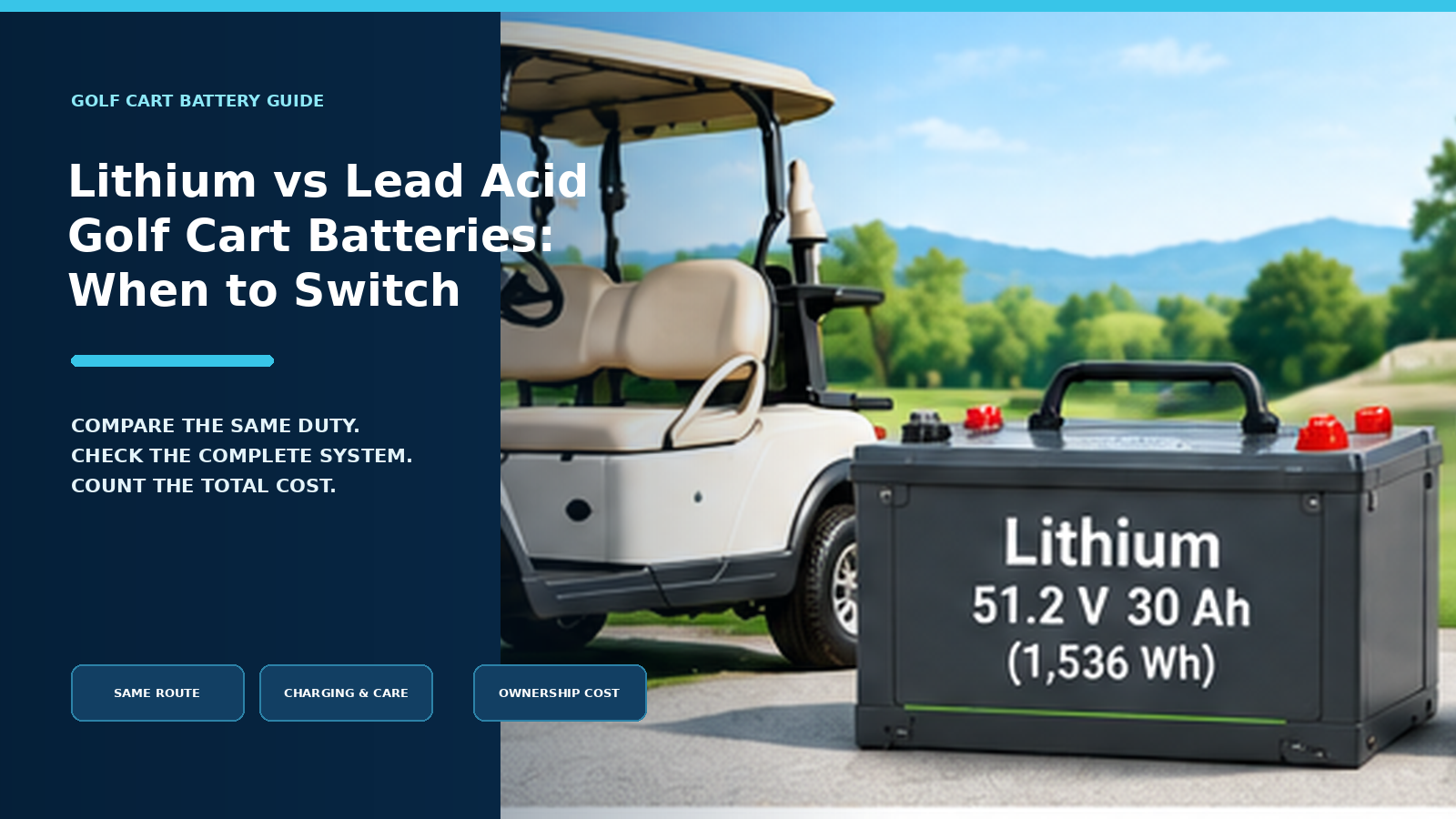
When Does Lithium Make Sense Instead Of Lead Acid For A Golf Cart?
Compare lithium and lead acid for the same golf-cart duty, charging routine, maintenance capacity and ownership horizon before deciding whether a switch is worthwhile.

Nov. 06, 2026
How Can Peak Current Demand Be Matched To A Golf Cart Battery?
Compare a golf cart’s acceleration and hill-load current by duration with battery continuous, pulse and protection ratings under matching conditions.