A rack mount UPS battery backup must be sized from the protected load profile and required runtime at end-of-discharge conditions, then checked against the UPS DC window, battery current limits, rack space, bypass strategy, communications, and acceptance test. Nominal kWh alone cannot predict runtime. For a defensible purchase, buyers should require a model-specific discharge basis, declared reserve and aging assumptions, exact UPS/battery interface data, and a witnessed test of the complete configuration.
Define the protected service before calculating runtime
List the loads that must remain powered, their normal and peak demand, startup or step-load behavior, power factor where relevant to the UPS, and the consequence of losing each load. Decide whether the objective is graceful shutdown, ride-through to generator start, continuity through a utility event, or a fixed autonomy period. Those are different services and can lead to different architectures.
Measure or obtain a credible load profile instead of adding every equipment nameplate. At the same time, do not size from an average that hides simultaneous peaks. Divide loads into always-on, sequenced, and shed-able groups, then document the switching logic. The runtime requirement should identify the initial condition, ambient temperature, permitted endpoint, and recovery expectation after the event.

Calculate energy without confusing kW and kWh
kW describes the rate at which power is delivered; kWh describes energy over time. A preliminary AC energy requirement equals load power multiplied by runtime. The battery-side requirement must also account for UPS conversion loss, DC auxiliaries, an agreed operating reserve, and any derating supported by applicable data. Keep every assumption visible.
|
Runtime input
|
Unit
|
Decision role
|
|
Protected load
|
kW
|
Sets continuous power requirement
|
|
Required autonomy
|
hours or minutes
|
Converts power into energy
|
|
Conversion and auxiliary allowance
|
dimensionless or kWh
|
Bridges AC service and DC demand
|
|
Reserved margin
|
% or kWh
|
Supports the project’s operating policy
|
|
Battery endpoint
|
V or SOC definition
|
Establishes when runtime is considered complete
|
Do not call nominal energy “usable energy” unless the exact battery documentation defines the operating window and conditions. Do not apply cycle-life, temperature, or aging factors from another model. If the buyer needs guaranteed runtime after a defined service period, that requirement belongs in the contract and acceptance method, not in an informal spreadsheet assumption.
Check instantaneous DC current and load steps
Runtime may be an energy question, but the battery must also supply power. At a given power, current rises as voltage falls. Check the worst credible low-voltage point, conversion efficiency, simultaneous load steps, and any short overload. Battery, BMS, connectors, busbars, cables, protection, isolation devices, and UPS input must all support the same duty.
Obtain time-based discharge limits rather than a single “peak” number. A limit for seconds cannot be treated as continuous. Confirm which device acts first during an overload, how the UPS reports the event, whether loads are shed, and how the system recovers. A design that meets the kWh calculation but trips on a load step does not provide the promised backup service.
Match the battery to the UPS DC interface
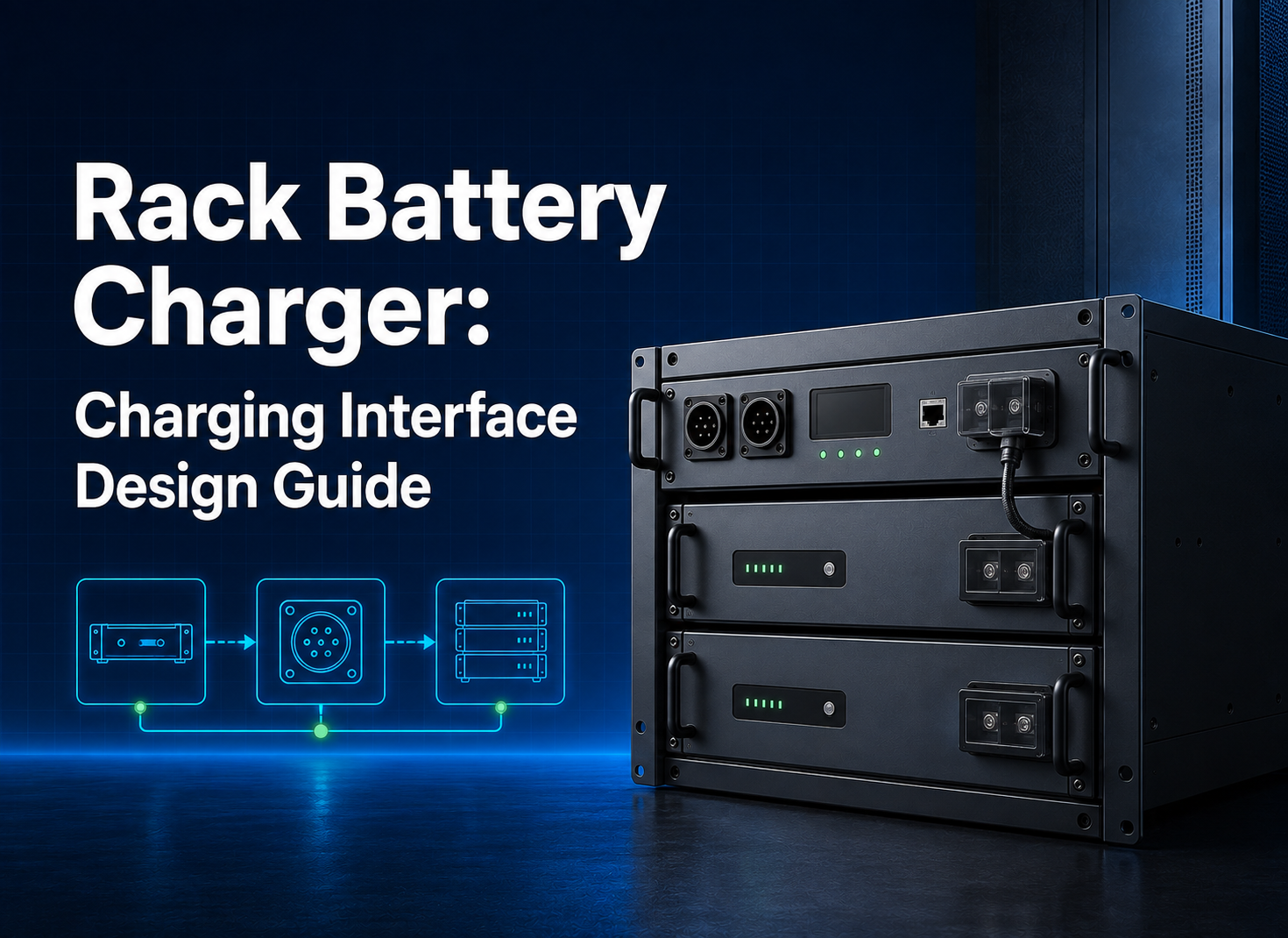
Record the UPS make, model, hardware revision, firmware, DC input window, charger settings, low-voltage behavior, communication requirements, external-battery rules, and approved protection scheme. A nominal voltage match or the presence of CAN/RS485 is not compatibility evidence. The interface must be reviewed for the exact combination.
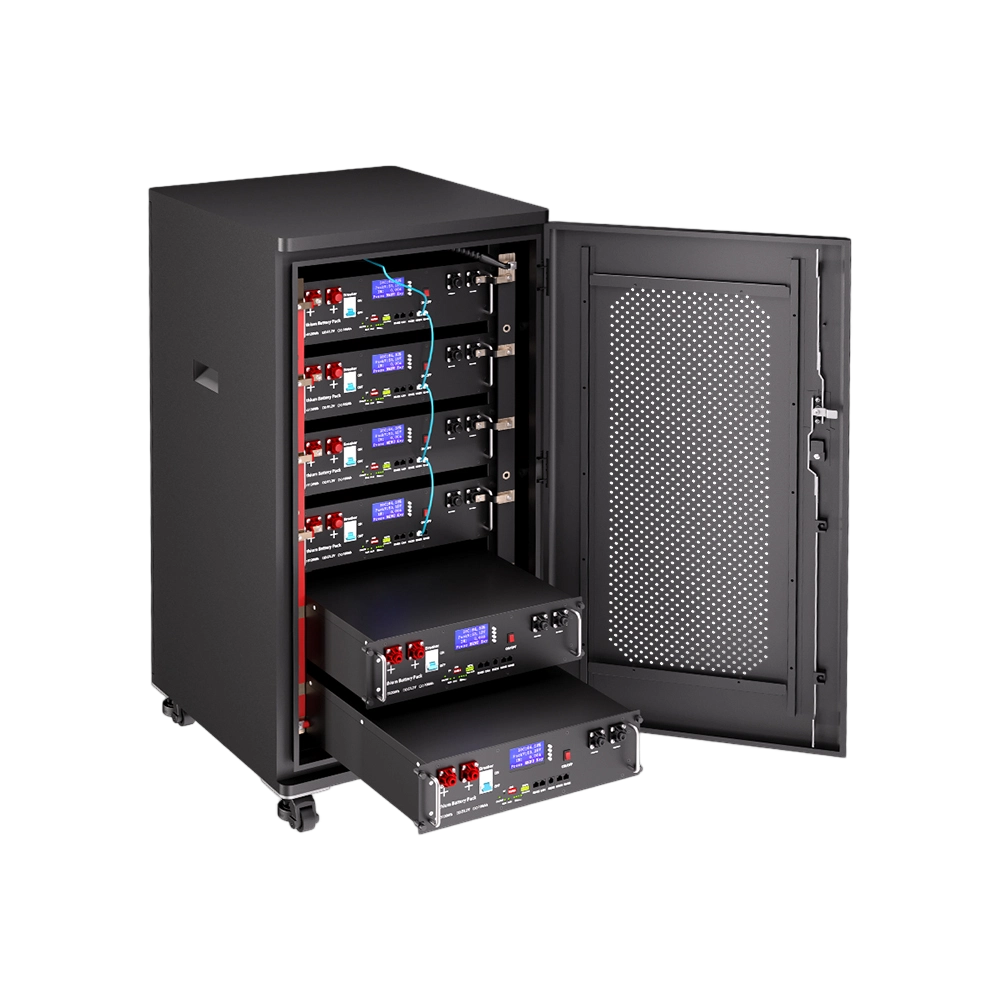
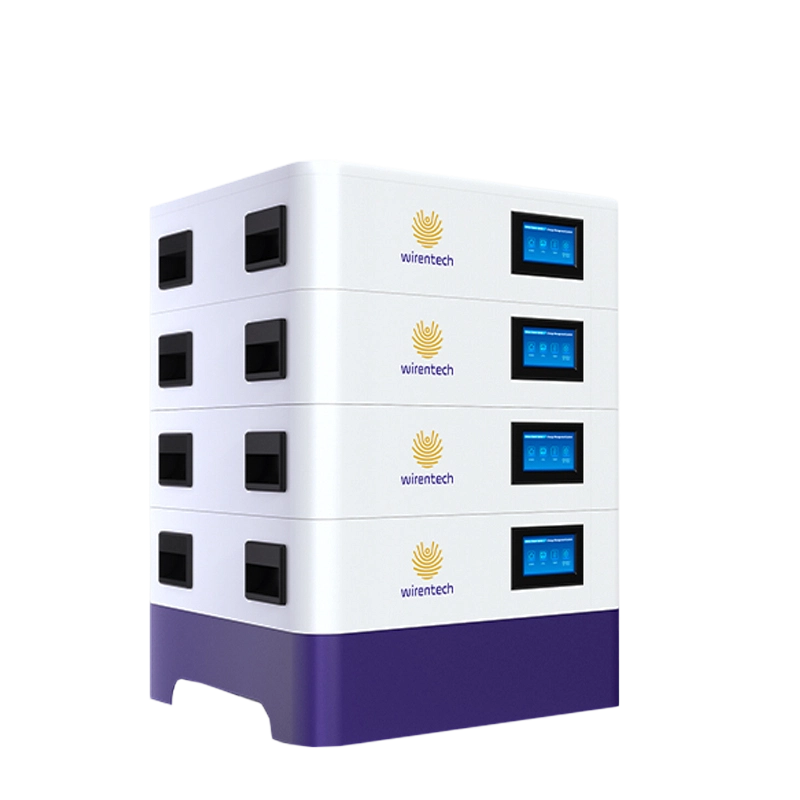
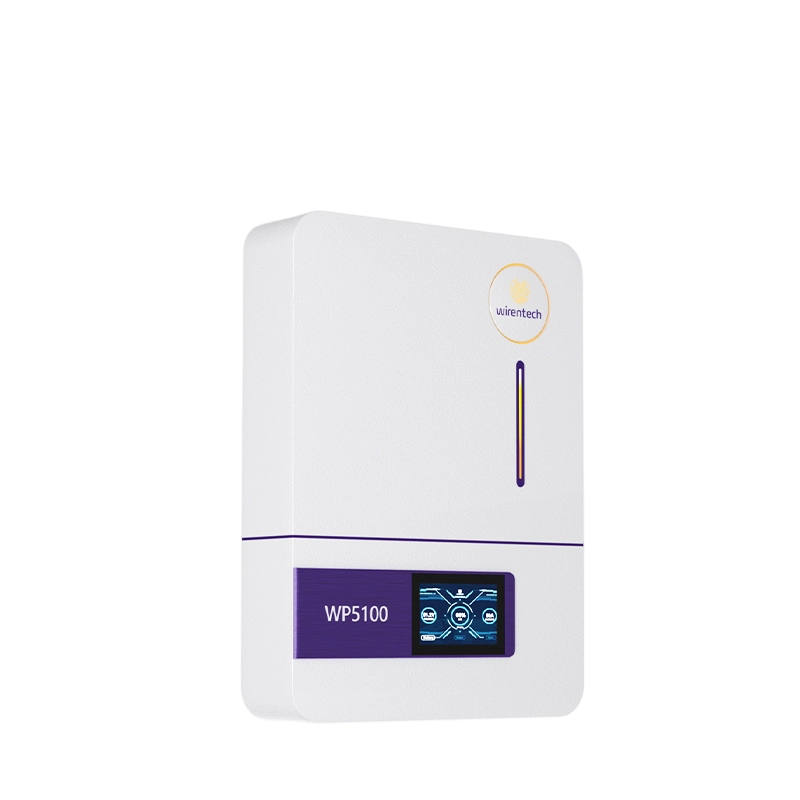
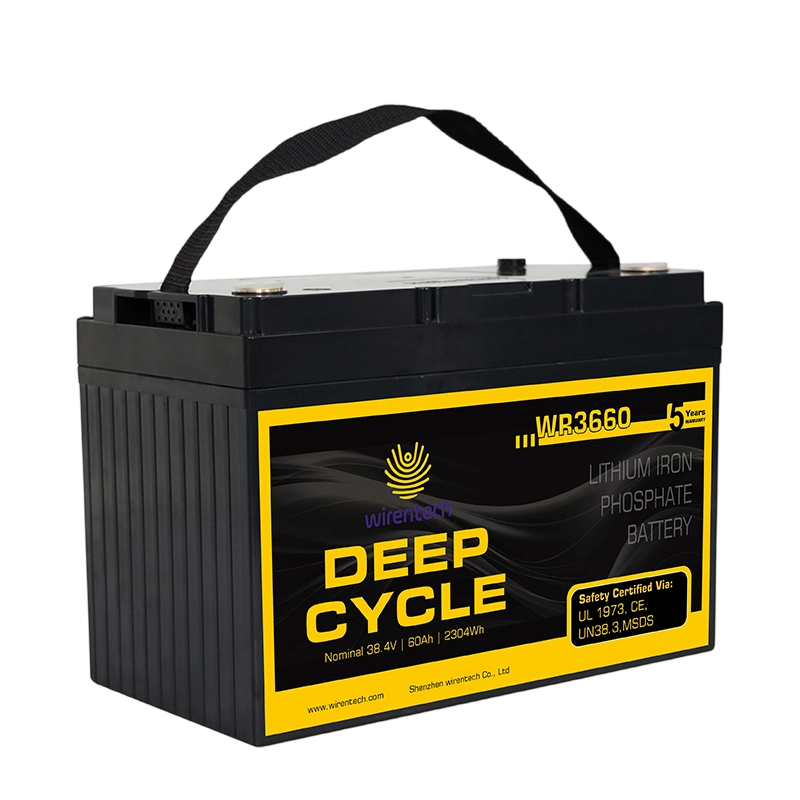
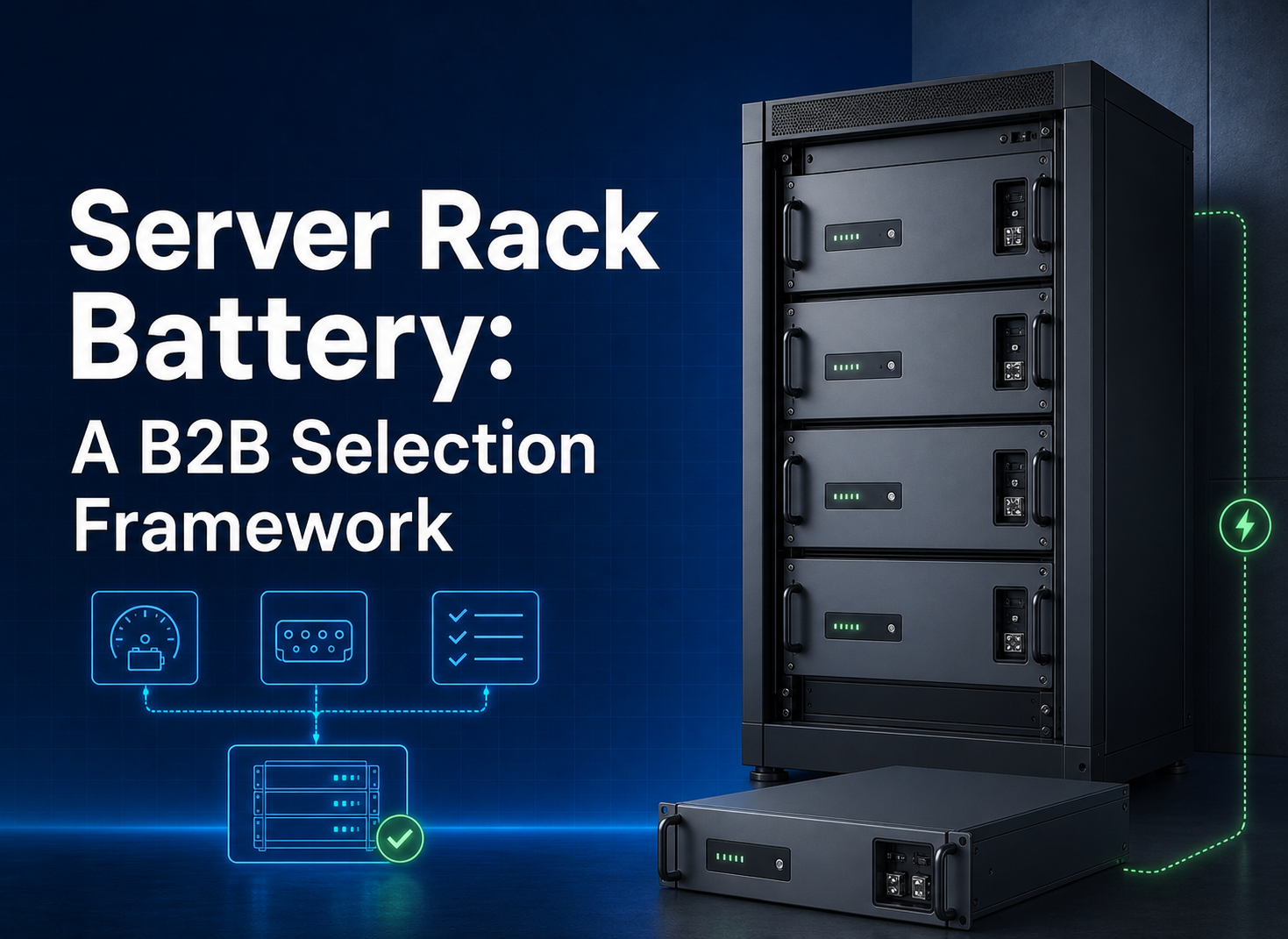
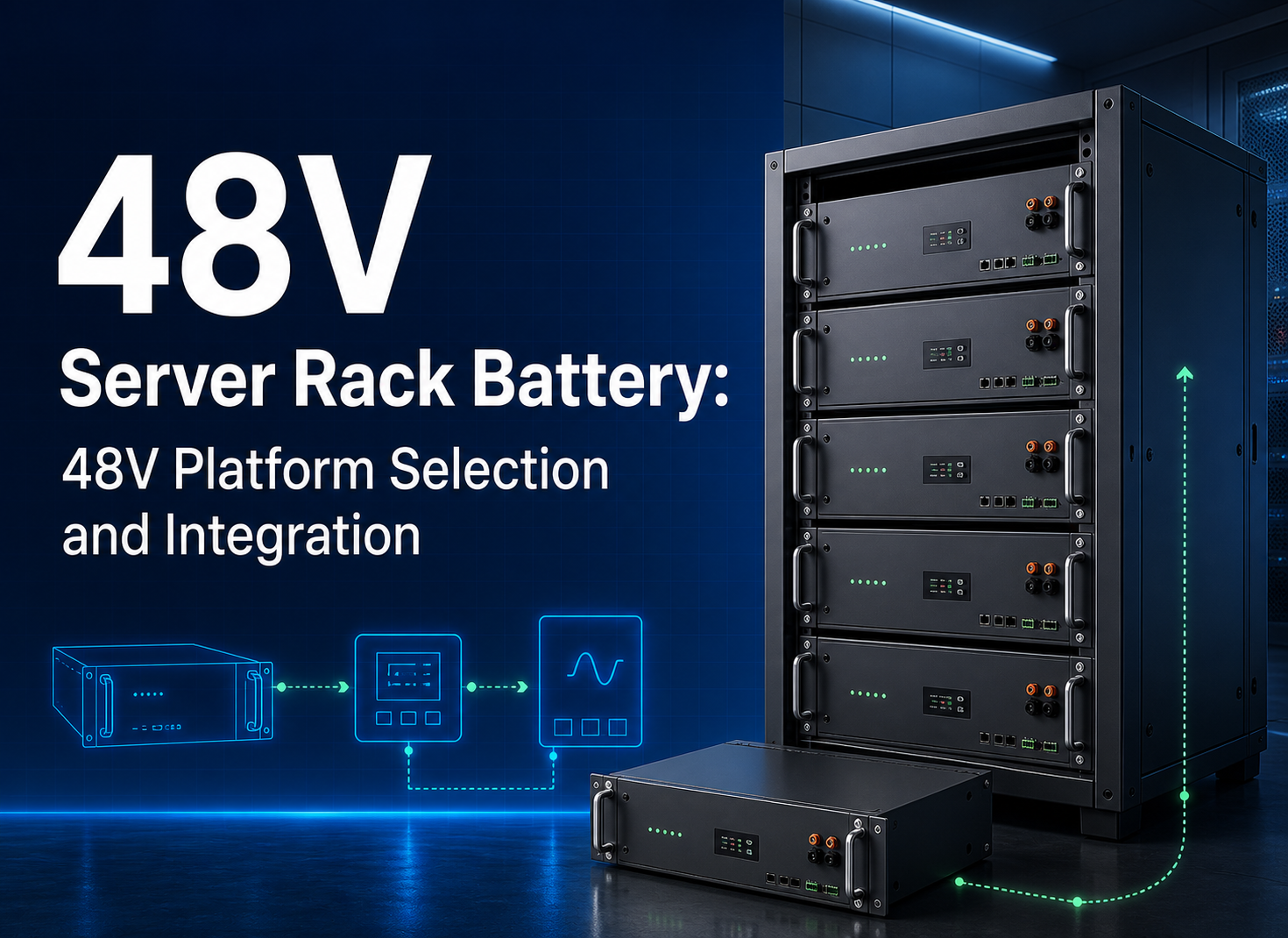
For initial product screening, buyers may review the 51.2V 200Ah 10kW LiFePO4 Rack Mounted Battery LFP Battery and the separate 1kWh 2kWh 5kWh Uninterruptible Power Supply Battery. These are exact product-page names used for navigation; they do not establish runtime, UPS compatibility, continuous output, parallel quantity, certifications, warranty, or price for a project. Obtain current exact-model files before releasing either option.
|
Interface item
|
UPS-side question
|
Battery-side question
|
|
Voltage window
|
What DC range supports start, run, charge, and shutdown?
|
What operating and protection limits apply?
|
|
Charging
|
What charge profile and current can the UPS provide?
|
What settings and temperature limits are permitted?
|
|
Communications
|
Which protocol, pinout, and messages are implemented?
|
Which hardware/firmware combination supports them?
|
|
Fault response
|
What happens on low DC, BMS stop, or link loss?
|
How are limits, alarms, and recovery communicated?
|
Fit energy storage into the rack and room
Confirm rack width, usable depth, rail or shelf arrangement, module height, mass, center of gravity, cable-bend space, front/rear service access, and the safe removal method. A rack-unit count does not prove mechanical fit. Verify support and restraint, floor loading, anchorage where required, and the delivery route to the final room.
Thermal design must cover UPS and battery losses, airflow direction, inlet conditions, recirculation, doors, filters, partially populated racks, and failure of cooling. Ask for model-specific heat information where needed. Room air-conditioning capacity alone does not show that every module receives acceptable inlet air.

Design maintenance bypass and failure isolation
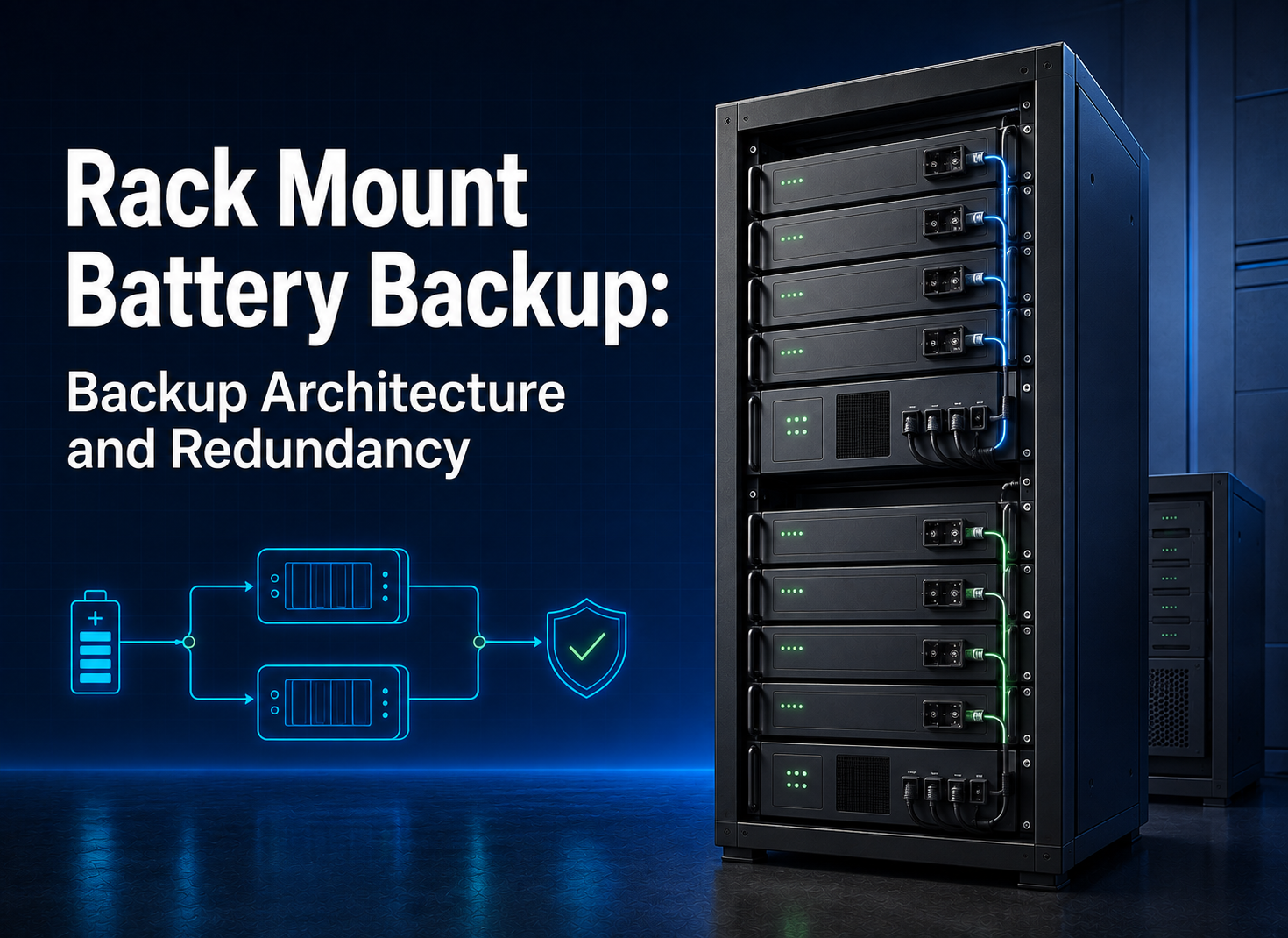
A UPS system needs an operational plan for maintenance. Define internal or external bypass, source isolation, battery-string isolation, branch protection, and whether one battery module can be removed without losing the entire protected service. State which switching operations are permitted under load and who is authorized to perform them.
Redundancy claims should be expressed as an architecture, not a product adjective. Identify single points of failure across the UPS, batteries, bus, controls, cooling, and upstream/downstream distribution. If N+1 is required, define “N” at the design duty and show that the remaining equipment can carry the service after one planned or unplanned loss.
Commission against a runtime acceptance script
Before the test, verify models, revisions, settings, polarity, protection, isolation, communications, alarms, and initial battery condition. The runtime test should use an agreed load or load bank, declared starting state, stable environmental conditions, synchronized measurements, and a defined endpoint. Record UPS output, DC voltage/current, alarms, time, temperatures where required, and the reason for termination.
|
Test phase
|
Evidence captured
|
Typical release question
|
|
Baseline
|
Configuration, firmware, settings, initial condition
|
Is this the contracted build?
|
|
Load step
|
UPS response, DC current, alarms
|
Does the system ride through the hardest transition?
|
|
Autonomy run
|
Power, time, endpoint, event log
|
Is the required service delivered under stated conditions?
|
|
Recharge
|
Charge behavior, time basis, temperatures
|
Can the system recover for the next duty?
|
|
Failure exercise
|
Link loss, module isolation, bypass
|
Are fault and maintenance states controlled?
|
Retest rules should cover firmware changes, UPS replacement, battery substitution, added loads, changed runtime, topology changes, and protection revisions. A successful test for one configuration is not a permanent portfolio-wide result.
Compare offers on delivered backup service
Normalize quotations around the same load, runtime, environmental assumptions, rack scope, UPS boundary, batteries, protection, cabling, communications, bypass, testing, documentation, spares, logistics, installation support, and service response. Price without the boundary is not comparable. Ask every bidder to list exclusions and deviations beside the relevant requirement.
Commercial terms such as MOQ, lead time, warranty, and price must be confirmed for the exact model, quantity, destination, and scope. Do not infer them from product names or general pages. Response quality is itself useful: a supplier that returns controlled drawings, explicit assumptions, and testable deviations reduces integration work.

UPS runtime questions buyers should ask
How many kWh are needed for a 30-minute UPS runtime?
Multiply the measured or agreed load in kW by 0.5 hours for a preliminary AC energy figure, then add only documented conversion, auxiliary, reserve, and derating assumptions. Final sizing requires the UPS and exact battery discharge data.
Is a rack battery with the same nominal voltage automatically compatible?
No. Compatibility depends on the full DC operating window, charge settings, current limits, protection, connectors, communications, firmware, and tested fault behavior.
What is the difference between UPS power and battery energy?
UPS power determines how much load can be supported at a moment; battery energy influences how long that load can be supported. Both must meet the same duty, including low-voltage current and load steps.
Should runtime be tested with real loads or a load bank?
Use a controlled method agreed by the project. A load bank improves repeatability; representative real loads can reveal interaction. The test plan should define load shape, measurements, endpoint, tolerances, and safety controls.

Can batteries be added later to extend runtime?
Only within the exact product and system’s validated expansion rules. Review rack space, bus and branch protection, current sharing, age/state mixing, BMS topology, UPS settings, communications, and retesting before promising expansion.
Which records belong in the handover pack?
Include as-built one-lines, rack layouts, cable/protection schedules, exact models and serials, firmware and settings, interface files, commissioning and runtime results, alarm guidance, bypass procedure, service contacts, and change-control rules.
Runtime is the acceptance result, not the catalog claim
The correct rack mount UPS battery backup is the configuration that supplies the defined loads for the required time, survives the critical load step, fits the UPS and rack interfaces, and can be maintained without uncontrolled risk. Its limitation is equally clear: runtime remains conditional on load, starting state, temperature, endpoint, battery condition, and system settings.
For an actionable UPS review, send the load profile, required autonomy, UPS make/model/firmware, DC window, rack dimensions, environment, bypass requirement, communication protocol, destination market, quantity, and acceptance method. Ask Wirentech to return exact product documents and a written compatibility/test plan for the shortlisted configuration.