

Nov. 07, 2026
A home battery specification sheet is useful only when each number is tied to the point where it is measured and the condition under which it applies. A headline kilowatt-hour figure describes stored energy, while an output rating describes how quickly energy can be delivered. Neither figure alone establishes how long a household load will run, whether a motor will start, or whether the system can supply power during a grid outage. For a meaningful comparison, read battery energy, inverter output, charging capability, operating limits, and the equipment needed for the intended mode as a connected set.
The useful comparison is whether ratings cover the intended loads and mode, beginning with the distinction between a battery module and a complete AC system.
Energy capacity, reported in kilowatt-hours (kWh), describes an amount of electricity available across a period. Output power, reported in kilowatts (kW) or sometimes kilovolt-amperes (kVA), describes a rate at a particular moment. A product can have substantial stored energy yet a modest output limit, or a high output rate that would consume its usable energy quickly. Treat the two ratings as separate axes. The U.S. Department of Energy's storage basics makes the same distinction between energy capacity and power capacity.
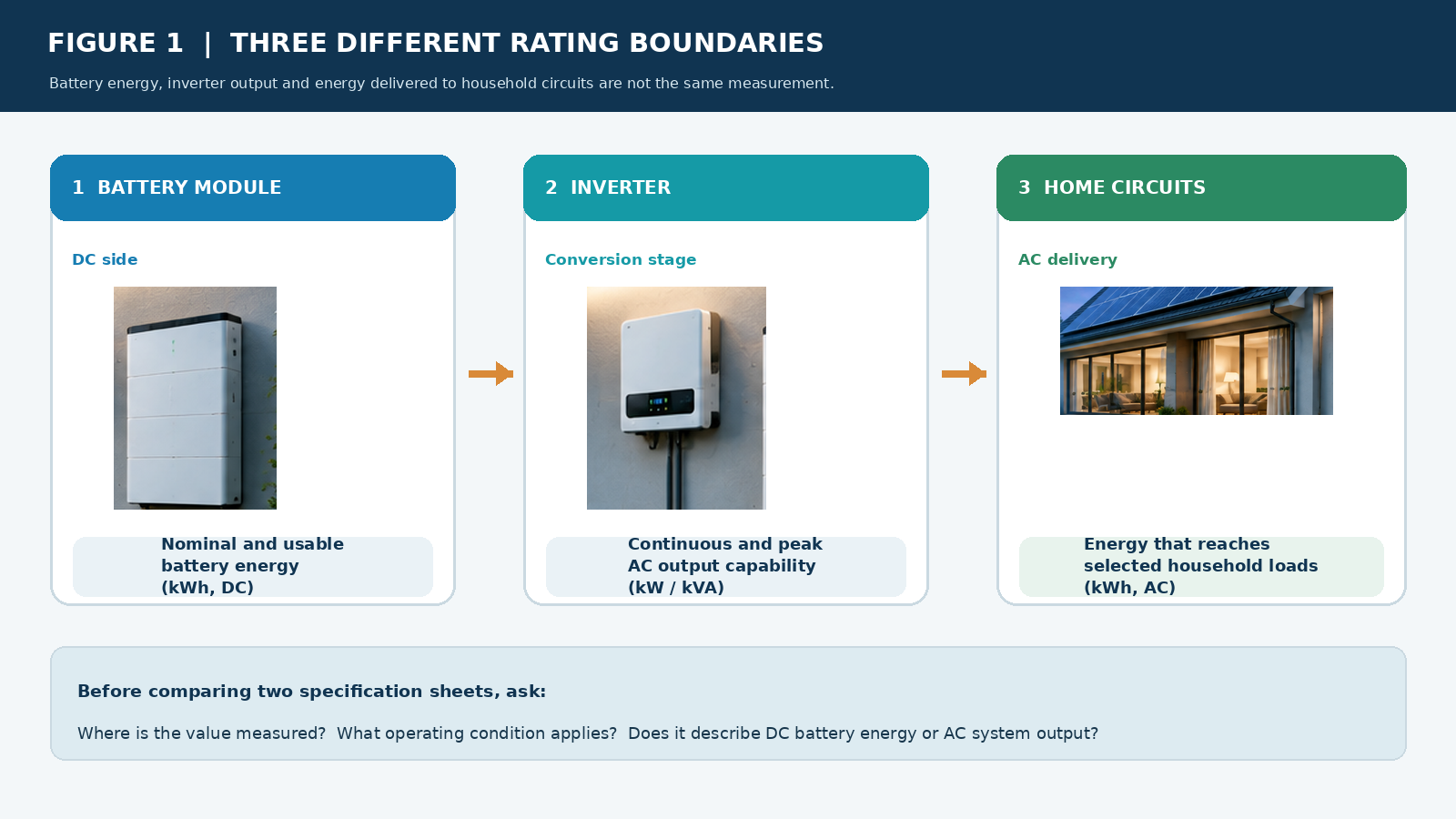
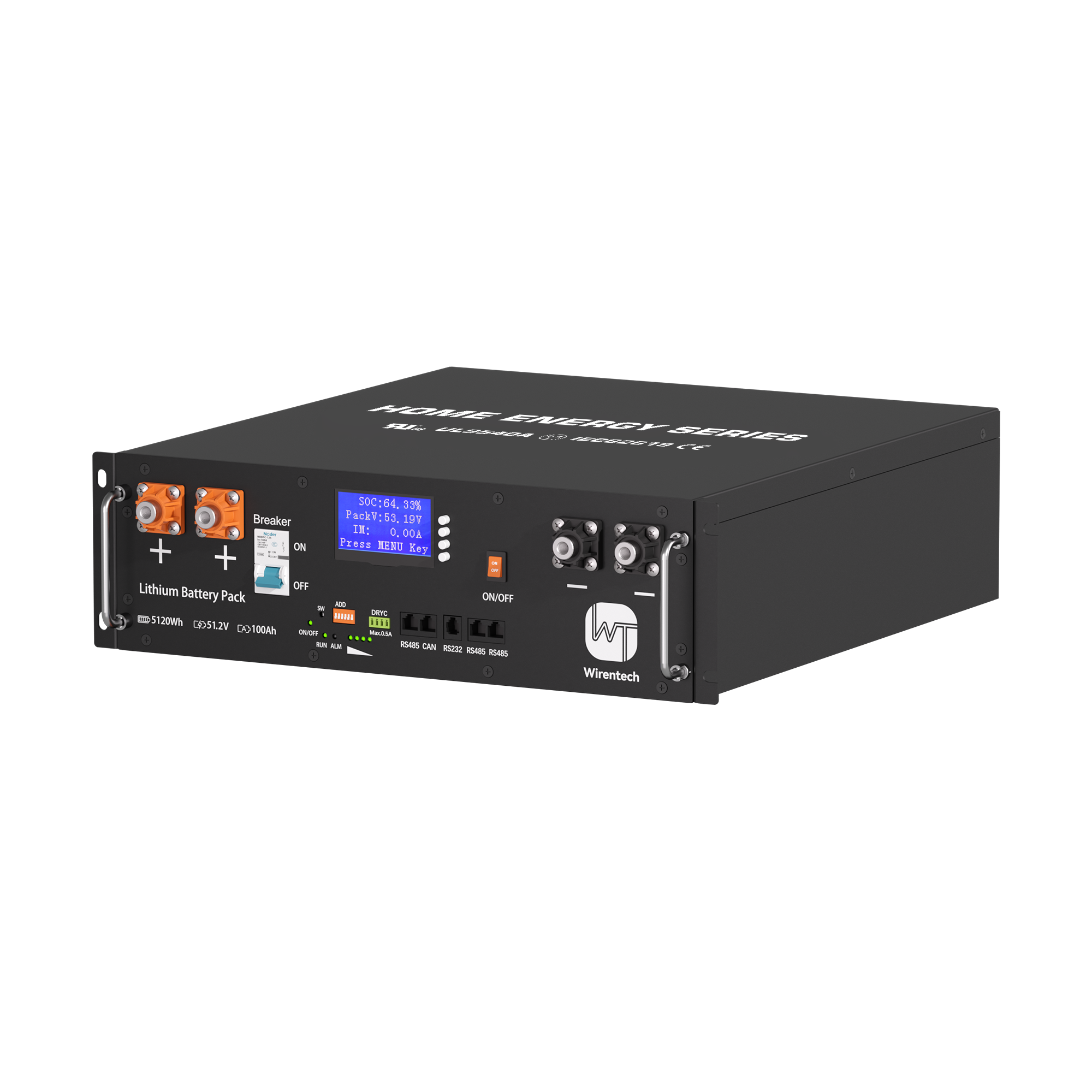
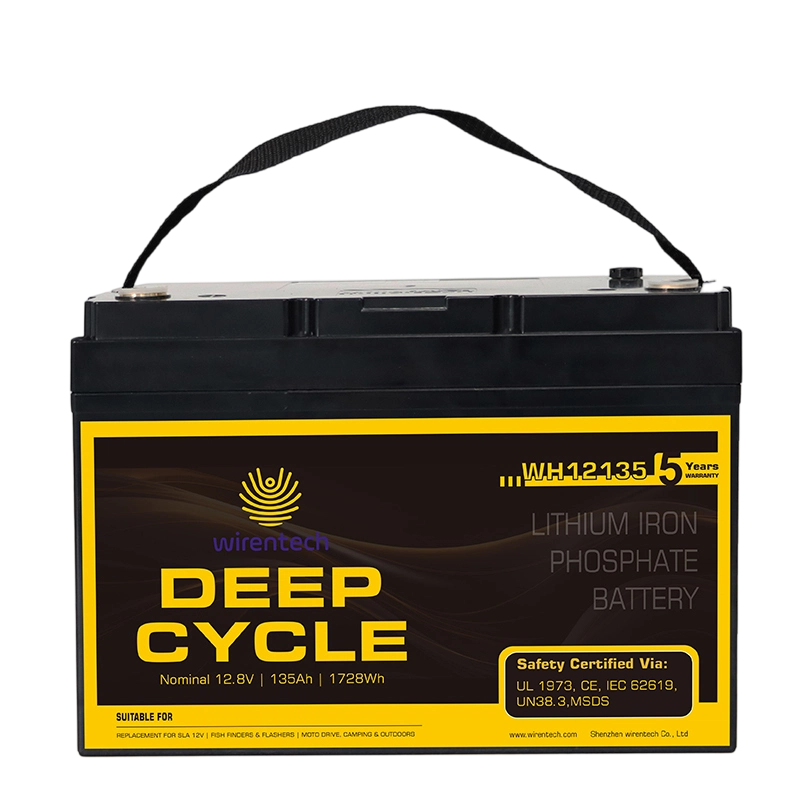
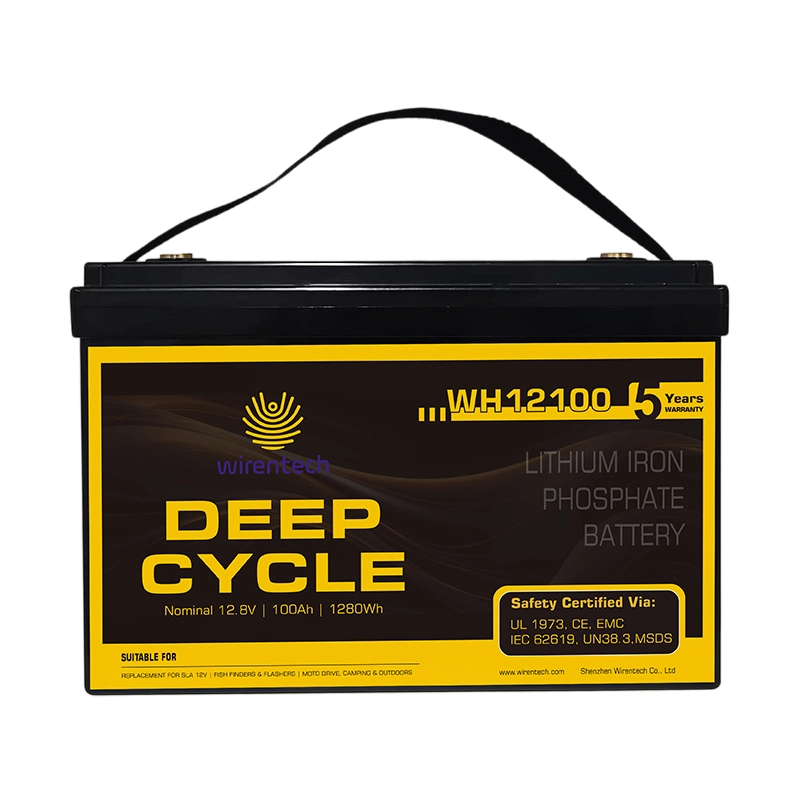
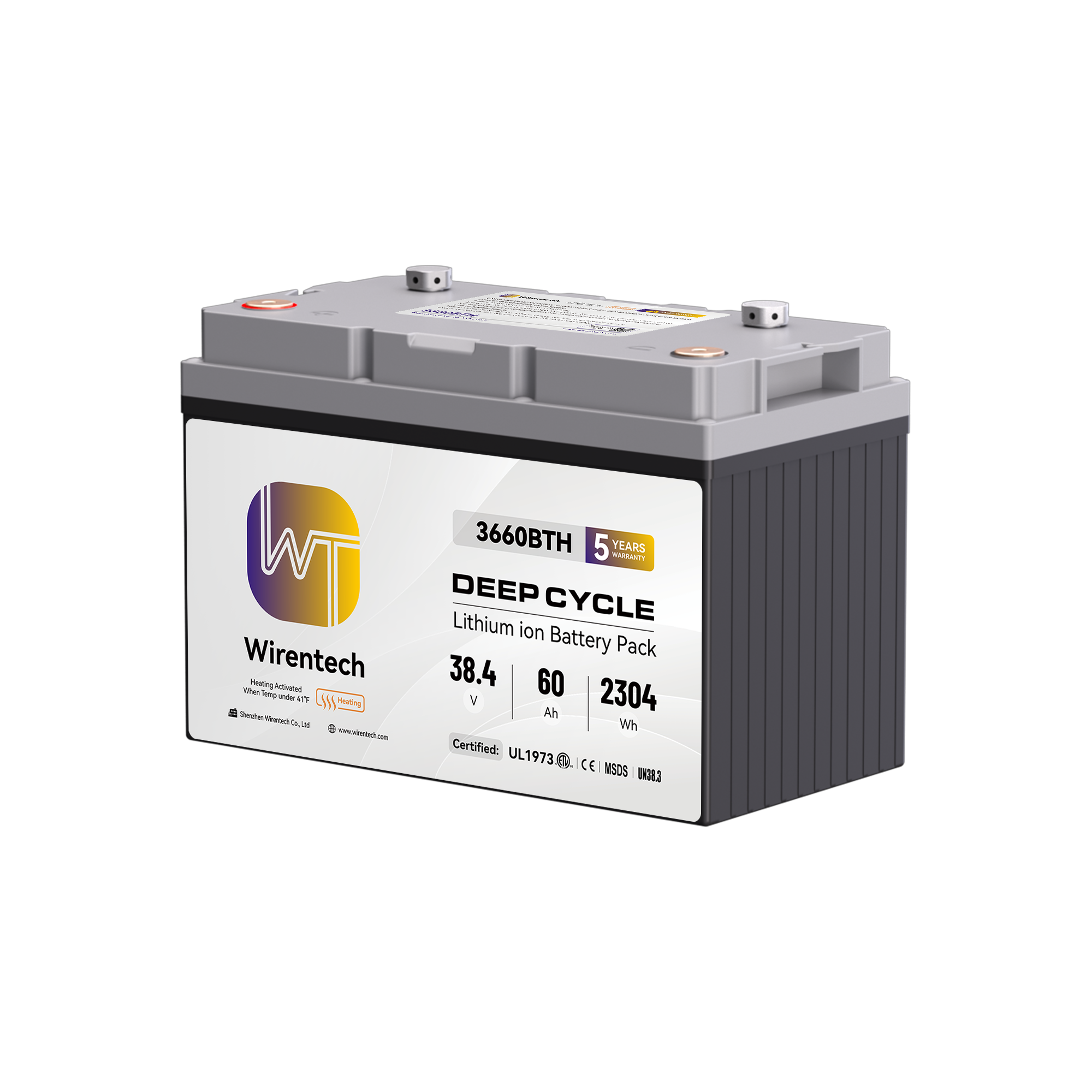
A battery module sheet may give nominal voltage and ampere-hours (Ah). Their product is a useful nominal DC energy estimate: 51.2 volts multiplied by 100 ampere-hours equals 5,120 watt-hours, or 5.12 kWh. That arithmetic does not establish usable AC energy. A pack's permitted discharge range, electronics consumption, conversion losses, power level and conditions can affect what reaches an AC load. The 51.2 V 100 Ah rack battery listing is an example of a DC battery module page. Its listed voltage and ampere-hour values should not be read as an installed inverter rating or a household backup duration.
Capacity language needs particular care. “Nominal,” “total,” “rated,” and “usable” may refer to different quantities. Nominal capacity often describes the energy represented by the battery's rated voltage and charge capacity under specified conditions. Usable capacity is the portion a product makes available within its operating limits. Some manufacturers express usable energy at the battery DC terminals; others quote an AC energy figure for an integrated product. The Australian Government's YourHome guide explicitly distinguishes nominal from usable capacity and explains that permitted depth of discharge affects the usable amount. If two sheets say “5 kWh,” identify whether both describe the same boundary before treating them as equal.
The power number also needs its location. A battery-module DC discharge rating is constrained by the cell pack and its battery management system. An inverter AC output rating describes what the power electronics can provide at their specified AC terminals. The system's usable household output may have an additional limit from wiring, transfer equipment, control settings or the selected backup circuits. For ordinary use, one rated component may be the bottleneck. It is therefore possible to choose a battery with adequate stored energy but an inverter that cannot run the intended simultaneous loads. The reverse is possible as well: strong inverter output does not provide a long run time if little usable energy is available.
Compare continuous output for loads expected to run together, and treat peak or surge output as a short-duration capability with an explicit time limit. Continuous power is the rate the specified device can sustain under the listed conditions. Peak power may apply only for seconds and may be expressed as kW, kVA, amperes or a motor-start measure. These are not interchangeable without voltage, power factor and duration information. Manufacturer data sheets demonstrate why footnotes matter: an Enphase IQ Battery 5P data sheet separates continuous apparent power from peak current stated for three- and ten-second periods. That example illustrates how to read a sheet; it does not establish any Wirentech product's output.
Suppose the running loads on a backup circuit are comfortably below an inverter's continuous rating, but one load briefly draws more when it starts. The continuous figure explains sustained running; the short-duration figure may indicate whether the system can tolerate that transient. A peak number without its duration, voltage and operating mode is not enough. A surge rating also cannot be treated as a second continuous rating, and an inverter may use different limits when grid-connected and when operating independently during an outage. A motor-start decision requires the actual equipment's start characteristics and the matched battery-inverter configuration.
The continuous rating itself may be conditional. It may be quoted at a reference temperature, for a particular AC voltage, at a specified power factor, with a certain number of units, or only within one operating mode. A battery's own maximum discharge current can also constrain the combined system. When one sheet lists a DC module current and another lists an AC inverter kW value, converting one to the other by simple multiplication omits inverter efficiency and controls. Instead, follow the published complete-system rating at the intended boundary and note the exact conditions attached to it. If the proposed system combines components from different suppliers, their individual maximums do not automatically become a verified system maximum.
| Specification on a sheet | Boundary and unit to identify | Household judgment it can support | What it cannot prove alone |
|---|---|---|---|
| Nominal or total energy | Battery-side kWh or V × Ah under stated rating conditions | Approximate stored-energy scale | Usable AC energy or backup hours |
| Usable energy | DC battery terminals or AC system output, as stated | Energy available within the product's allowed window | Exact duration under changing loads |
| Continuous output | AC inverter kW or kVA, with voltage and conditions | Sustained simultaneous-load ceiling | Motor starting or outage capability |
| Peak output | AC kW, kVA or current plus time interval | Short transient headroom | Continuous service at the peak number |
| Maximum charge input | DC or AC kW/A and allowed source | Possible charging rate within limits | Full charge during every solar or tariff window |
| Round-trip efficiency | Named input and output boundaries and test conditions | Energy lost across a defined charge–discharge cycle | Guaranteed household bill savings |
These columns are a reading tool rather than a product ranking. A blank in one row is not an invitation to assume a typical value from another product. It means the available sheet does not answer that specific question at the stated boundary. Equally, the same term can be useful when clearly qualified: a manufacturer that gives an AC-side usable energy number has answered a different question from one that gives only nominal pack energy.

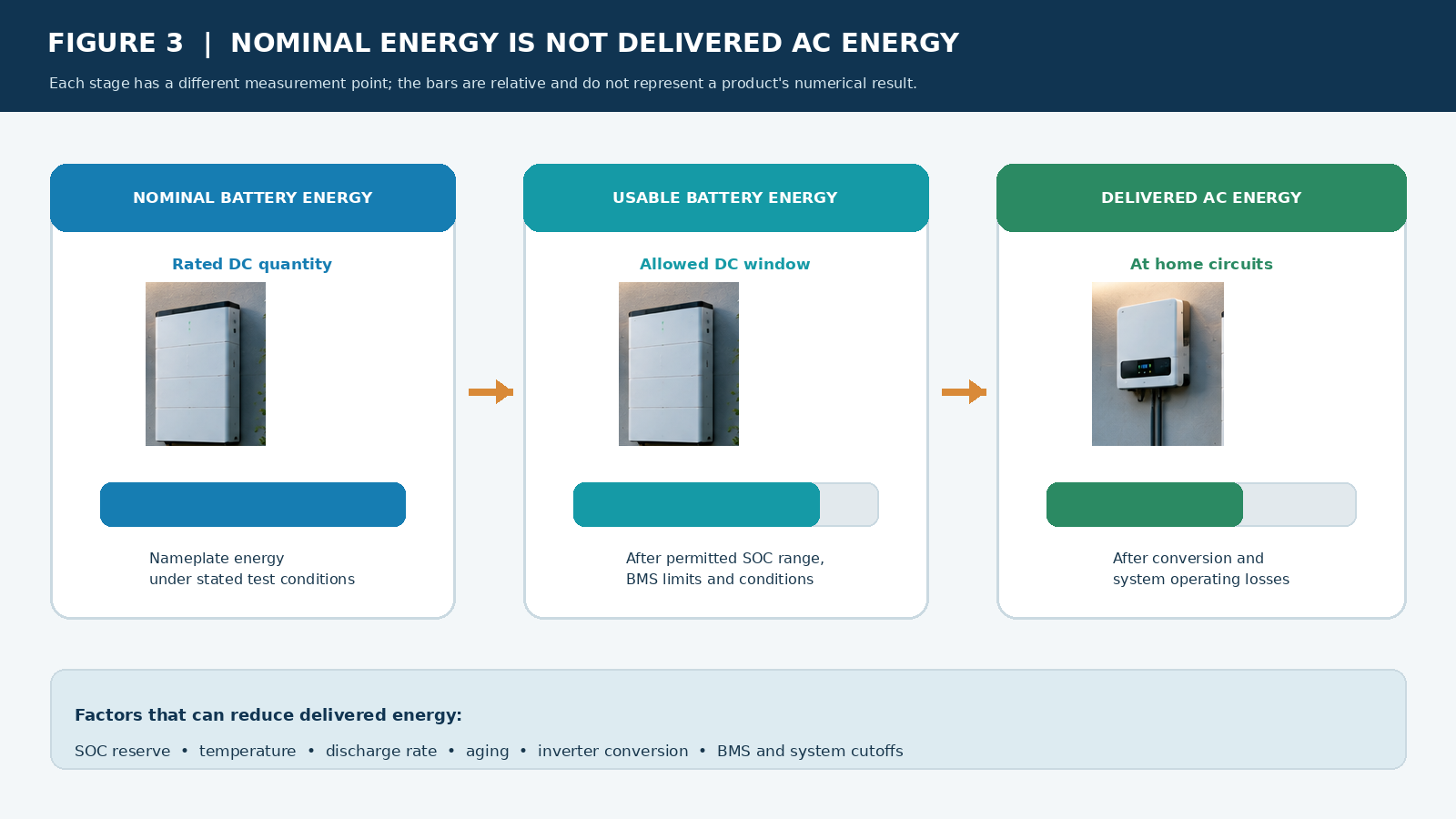
The home can receive less AC energy than the battery's usable DC energy because conversion and operation consume some of it; an already AC-deliverable rating includes its specified conversion path. Battery controls protect the cells by limiting the allowed operating window; an inverter and other equipment consume energy during conversion and operation. When a pack is discharged toward a household AC load, the electricity at the socket can therefore be less than the DC energy taken from the battery. A fully charged display does not erase these boundaries. It reports a state within the system's configured window, not a direct measurement of all energy that every home circuit could receive.
Depth of discharge is often used to describe how far the battery can be discharged relative to its stated capacity. A listed depth of discharge does not automatically translate nominal pack capacity into usable AC energy, because that calculation still leaves conversion and operating losses. Likewise, a reserve set aside for possible backup changes how much energy the controller is willing to spend in normal daily use. The reserve is an operating decision, not an extra portion of the pack. YourHome describes capacity, depth of discharge and efficiency separately; keeping those ideas separate prevents a nominal capacity line from doing three different jobs.
Efficiency has a boundary too. A DC round-trip efficiency can describe energy into and out of the battery on the DC side, while an AC round-trip efficiency can include conversion into and out of an integrated AC system. The latter figure may still be measured at a defined load level and temperature. For example, the Enphase data sheet expressly states conditions for its AC round-trip rating and notes that actual results can vary with load pattern and ambient conditions. A DC figure cannot be compared directly to an AC figure as though they measured the same path. Nor should a single lab efficiency percentage be subtracted from a homeowner's bill without a matching tariff and use profile.
The most honest energy comparison writes the boundary in the label: “usable battery DC energy” or “nominal AC energy at the integrated system output,” with the published test conditions. If a sheet gives only a battery-module value, the installed system's inverter and control design must supply the rest of the explanation. No generic conversion percentage should be silently added to repair a missing rating. The uncertainty is not a minor footnote for backup planning: the difference between pack-side and AC-side energy affects what the house can actually receive.
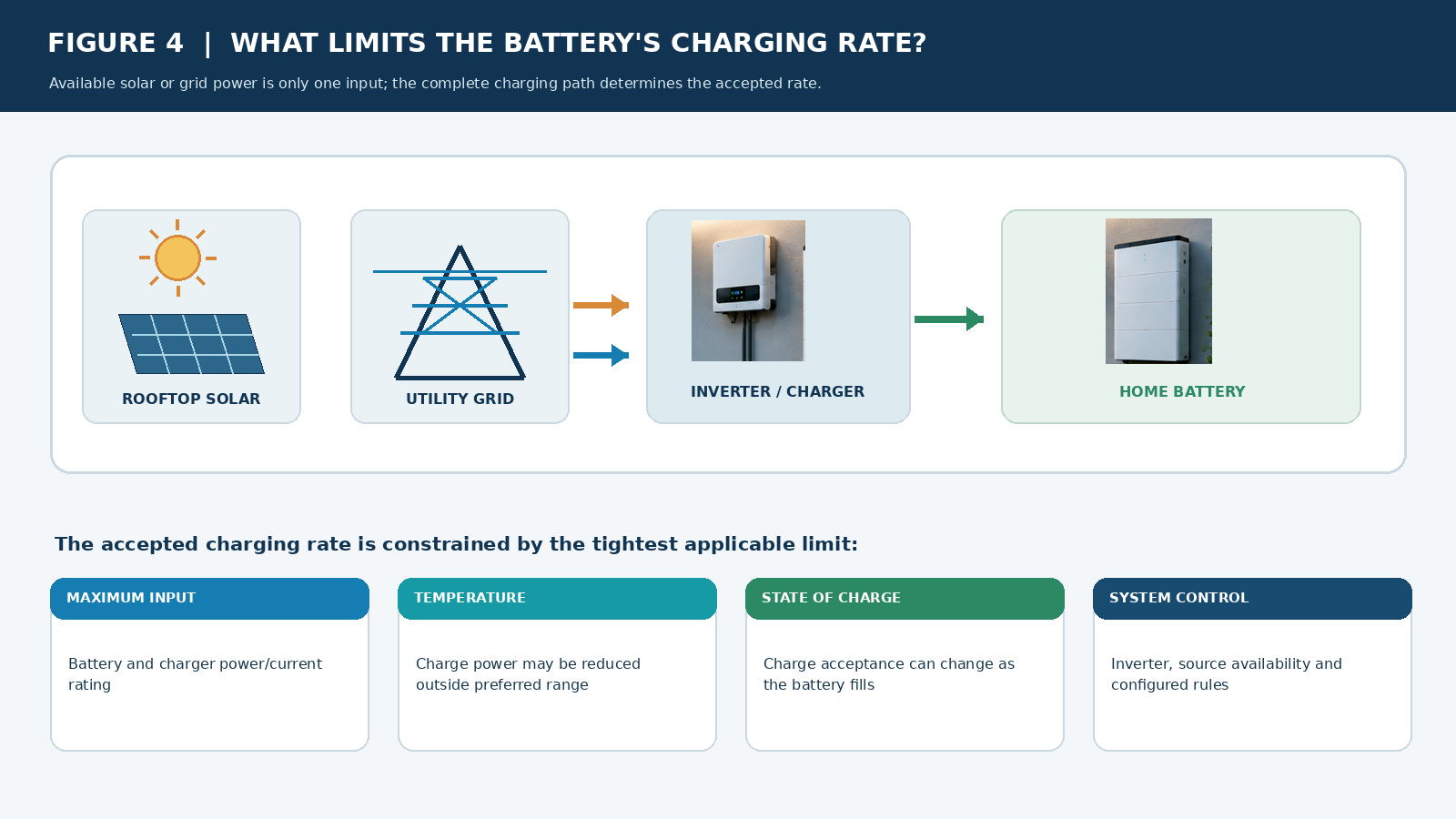
Look for maximum charge power or current, the allowed input source and the conditions that reduce charging. A high stored-energy capacity does not imply that the pack can absorb a high charging rate. Solar generation may briefly exceed the combined home demand and allowed charge input, leaving energy for export or curtailment according to the system arrangement. A grid-charged system may be permitted to charge only in selected time windows or at a configured rate. The charge limit determines how quickly an empty battery could refill under the stated conditions; it does not guarantee a full pack whenever that window opens.
Charge ratings appear at different places. A battery module might list a maximum DC charging current. An AC-coupled product may list maximum AC charge power, reflecting its inverter and charger. A hybrid system may have separate solar input, battery charge and grid charge specifications. To understand a proposed residential configuration, identify the limiting component along the actual path. Multiplying a module's voltage by current provides a DC-side power estimate, not necessarily the AC power drawn from the grid or the solar power accepted by the whole system. Likewise, adding modules does not automatically add charge rate if the installed conversion equipment or controller stays the same.
Charging ability can change with temperature and state of charge. Batteries and power electronics use controls to protect themselves outside preferred operating ranges, and some specifications name reduced charge or discharge power in particular temperature bands. A manufacturer's datasheet can make this explicit: the Enphase IQ Battery 5P sheet notes charge-power reduction at temperatures below and above its stated thresholds. That is evidence that conditions matter, not a universal temperature limit for every battery chemistry or product. A homeowner comparing indoor and outdoor proposals should read the selected model's actual installation and performance conditions, rather than treating an “operating range” headline as a promise of full power throughout that range.
Daily use also depends on the operating mode. A controller may reserve energy for backup instead of discharging to offset an evening import, or it may avoid grid charging under local rules. The specification sheet can establish that a function is supported by a product, but system setup and permissions determine whether it is enabled. A “solar compatible” label does not describe the input path, its maximum power, or which existing inverter can communicate with it. These are system-interface claims that need a matching installed arrangement. The homeowner's question is still about the home battery: can this specific storage configuration accept energy when it is available and release it for the intended daily load when required?
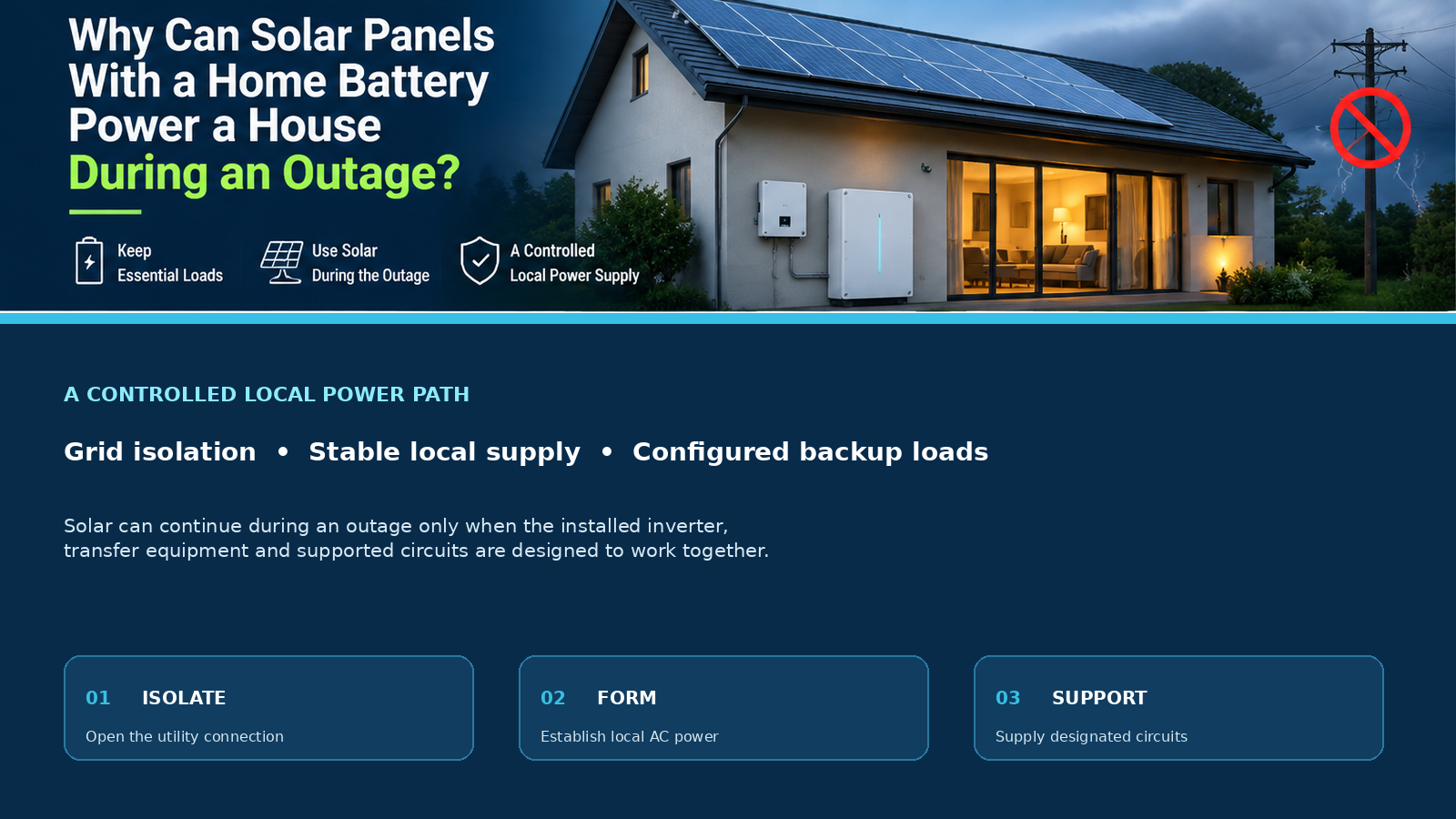
An outage requires more than stored energy and a normal discharge rating. The installed system must safely separate the backed-up circuits from the failed grid and establish an AC supply for those circuits. A battery module with a stated capacity and discharge current does not necessarily include that function. The selected inverter, transfer or isolation device, controls and supported circuit arrangement determine what the backed-up home can use. Tesla's Powerwall installation documents and the Enphase sheet both identify additional system components for backup in their own products, illustrating why a battery-only line item cannot prove outage service. Those brand-specific examples are not compatibility evidence for a different product.
Read backup ratings in their own operating mode. A sheet may distinguish grid-connected output from off-grid output, and it may restrict peak output to particular durations or temperatures. A backup reserve setting reduces energy used for ordinary self-consumption so more may remain at an outage; it does not create extra stored energy. If only selected circuits are connected to the backup output, a whole-home electrical usage figure cannot be used as a direct prediction of what runs during the event.
The most consequential mismatch is often a pair of individually plausible numbers that refer to different systems. A pack may advertise 5 kWh nominal DC capacity, while a compatible inverter's continuous AC output is specified elsewhere, and backup transfer hardware may be an additional component. If a seller combines those lines into “5 kWh whole-house backup” without identifying the AC output boundary, connected circuits and outage configuration, the claim overstates what the sheet alone establishes. The corrected reading is conditional: the pack has a published energy rating; an installed, compatible system might provide a defined backup service if the remaining equipment and connection are confirmed. That distinction protects both the homeowner's decision and the accuracy of the product description.
Treat each rating as a claim with a scope, not a timeless property of the battery. Sheets may identify a reference temperature, beginning-of-life condition, AC voltage, phase, number of units, test load, permissible humidity or installation orientation. A peak current at one voltage is not a universal peak power, and an efficiency result under a reference cycle is not a promised annual household result. Some data sheets publish multiple variants for different markets; a 230 V single-phase specification cannot simply be applied to a 120/240 V installation. Compare the version and electrical configuration actually proposed for the home.
Warranty language answers a different question from initial performance. A limited warranty may define years, cycles, energy throughput, retained capacity, temperature rules, use conditions and remedy. It does not guarantee that today's nominal or usable capacity remains unchanged for the whole term. A warranty threshold also is not a prediction of the date when a particular battery will reach it. To compare two warranties, look at which component is covered, the operating conditions, the measured capacity boundary and the stated remedy. Do not convert a cycle or year figure into a household lifetime without knowing how that household will use the storage system.
In a side-by-side comparison, identify the component, measurement boundary, operating condition and source version for each quoted value. A pack's nominal DC energy and an integrated system's usable AC energy may both be valid, but they cannot be ranked as the same measurement.
A specification sheet supports a decision only as far as its stated ratings describe the intended use at the relevant electrical boundary. For daily shifting, an input charge limit and usable delivery rating can show whether the proposed system has the capability to charge and discharge within the desired operating windows; they cannot predict savings without the household's timing and tariff. For backup, usable AC energy and continuous or timed peak output describe different constraints, while an outage-capable installation determines whether either can serve protected circuits. If a needed rating belongs to another component or a different operating mode, the sheet alone leaves that decision open. This is the conclusion the comparison permits before a separate household sizing or motor-start analysis.
Related News
Nov. 07, 2026
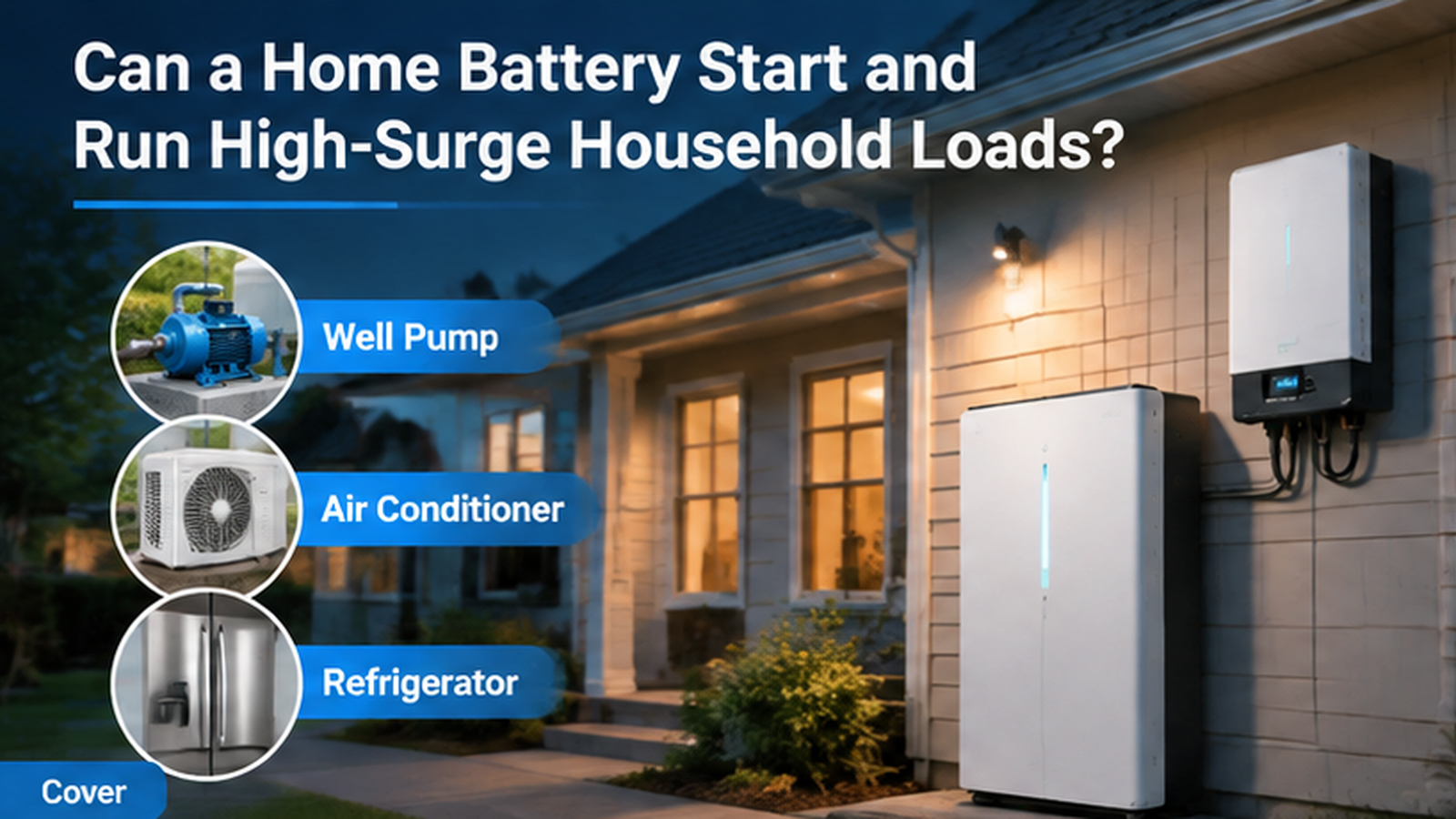
Can a Home Battery Start and Run High-Surge Household Loads?
Learn why battery kWh alone cannot prove motor-start backup. Compare inverter surge duration, running demand, simultaneous loads and a supervised backup test.
Nov. 07, 2026
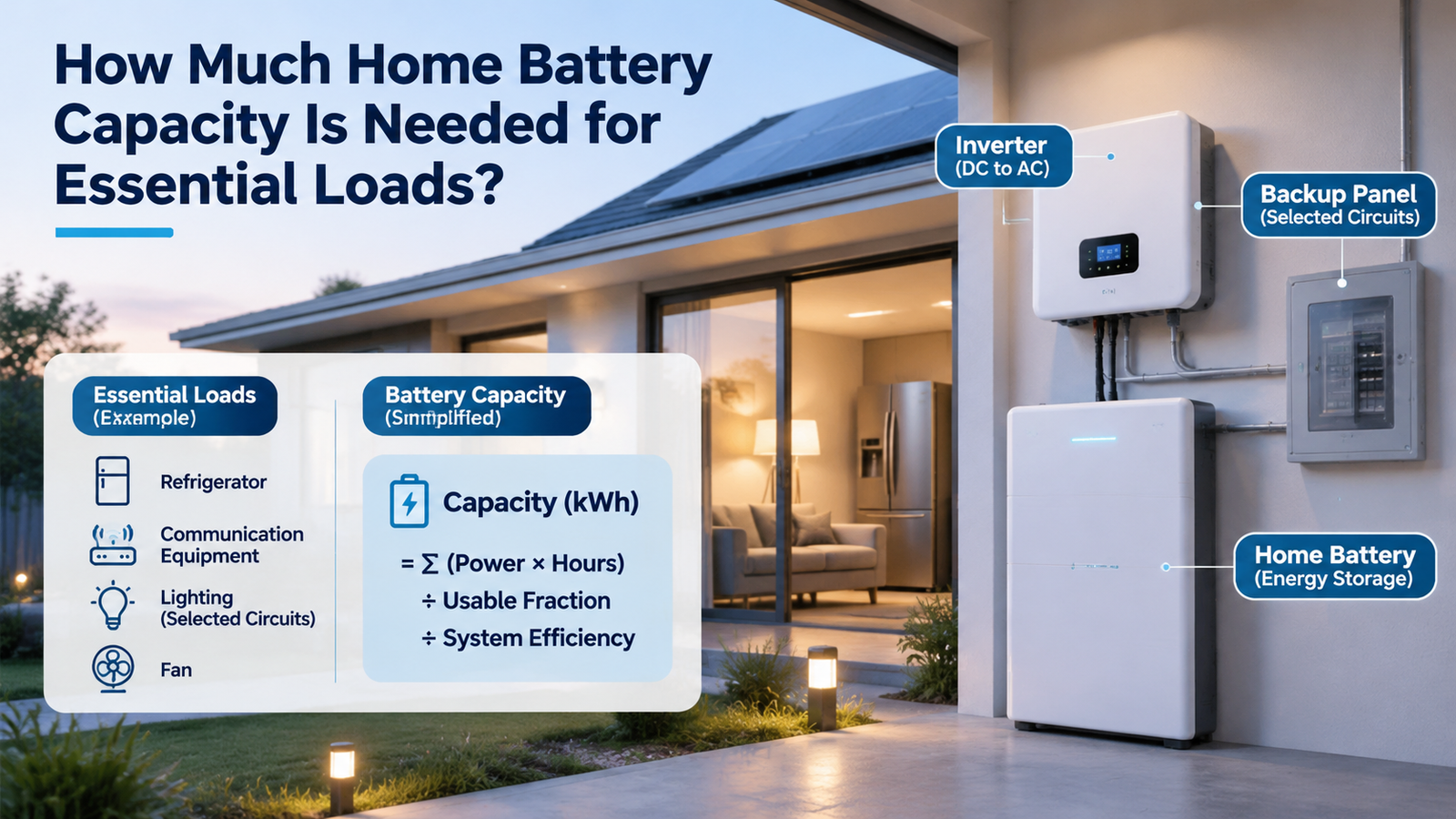
How Much Home Battery Capacity Is Needed for Essential Loads?
Calculate home battery capacity from essential-load power, duty cycle and outage hours. See a transparent kWh example and avoid double-counting losses.
Nov. 06, 2026
Whole-Home Battery Backup or Critical-Load Backup: Which Scope Fits the Home?
Compare whole-home and critical-load battery backup by protected circuits, peak power, outage duration and load control to choose a realistic home backup scope.
Nov. 06, 2026
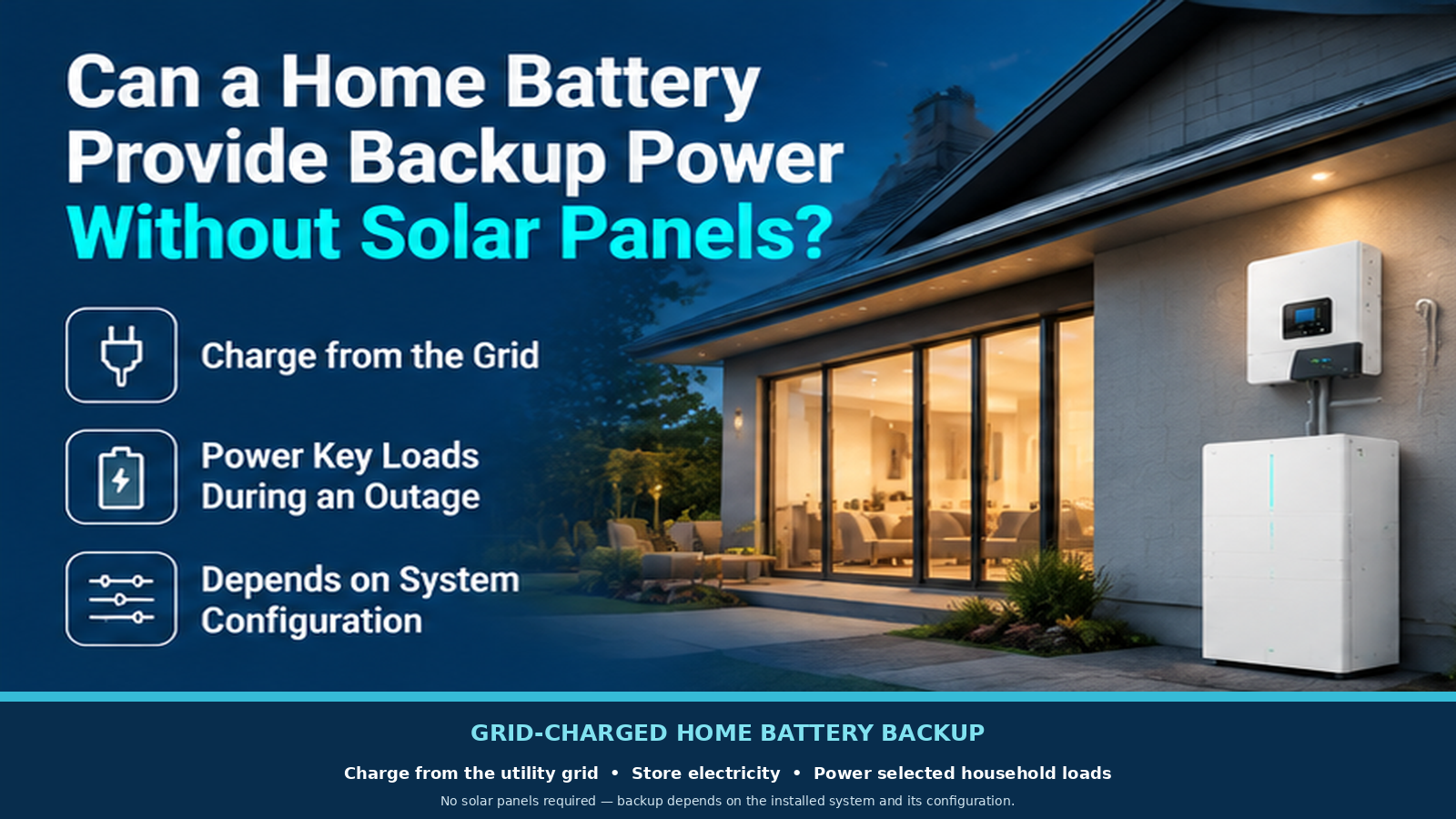
Can a Home Battery Provide Backup Power Without Solar Panels?
A home battery can provide backup without solar if grid charging, outage isolation and backup circuits are configured. Learn what limits runtime and recharge.
Nov. 06, 2026
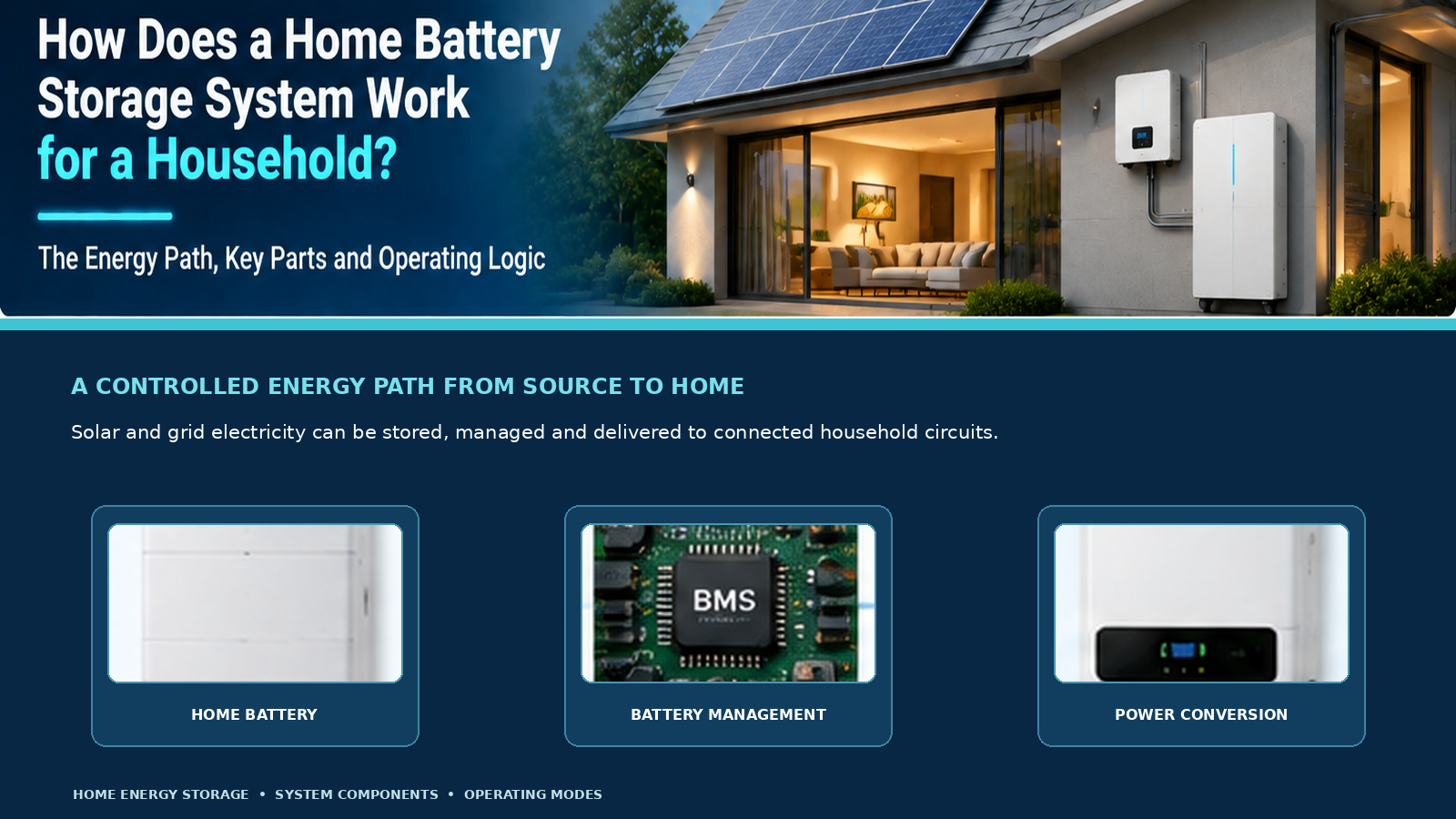
How Does a Home Battery Storage System Work for a Household?
Follow the energy path through a home battery, inverter and controls. Learn how charging, daily discharge and outage backup differ before comparing systems.
Nov. 06, 2026
How Can A Weak Battery Be Distinguished From A Weak Golf Cart Battery Bank?
Compare like-conditioned unit and bank readings to separate one weak battery from broad bank loss, charging shortfall or connection trouble.
Nov. 06, 2026
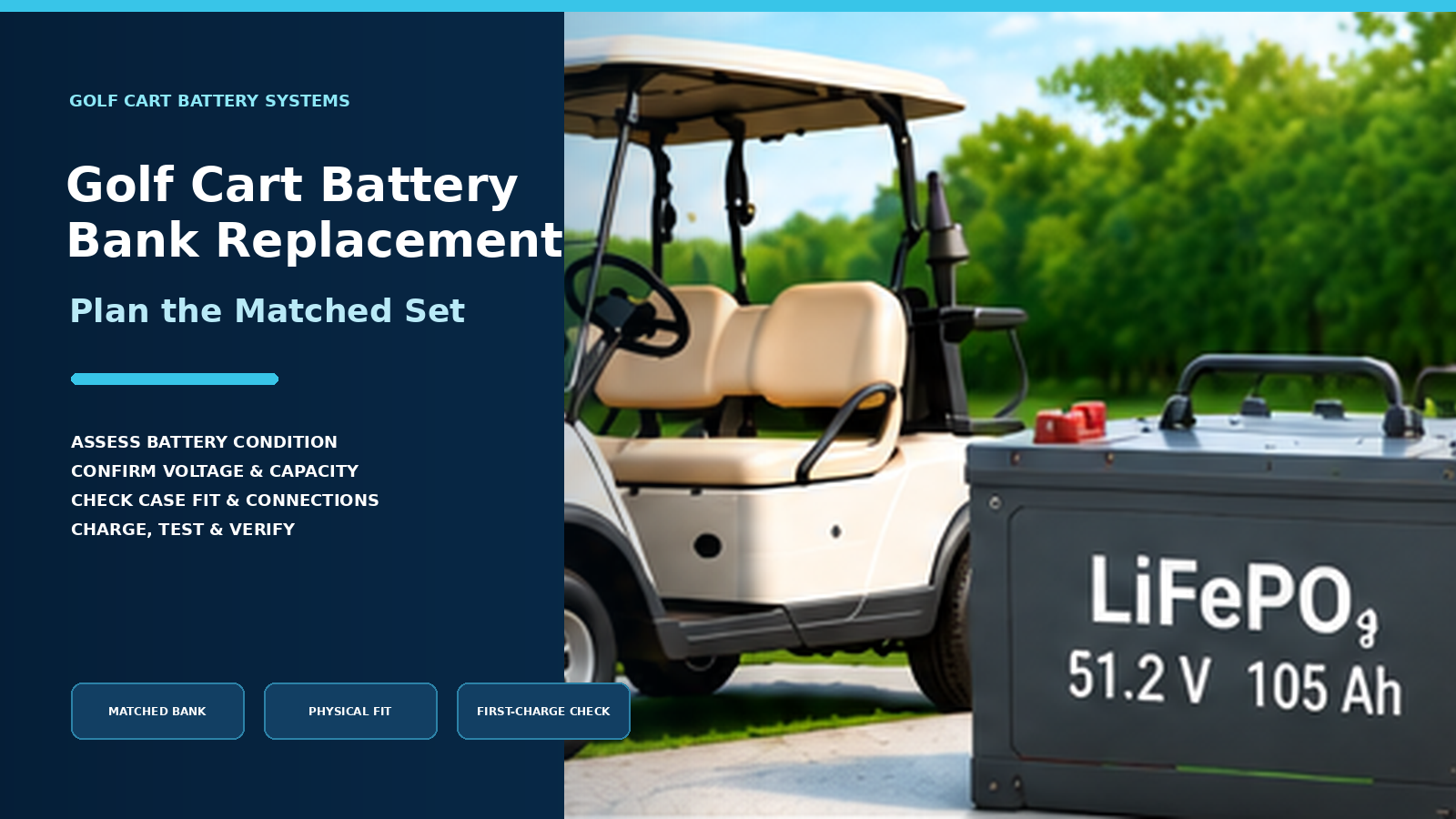
How Should A Replacement Golf Cart Battery Bank Be Planned?
Decide whether one unit or the bank needs replacement, then specify voltage, fit, connections and first-charge checks before ordering.
Nov. 06, 2026
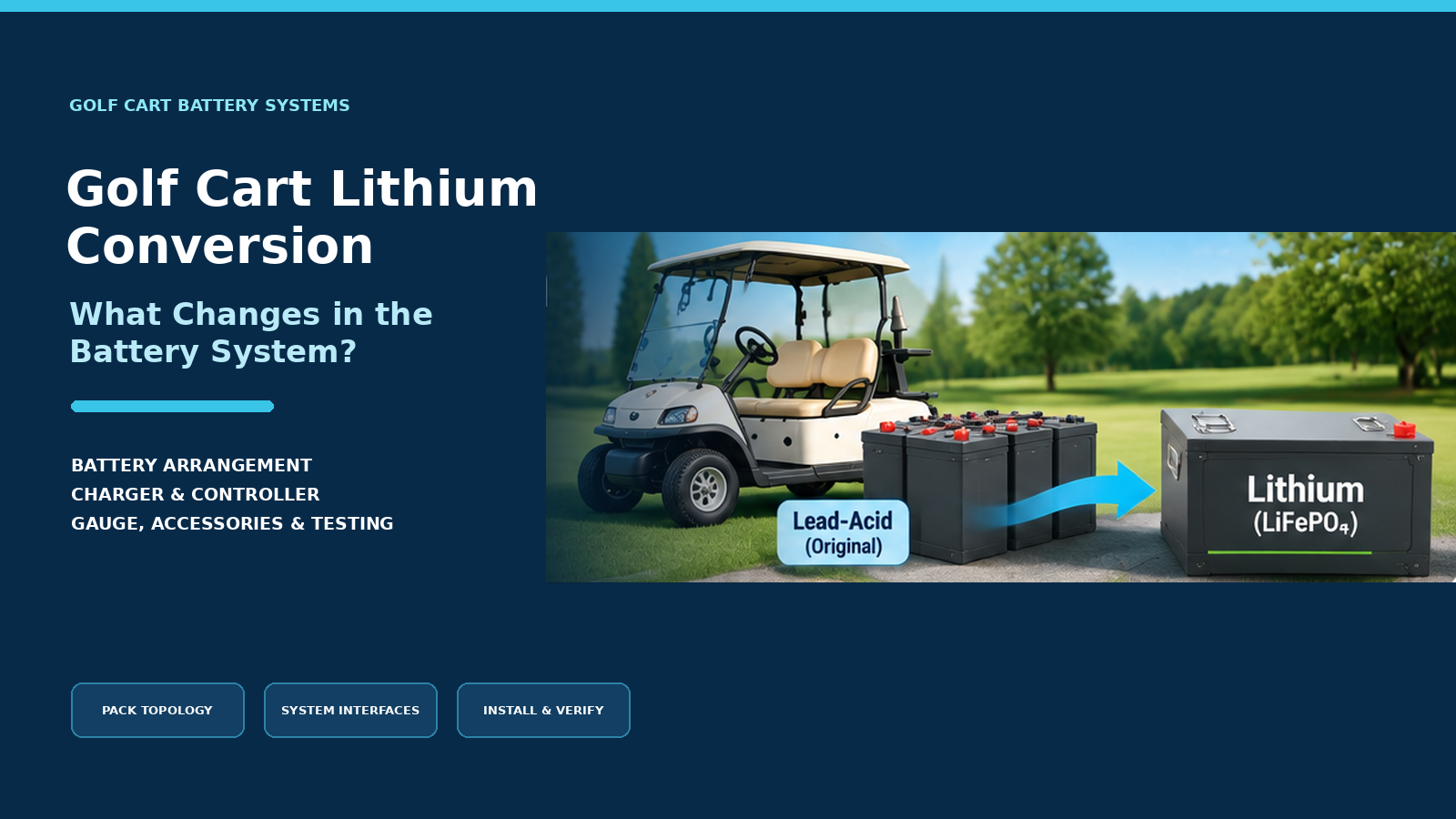
What Changes When A Golf Cart Battery Bank Is Converted To Lithium?
Map the battery bank, tray, charger, controller, gauge and accessory interfaces that change when converting a lead-acid golf cart to lithium.
Nov. 06, 2026
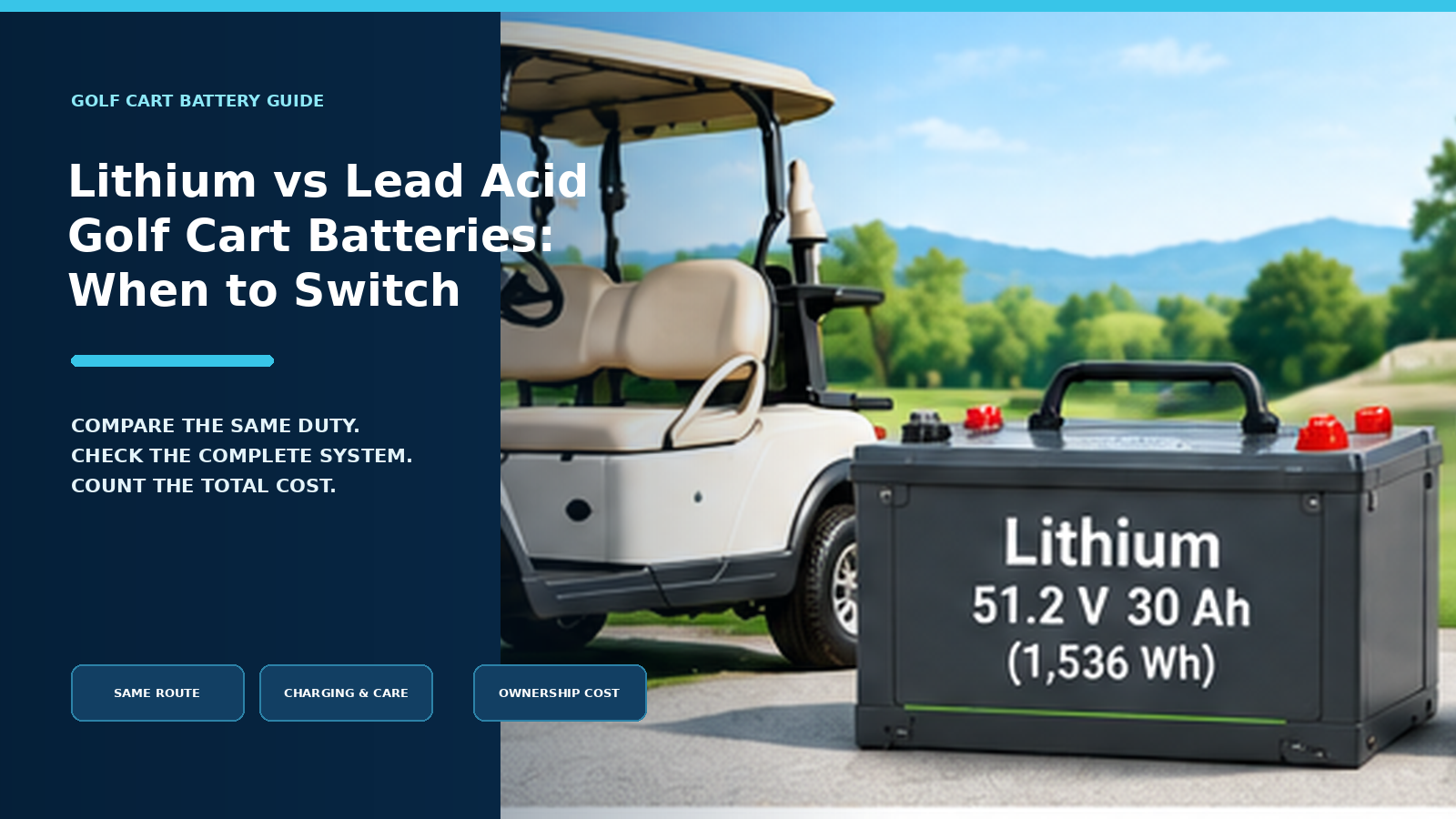
When Does Lithium Make Sense Instead Of Lead Acid For A Golf Cart?
Compare lithium and lead acid for the same golf-cart duty, charging routine, maintenance capacity and ownership horizon before deciding whether a switch is worthwhile.

Nov. 06, 2026
How Can Peak Current Demand Be Matched To A Golf Cart Battery?
Compare a golf cart’s acceleration and hill-load current by duration with battery continuous, pulse and protection ratings under matching conditions.
Nov. 06, 2026
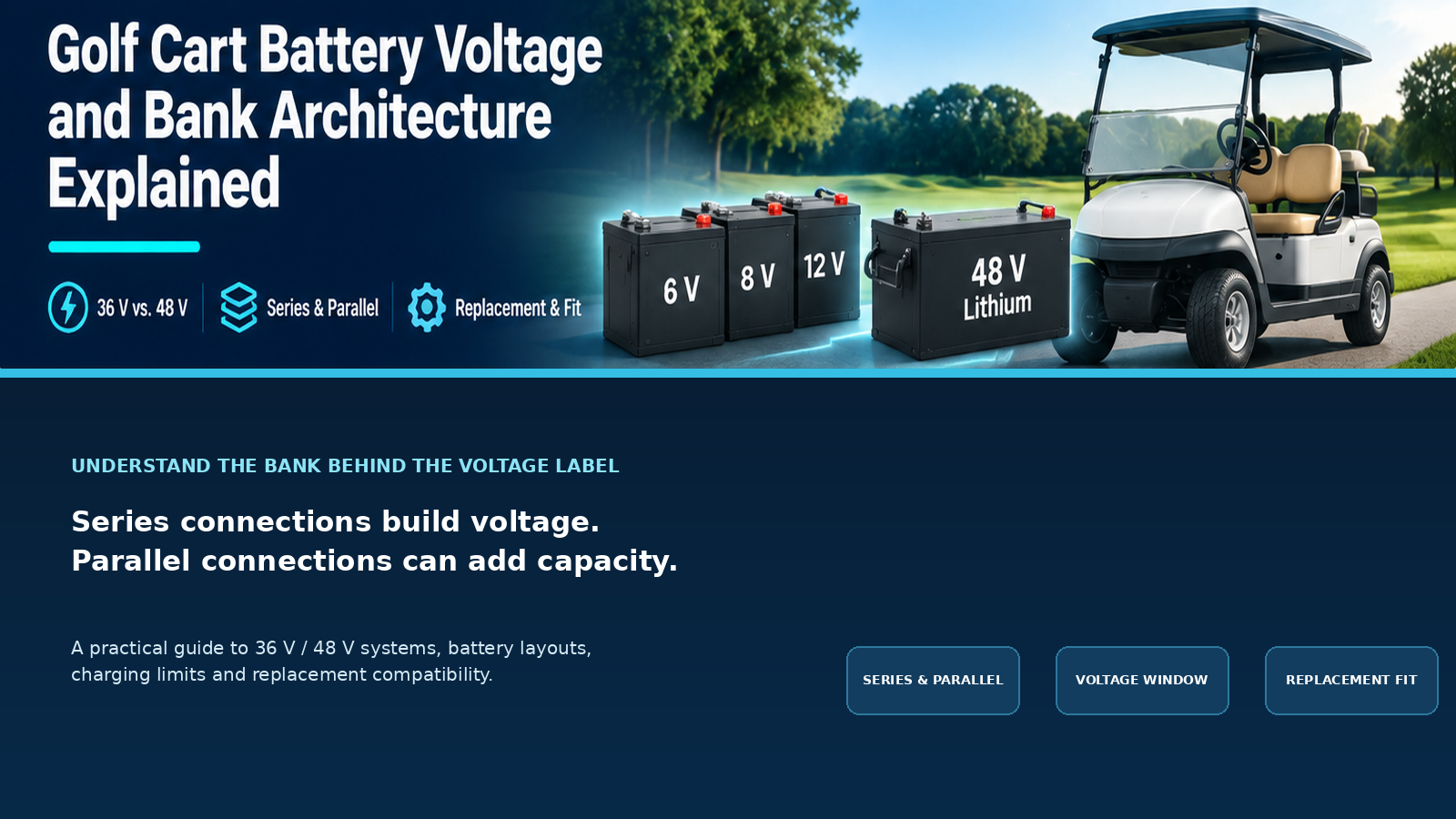
How should a golf cart battery be sized for route energy and reserve?
Use measured route energy, usable battery capacity and a defined return reserve to plan golf cart battery size without treating Ah as guaranteed range.