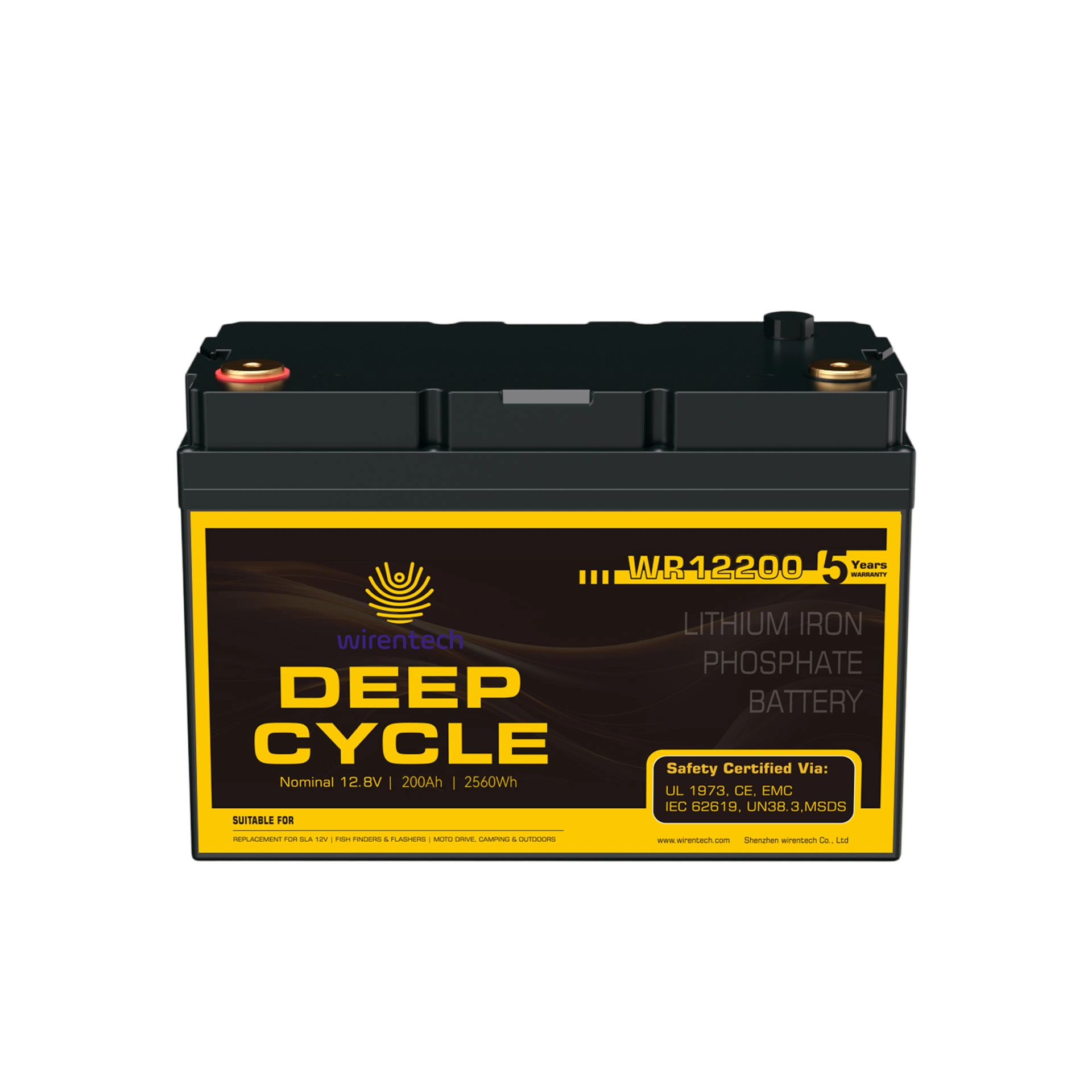
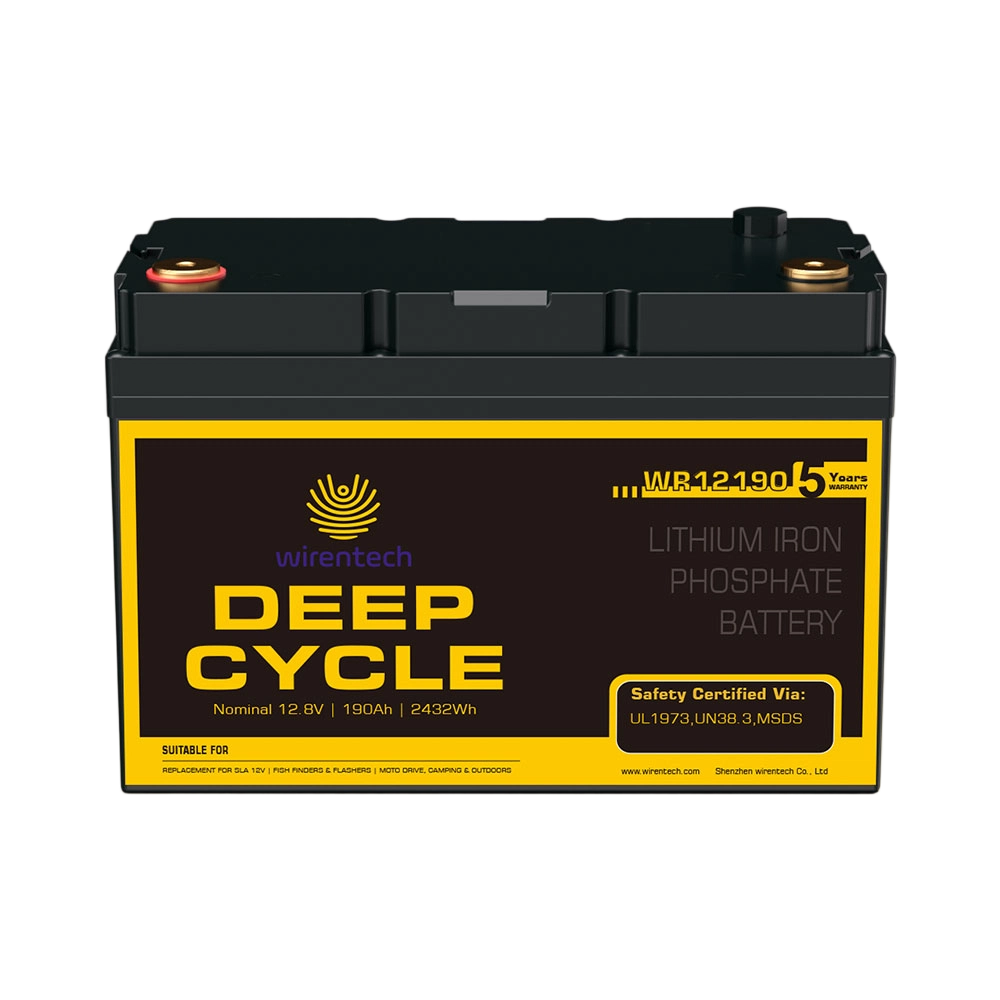
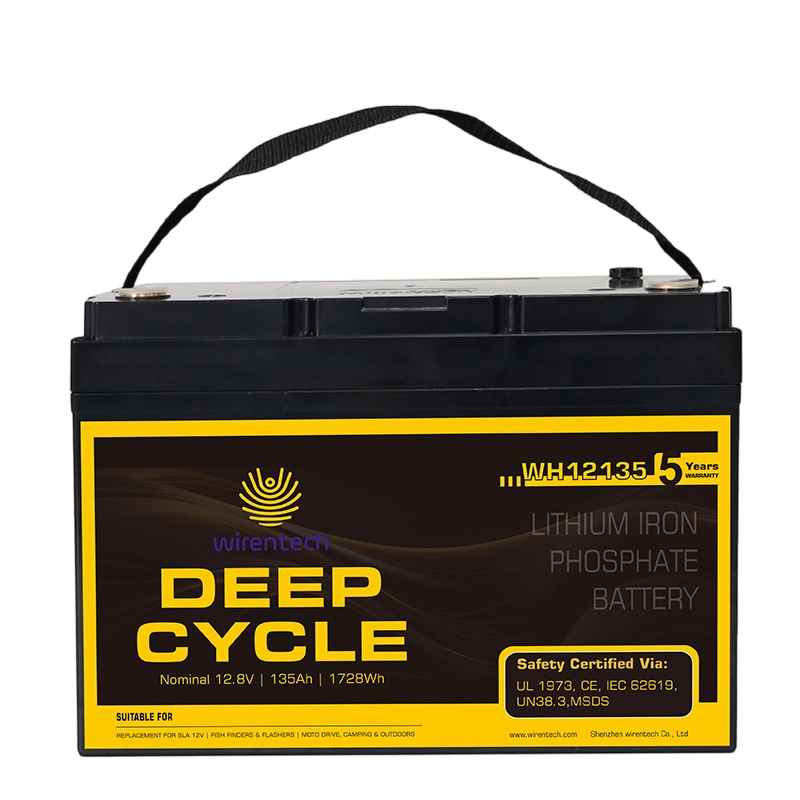
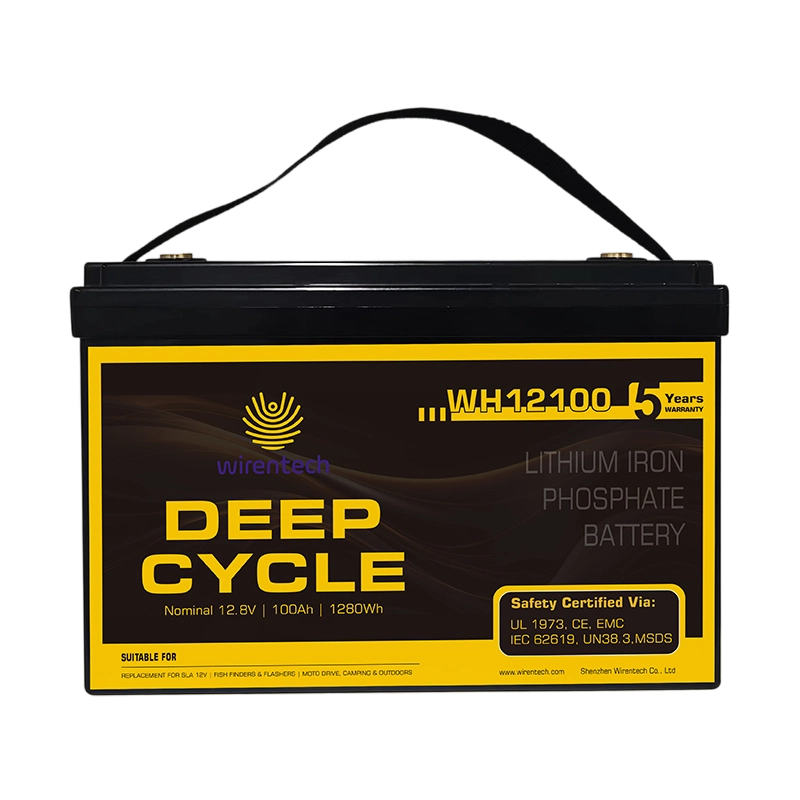
Custom LiFePO4 battery sourcing for RV and golf cart projects starts with two separate duty profiles, not a menu of 24V, 50Ah, 100Ah, or 200Ah labels. RV house loads and golf cart traction loads impose different power, charging, enclosure, environmental, and control requirements. Buyers should define the vehicle or installation, voltage window, energy and peak-power need, space, charger, connectors, BMS behavior, evidence, and validation plan before asking for an OEM quotation.
Buyers often group several voltage and capacity options into one sourcing request, but each combination must be treated as a requirement to be reviewed rather than proof of a standard product.
Split RV house loads from golf cart traction duty
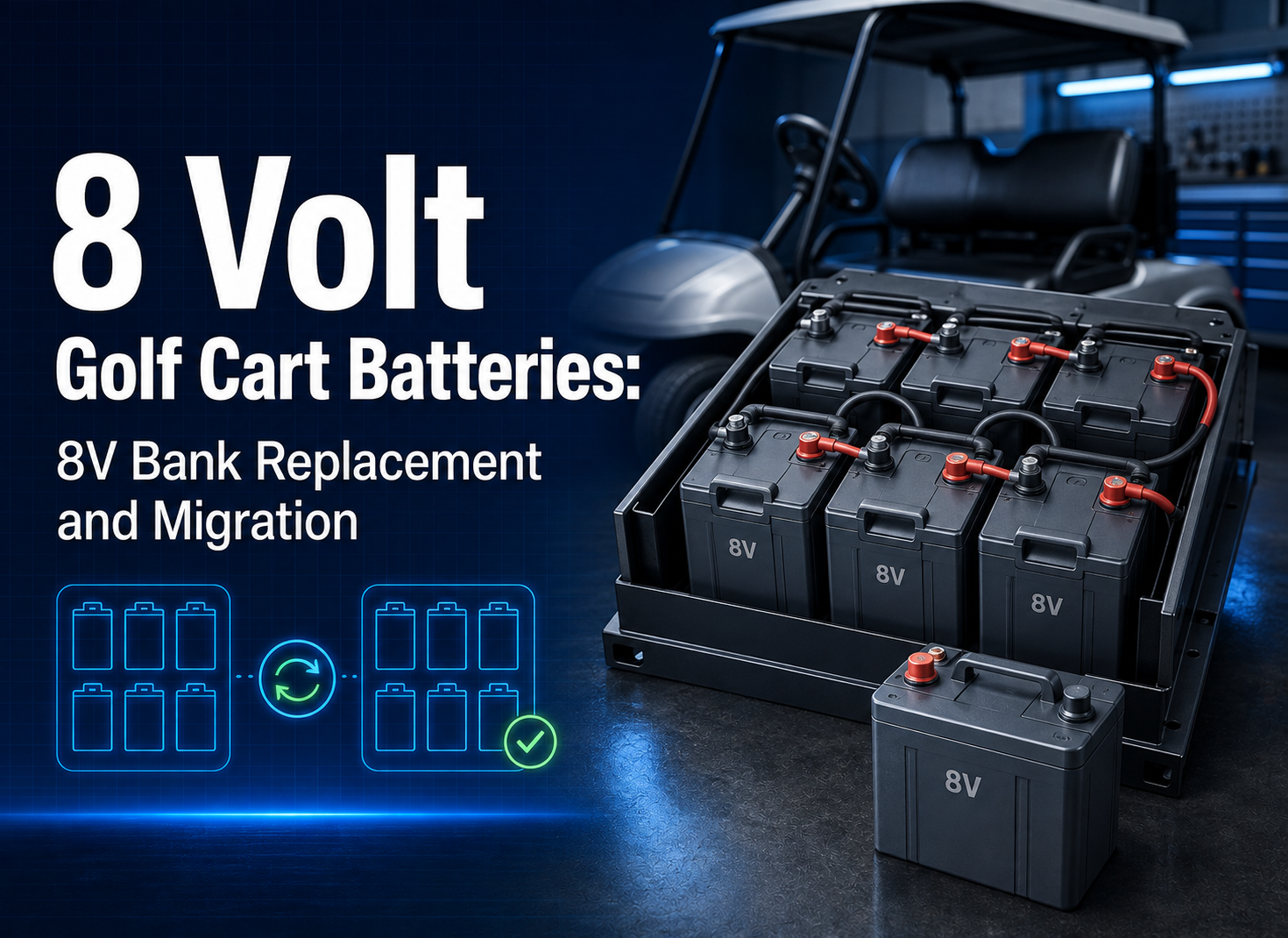
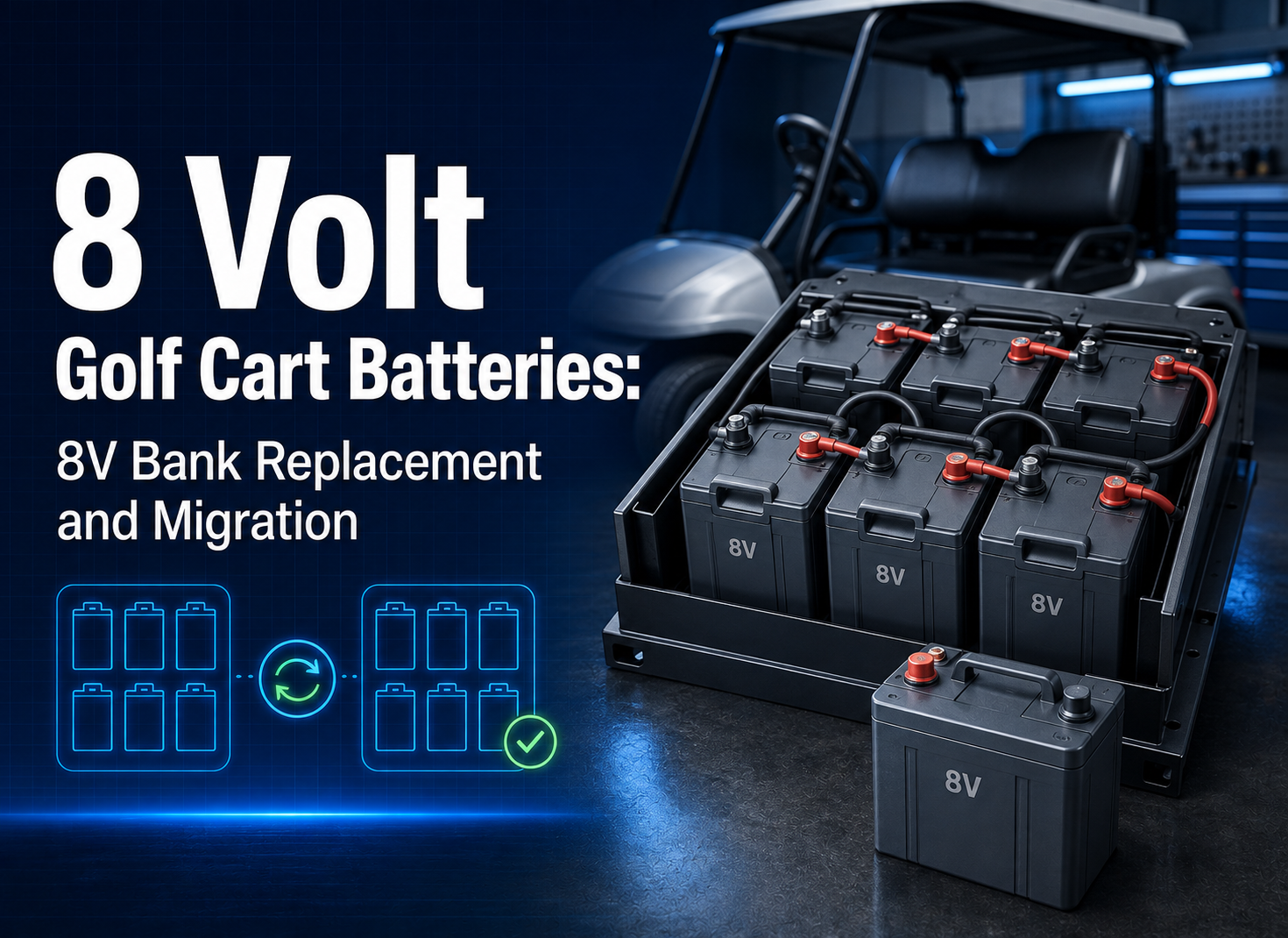
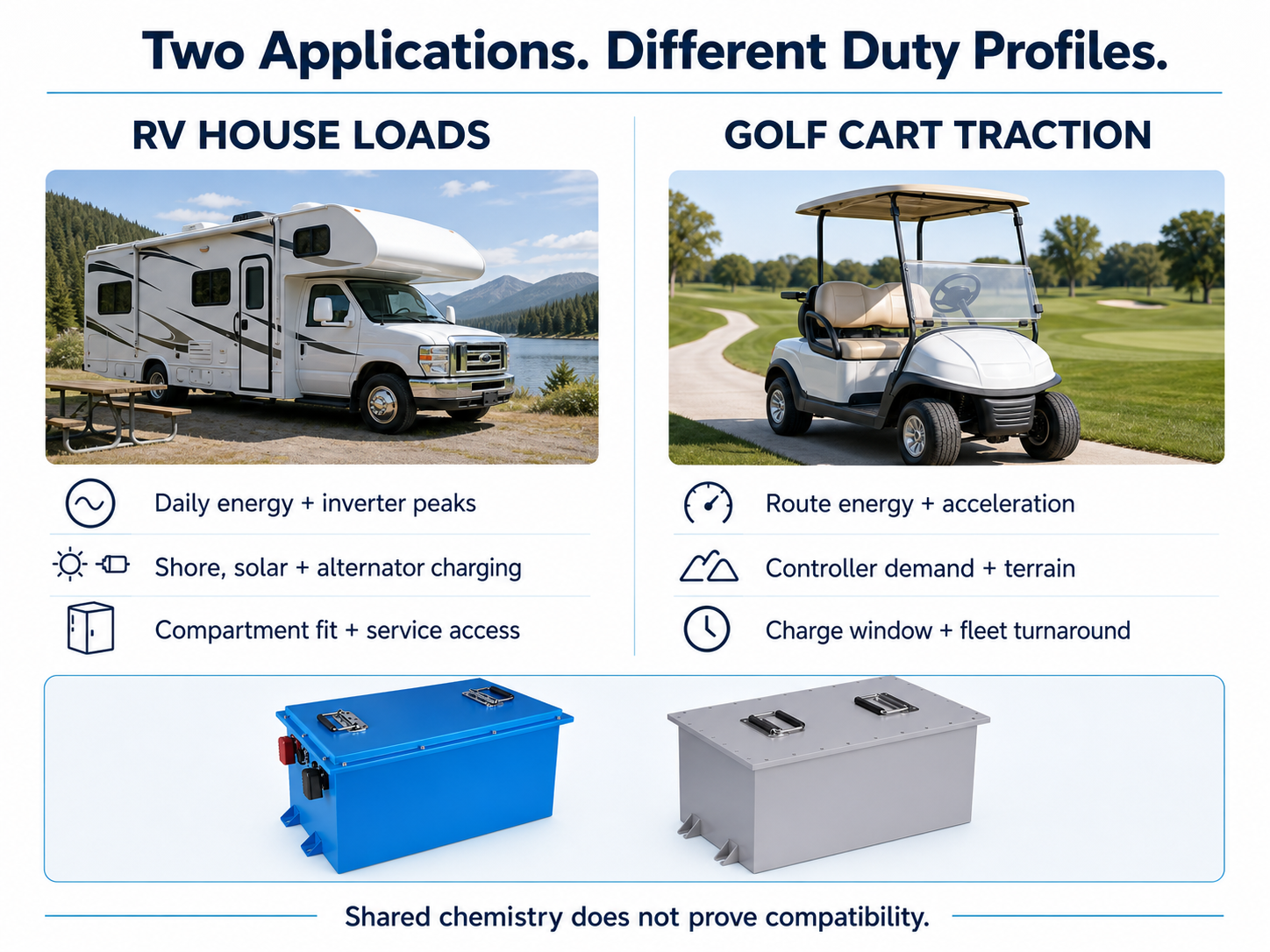
An RV battery may support lighting, refrigeration, electronics, pumps, inverters, and intermittent appliances over long dwell periods. A golf cart battery supplies traction current through a motor controller, with acceleration, grades, regenerative behavior where applicable, and repeated daily routes. The two applications can share LiFePO4 chemistry while demanding different electrical and mechanical designs.
Create separate load records. For an RV, list DC and inverter-fed loads, daily energy, shore or solar charging, storage periods, and low-temperature use. For a cart, record vehicle voltage, controller, motor, peak and average current, route distance, terrain, passengers or cargo, speed policy, charge window, and daily turns. Do not carry a high-current statement from one manual or model into another product.
|
Design input
|
RV project emphasis
|
Golf cart project emphasis
|
|
Duty data
|
Daily Wh, inverter peaks, parked loads
|
Route energy, acceleration, grade and controller demand
|
|
Charging
|
Shore, alternator, solar or inverter/charger
|
On-board/off-board charger and fleet turnaround
|
|
Packaging
|
Living-space constraints, vibration, ventilation and service
|
Battery bay, retention, impact, vibration and wash environment
|
|
Controls
|
Low-voltage loads, inverter and monitoring
|
Controller, key signal, display, interlock and charger
|
Convert 24V and amp-hour options into requirement bands
Voltage must match the electrical architecture and operating window. Capacity influences nominal energy, runtime, mass, space, charge time, and cost, but amp-hours cannot be compared across different voltages without converting to watt-hours. The values 50Ah, 100Ah, and 200Ah are useful planning points only after the duty cycle is defined.
At an ideal nominal 24V, the arithmetic energy labels are 1.2kWh, 2.4kWh, and 4.8kWh for 50Ah, 100Ah, and 200Ah respectively. These are not product availability claims and not usable-energy promises. The exact battery voltage, BMS window, reserve, losses, temperature, and ageing basis determine what the application can use.
|
Planning option
|
Nominal arithmetic at 24V
|
Buyer must still determine
|
|
50Ah
|
1.2kWh
|
Runtime, current capability, enclosure and charge time
|
|
100Ah
|
2.4kWh
|
Duty margin, peak loads, packaging and service access
|
|
200Ah
|
4.8kWh
|
Mass, mounting, charge infrastructure and thermal behavior
|
Use range or runtime targets rather than selecting the largest capacity by default. Excess capacity can create packaging, mass, charging, and cost penalties. Too little capacity can drive deeper cycling, missed routes, or generator use. A controlled pilot reveals which constraint actually governs.
Use public product pages as screening references
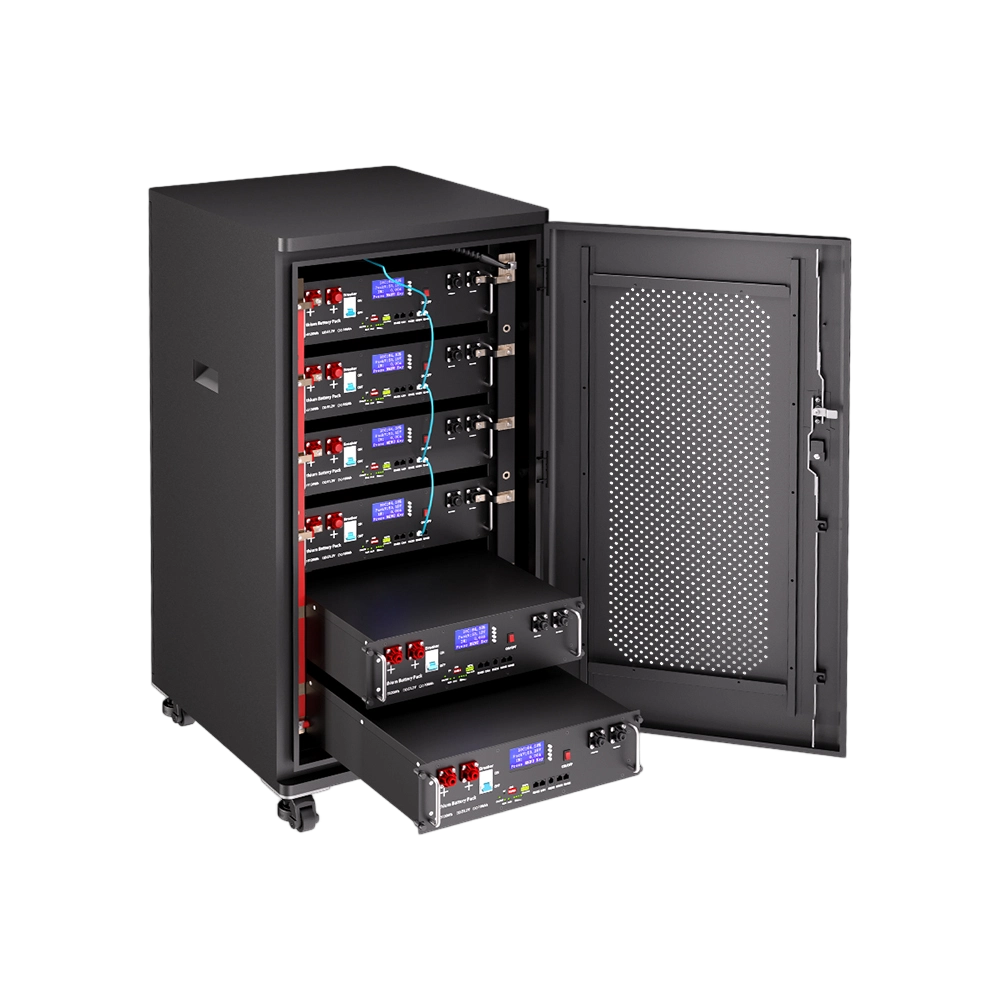
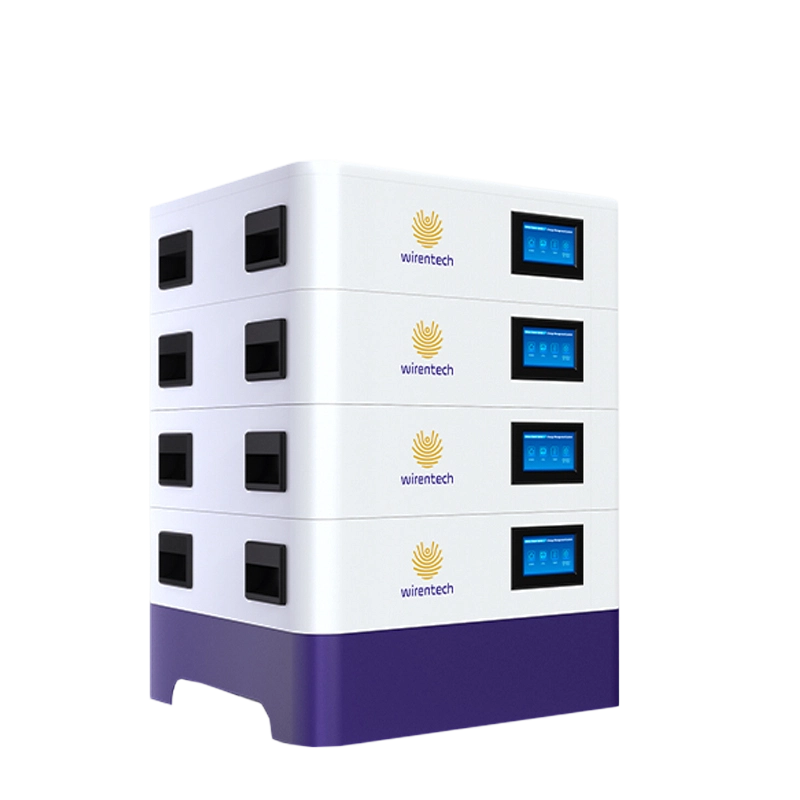
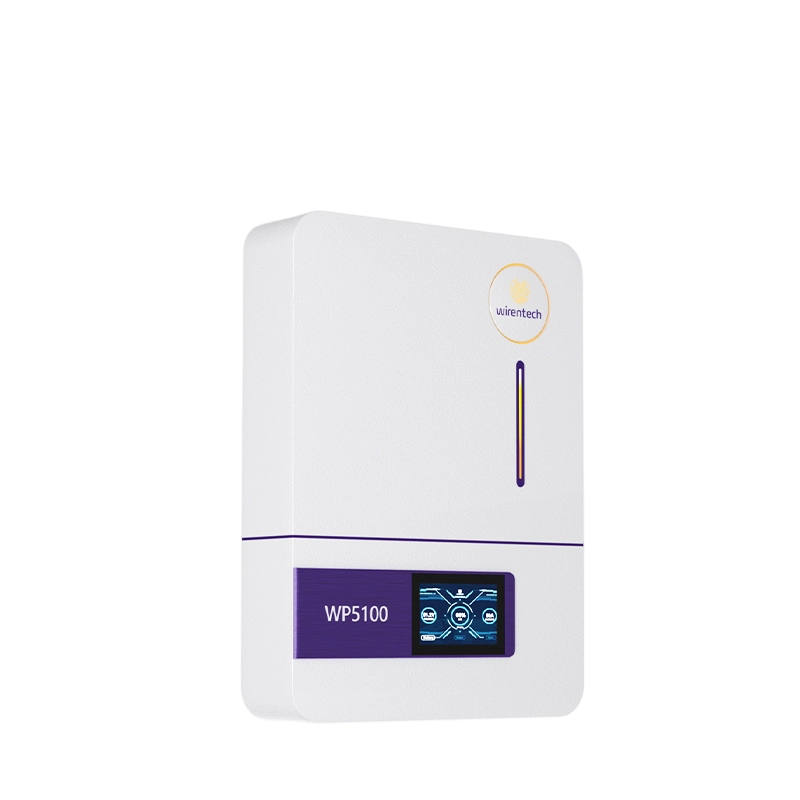
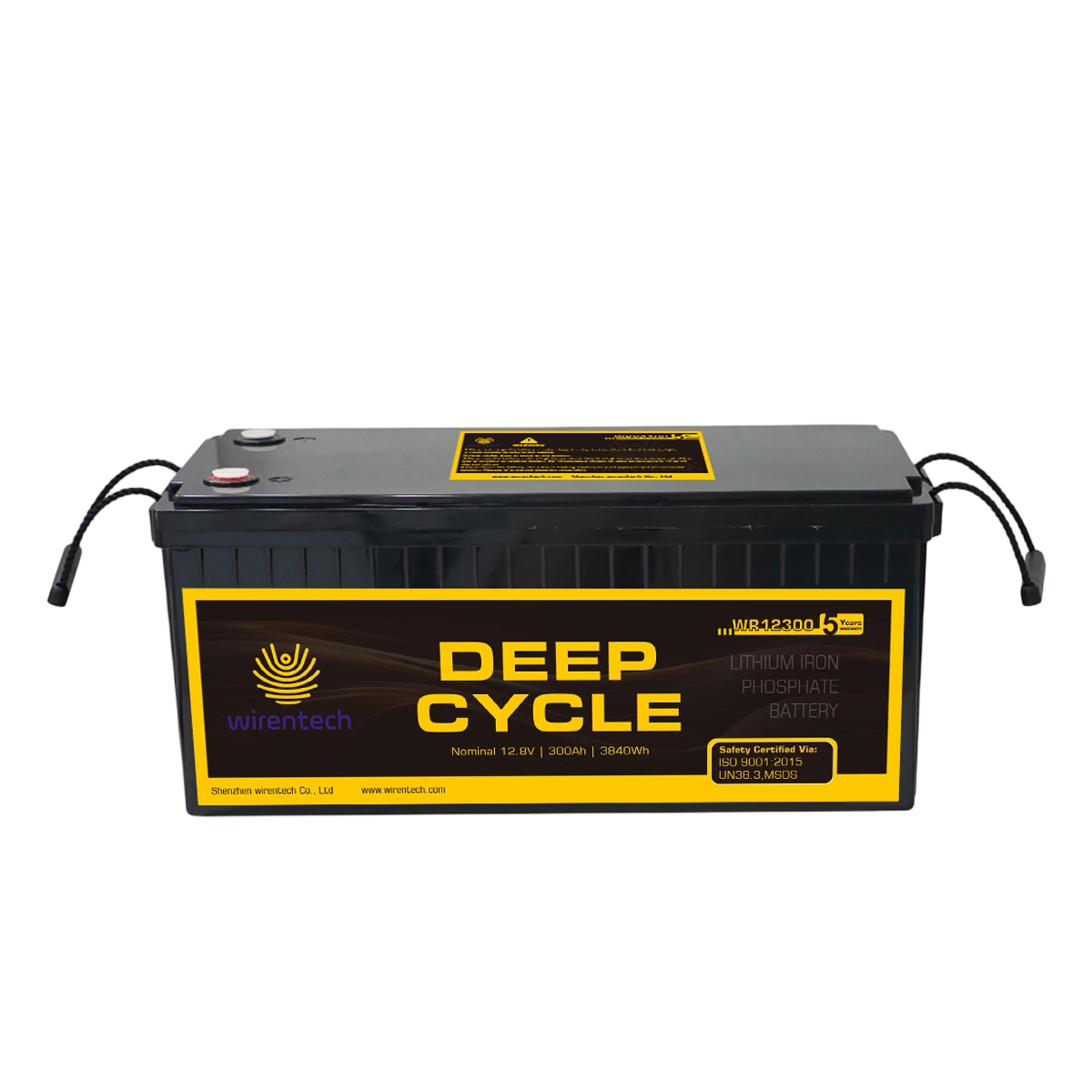
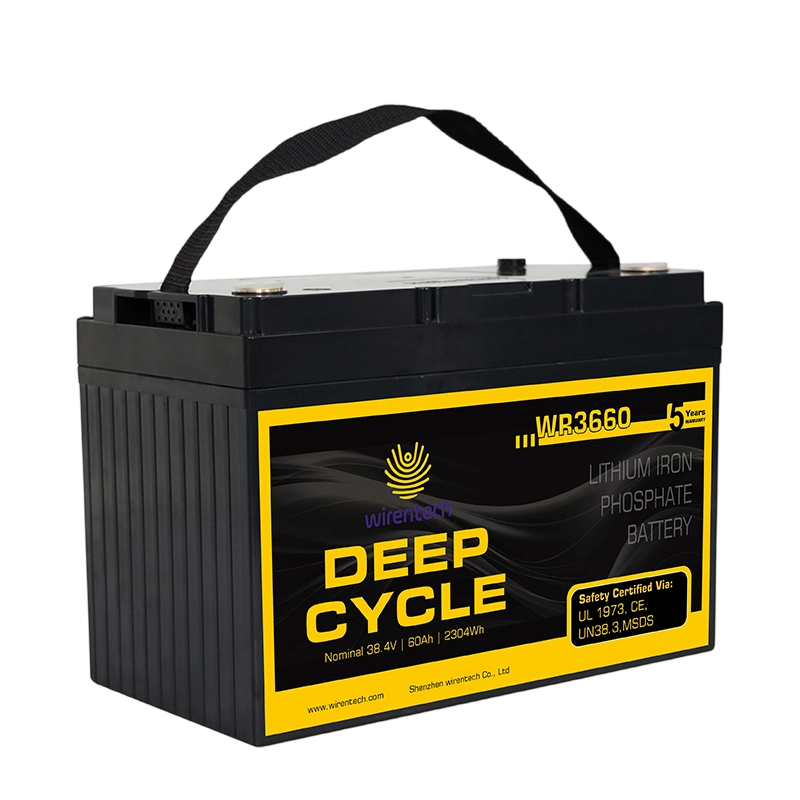
For family-level sourcing, buyers can review RV Marine Lithium Batteries. The category presents multiple configurations for RV applications, but it does not prove that a specific 24 V/50 Ah, 24 V/100 Ah, or 24 V/200 Ah design is available or approved for a golf cart.
A separate published example is the 51.2V 50Ah Energy Storage Battery Pack Rechargeable Lithium Battery for RV Golf Cart. Its voltage differs from the 24 V requirement, so it should be used only to discuss a separate 51.2 V application path. The exact vehicle, charger, controller, dimensions, and evidence still require review.
Define the custom enclosure and interfaces
Customization should begin with an interface control drawing. Capture maximum envelope, mounting points, retention, mass target, center-of-gravity concern, terminal or connector position, cable exit, service clearances, ingress exposure, vibration environment, temperature range, cooling approach, labels, and packaging. For mobile use, review crash, impact, vibration, splash, corrosion, and maintenance conditions appropriate to the project.
Electrical options may include voltage and capacity, BMS communication, connectors and harnesses, enclosure, labeling, branding, and packaging, subject to technical review. “Custom” does not mean every combination is feasible, immediate, or covered by an existing document. Each change should be classified as cosmetic, interface-level, electrical, mechanical, firmware, or cell/BOM-related because the validation impact is different.
- Freeze the vehicle or RV model and measure the available compartment.
- Provide connector families, pinouts, cable lengths, current requirements, and mating parts.
- Define mounting, retention, lifting, and service-removal method.
- State environmental and storage conditions, including charging at low temperature.
- Identify required labels, language, branding, packaging, and destination rules.
Match BMS, charger, and vehicle controls by model
For a golf cart, compatibility depends on system voltage, controller, motor, charger, connector, interlocks, display, and control logic. For an RV, it can involve an inverter/charger, solar controller, alternator charging, DC distribution, and monitoring. A broad statement such as “fits most carts” or “works with the original charger” is not sufficient.
Confirm charge voltage and current, connector, profile, temperature behavior, wake/sleep logic, state-of-charge reporting, alarm outputs, pre-charge where needed, and behavior after a protective trip. CAN or RS485 may be discussed as possible interfaces, but compatibility requires an approved protocol, wiring, firmware, and validation record for the named devices.
Keep this article’s role narrow: translating mixed RV and golf-cart requirements into a controlled custom-development brief with separate duty profiles and validation gates.
Build prototypes around measurable validation gates
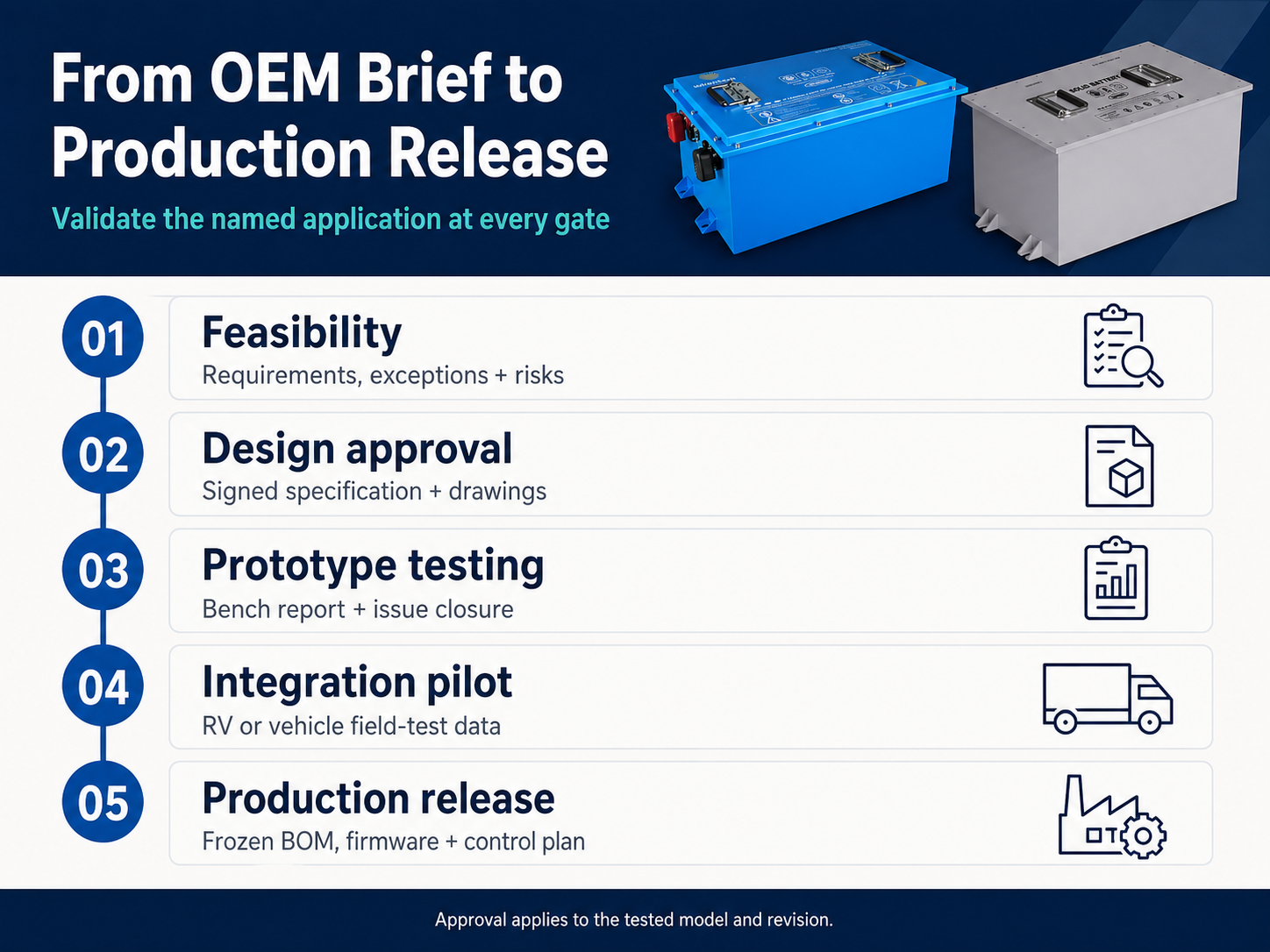
An OEM project should pass gates rather than jump from concept to mass production. Begin with requirements review and feasibility, then approve the specification and drawing, build engineering samples, run bench tests, complete vehicle or RV integration, conduct a field pilot, freeze the configuration, and only then release repeat production.
Bench tests should reflect the selected design and may cover capacity, charge and discharge behavior, voltage drop, BMS protections, current limits, temperature rise, communications, sleep current, fault recovery, and connector performance. Vehicle or installation testing should add range or runtime, grade or transient behavior, charger operation, mounting, vibration, thermal environment, user interface, and service tasks.
|
Gate
|
Decision question
|
Required record
|
|
Feasibility
|
Can the requirement be met without unsafe or unsupported assumptions?
|
Exceptions and risk list
|
|
Design approval
|
Are electrical, mechanical and control interfaces frozen?
|
Signed specification and drawings
|
|
Prototype
|
Does the sample meet bench criteria?
|
Test report and issue closure
|
|
Integration pilot
|
Does it work in the named vehicle or RV duty?
|
Installation and field-test data
|
|
Production release
|
Can the approved configuration be repeated and inspected?
|
BOM/version freeze and control plan
|
Request evidence that matches the custom model
Ask for cell identity and incoming-control records, BMS hardware and firmware version, electrical limits, drawing, manual, communication information, charge profile, test reports, transport documentation, labels, and inspection plan. Compliance requirements vary by market and use; verify the exact model and configuration in the document scope.
UN38.3 supports transport-related review, not vehicle compatibility or installed-system approval. A model-specific peak-discharge figure must state whether it is continuous or time-limited and include test conditions. Do not reuse any peak-current figure from an unapproved source, and never rewrite peak current as continuous current. Warranty, cycle life, MOQ, sample time, lead time, production capacity, and price must be confirmed for the approved custom configuration and contract.
Compare fleet economics with controlled inputs
Total cost of ownership can include battery and charger cost, installation, vehicle downtime, energy, maintenance, replacement, spares, logistics, training, and service. Do not manufacture a savings percentage without a baseline fleet and measured duty. Compare scenarios using the same period, route, energy price, utilization, and service assumptions.
For golf fleets, track route completion, energy per route, charge time, state-of-charge reserve, faults, temperature, and downtime during the pilot. For RV programs, track daily energy, peak demand, charging-source contribution, storage loss, low-temperature events, and user interactions. These records support capacity selection and supplier discussions more credibly than a generic range claim.
After the configuration is approved, teams should convert operating observations into a model-specific maintenance plan with defined inspection intervals, fault handling, and record ownership.
Send an OEM RFQ that separates locked and flexible items
Mark each requirement as locked, target, or supplier-proposed. Voltage architecture, safety boundaries, vehicle interface, and destination requirements may be locked. Capacity, enclosure layout, communications, labeling, or packaging may have controlled flexibility. Require the supplier to identify assumptions and validation work instead of returning an unexplained “custom available” response.
Convert the vehicle study into design inputs
For a golf cart program, record vehicle mass, passenger or payload range, route distance, grade, surface, maximum speed, motor and controller identifiers, controller current behavior, regenerative braking where applicable, available compartment, cable length, connector, charger, operating temperature, and storage pattern. For an RV program, replace the route model with a time-based load profile that separates refrigeration, lighting, pumps, entertainment, cooking, heating or cooling auxiliaries, and inverter-driven peaks.
The buyer should state which inputs are measured and which are assumptions. If the supplier proposes a capacity based on an assumed route or daily load, the quotation should show how the recommendation changes when that assumption moves. This sensitivity check is more valuable than a generic range or runtime promise and gives the prototype program a clear purpose.
Treat enclosure design as a vehicle interface
A custom battery drawing should control external dimensions, mounting points, lifting or handling features, terminal and connector location, cable bend space, service access, ingress and contamination assumptions, labels, and the orientation permitted in operation and transport. The drawing should also show how maintenance personnel isolate and remove the pack without damaging adjacent equipment.
Mechanical approval must be coordinated with electrical and thermal review. A pack that fits the compartment may still have poor cable routing, inadequate clearance, unacceptable mass distribution, or restricted cooling. Require a vehicle-level fit check before the prototype is energized, followed by an inspection after representative vibration, road, or service exposure defined by the buyer's application process.
Define controller and charger validation as a matrix
List every vehicle or RV platform by controller, charger, firmware, connector, communication method, and required battery behavior. For each combination, record document review, bench-test status, vehicle-test status, limitations, approved settings, and date. Interface names alone do not fill this matrix. A CAN or RS485 label must be supported by the protocol, wiring, firmware, and observed behavior for the named combination.
Testing should cover charge initiation and termination, current limits, state-of-charge reporting, alarms, low-temperature behavior where relevant, sleep and wake, protective shutdown, restart, and behavior after communication loss. If the host equipment operates only by voltage and does not follow BMS commands, that control boundary should be explicit in the risk review and user instructions.
Release production through a golden-sample process
After the prototype passes, identify the accepted sample, drawings, cell and BMS basis, firmware, settings, connector and harness, labels, packaging, inspection criteria, and required records. Production units should be checked against that baseline, with agreed sampling and traceability. A proposed substitution should trigger a documented review of fit, electrical limits, controls, evidence, and any required retest.
Commercial terms should attach to the approved baseline. MOQ, sample cost, lead time, forecast commitments, warranty, service response, spare strategy, and pricing basis must be returned for the named configuration and destination. Where the public page shows a 51.2 V example rather than the requested 24 V combination, the distinction must stay visible through quotation, validation, and publication.
Use the pilot results to define application-specific acceptance bands rather than copying a generic battery limit. For a fleet, the accepted configuration should complete the representative route with the agreed payload and reserve while staying within the controller, cable, connector, and battery limits documented for the test. For an RV, it should complete the representative daily load sequence and charging transitions with the required reserve. Record exceptions such as reduced performance at an environmental boundary instead of hiding them behind an average result.
Procurement should compare total implementation scope, not only battery price. Include vehicle or compartment modification, charger or controller work, harnesses, mounting, prototype engineering, test equipment, compliance work, freight, packaging, training, spares, field support, and the cost of managing variants. The comparison should state volume, forecast timing, delivery basis, currency, tax treatment, and validity period so unlike offers are not placed on the same line without adjustment.
The release decision should be tied to a named platform and revision. A result from one cart controller, charger, RV electrical system, or firmware combination does not automatically approve another. Maintain a compact compatibility register that lists the tested combination, evidence date, limitations, and approver. This gives sales and service teams a safe answer when a buyer asks whether a custom pack will work in a different vehicle or installation.
- Application and model: RV platform or cart brand/model, year, controller, motor and charger.
- Electrical: voltage window, capacity or runtime target, continuous/transient current, charge profile and reserve.
- Mechanical: compartment drawing, mounting, connector, cable, mass, access and environment.
- Controls: BMS functions, CAN/RS485 needs, displays, interlocks, alarms and firmware.
- Program: sample quantity, fleet size, annual forecast, destination, milestones and acceptance gates.
- Evidence: drawings, model-scoped reports, transport file, inspection records and change control.
FAQ: custom RV and golf cart battery programs
Can the same battery serve an RV and a golf cart?
Only if the exact electrical, mechanical, environmental, charging, control, and validation requirements overlap. Shared chemistry or capacity does not prove cross-application suitability.
How should a buyer choose 50Ah, 100Ah, or 200Ah?
Use measured energy per day or route, peak-power requirements, reserve, available space and mass, charge window, temperature, and ageing allowance. Validate the choice in the named application.
Are 24V options shown on the linked product page?
The linked product example is 51.2V, not 24V. A 24V configuration must be treated as a separate feasibility and validation request, not inferred from that page.
What proves golf cart controller compatibility?
An approved interface record and a vehicle-level test using the named battery, controller, motor, charger, firmware, wiring, and operating conditions.
Can the original lead-acid charger be reused?
Do not assume so. Confirm voltage, current, connector, charge profile, temperature logic, shutoff behavior, and the battery supplier’s approved charging method.
What evidence is needed for a peak-current claim?
Request the exact model, peak magnitude and duration, starting state of charge, temperature, voltage-drop criterion, BMS limits, repetition conditions, and test report. Keep peak and continuous ratings separate.
When should branding and packaging be approved?
Approve them after the electrical and mechanical configuration is stable but before production release. Labels and packaging must remain traceable to the correct model and destination requirements.
What makes an OEM quotation comparable?
The same locked requirements, exception format, prototype and validation scope, included documents, commercial terms, delivery basis, warranty basis, and change-control rules.
Move from capacity options to an approved product definition
The sound sourcing decision is not to choose 50Ah, 100Ah, or 200Ah from a list. It is to prove which voltage, energy, power, enclosure, charger, controller, and validation path fits the named RV or cart program. Send the application model, measured duty, voltage window, target runtime or range, compartment drawing, charger and controller details, destination, fleet size, and annual forecast. Wirentech can then review project-specific options without promising that an unverified 24V combination, compatibility claim, price, or lead time already exists.