A commercial battery storage project is bankable only when its value comes from site data and its delivery risks have named owners. Start with interval load data, tariff rules, outage exposure, operating constraints, and the facility’s decision horizon. Then separate energy, power, controls, safety, construction, and service scopes. A battery price or headline payback is not a business case; the defensible choice is the project that remains useful under conservative assumptions and can be accepted through measurable tests.
This article focuses on project justification and procurement for commercial sites. It does not attempt to replace a detailed container design, residential guide, or universal cost estimate. The same storage hardware can create very different value depending on load shape, tariff, operating schedule, and whether backup service is truly required.

Begin with the business problem, not a battery size
Define the primary objective in one sentence. Examples include reducing measured demand during defined tariff windows, shifting solar energy into a later operating period, protecting specified loads during outages, supporting a constrained connection, or improving power availability for a critical process. Secondary objectives may be valuable, but stacking benefits without operational logic inflates the model.
Collect at least the interval resolution needed to see the target event. Pair electricity data with production schedules, weather or seasonality where relevant, planned facility changes, outage records, and operating constraints. Identify who controls loads, generators, solar, and the proposed storage system. The value model should show what the battery will do on an ordinary day and what it will do during an exception.
|
Business input
|
Question to answer
|
Modeling risk
|
|
Interval load
|
When and how long do peaks occur?
|
Sizing from monthly totals
|
|
Tariff and contract
|
Which charges can operation actually influence?
|
Applying a rate that does not govern the site
|
|
Outage history
|
Which loads and durations matter?
|
Pricing every outage as fully avoidable
|
|
Facility plan
|
Will load, solar, or operations change?
|
Optimizing for a baseline that will disappear
|
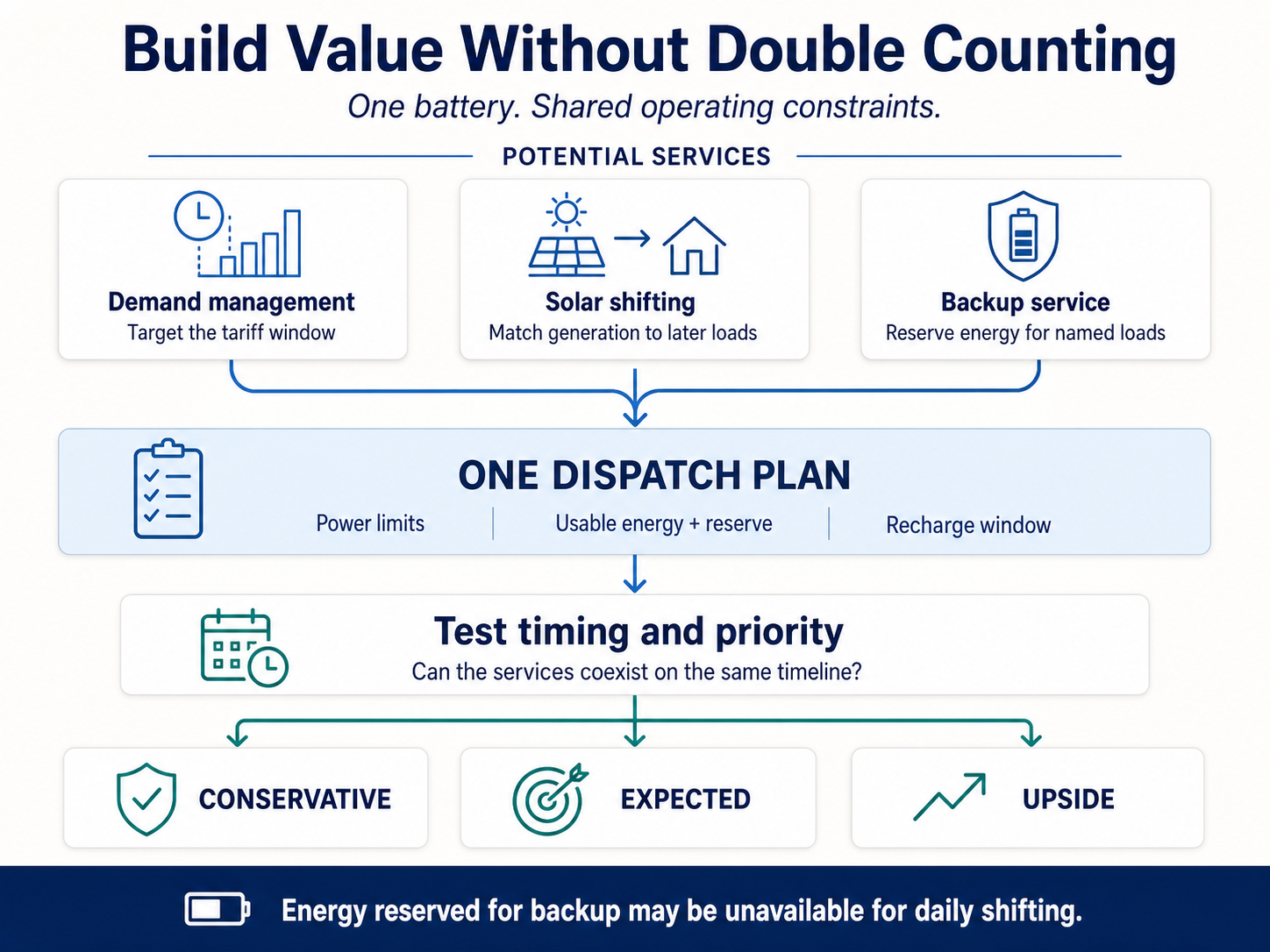
Build a value stack without double counting
Model each value stream separately, then check whether they can occur at the same time. Energy reserved for backup may be unavailable for daily shifting. A discharge used to control one peak may reduce the state of charge for a later event. Demand reduction depends on timing and control performance, not merely on installed kWh.
Use a dispatch simulation or transparent spreadsheet with documented inputs, constraints, and fallback behavior. Show gross value, operating costs, efficiency assumptions, degradation treatment, and any penalty for missed service. Run conservative, expected, and upside scenarios rather than presenting one precise result.
- Treat resilience as a defined service to named loads, not an unlimited benefit.
- Model solar shifting with actual or representative generation and load profiles.
- Apply tariffs and demand windows exactly as contracted.
- Avoid counting the same stored energy twice in overlapping services.
- Record who may change the dispatch strategy after commissioning.
Size the service in kW and kWh separately
Power determines how much load the system can support or offset at an instant; energy determines duration. Derive both from the selected value stream. For demand management, a brief high peak may call for a different design than a long plateau. For backup, start with a protected-load schedule, permitted load shedding, required autonomy, and restart sequence.
The battery nameplate is not the delivered service. Include conversion losses, state-of-charge reserve, environmental effects, operating limits, and an agreed degradation basis. Define whether the business case uses beginning-of-life, end-of-life, or guaranteed usable energy. Keep the assumptions traceable to model-scoped evidence and contract terms.
Recharge constraints can limit repeatability. Identify grid, PV, or generator power available for charging, operational windows, demand side effects, and the next service event. A system that meets one discharge event but cannot recover in time may not meet the commercial objective.
|
Design variable
|
Derived from
|
Procurement output
|
|
Required kW
|
Peak reduction or supported load
|
Continuous and transient power with conditions
|
|
Required usable kWh
|
Event duration, losses, reserve
|
Usable-energy definition and acceptance method
|
|
Recharge requirement
|
Next event and available sources
|
Charge limit, schedule, and control logic
|
|
Availability target
|
Process consequence and redundancy
|
Fault strategy, maintenance plan, and service response
|
Freeze the system boundary and commercial responsibilities
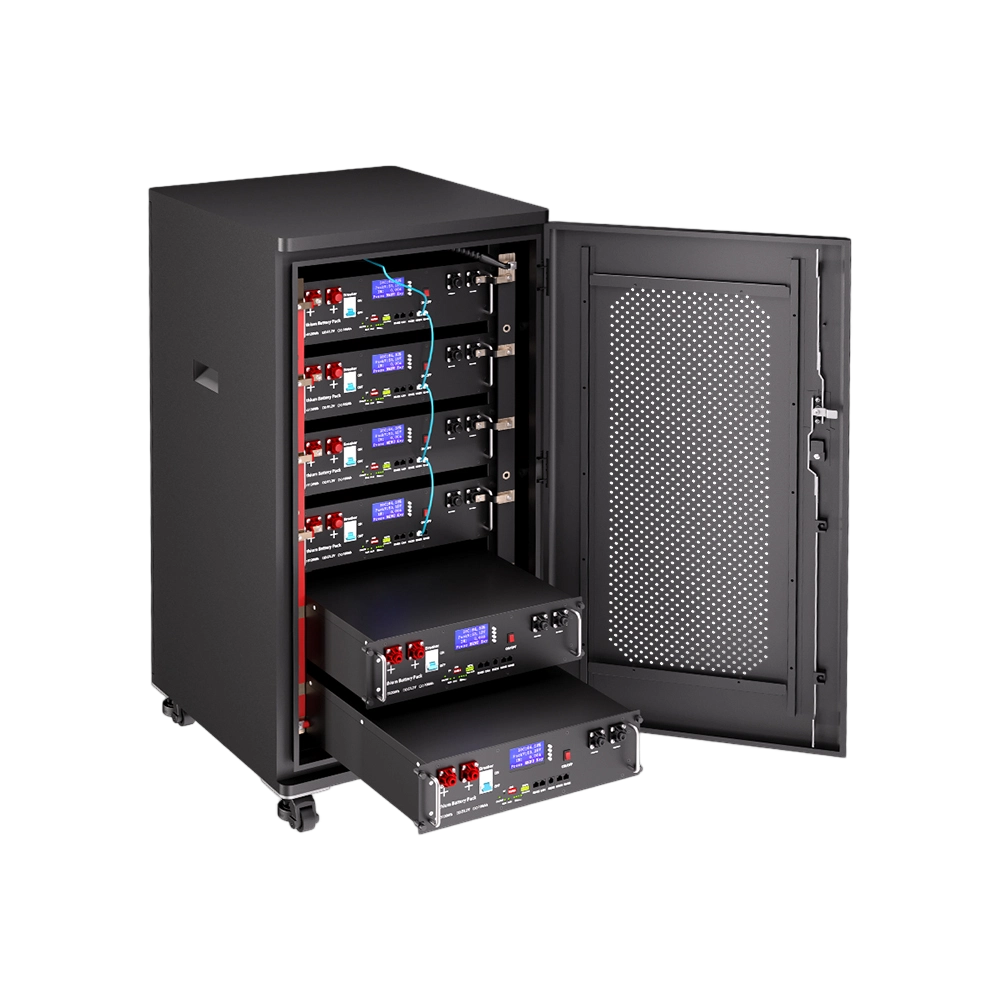
List every scope needed to produce the service: batteries, racks or enclosures, BMS, power-conversion system, EMS, meters, transformers where applicable, switchgear, protection, communications, HVAC, fire interfaces, civil and structural work, installation, grid coordination, commissioning, training, documentation, and service. Assign design, supply, installation, integration, testing, and warranty responsibility for each.
The boundary should also identify interfaces with existing switchboards, PV, generators, building management, utility meters, and site networks. If several vendors share the controls chain, define which party proves end-to-end behavior. A product quotation can look complete while excluding the very engineering needed to make dispatch and protection work.
Create an interface matrix with input, output, protocol, owner, document, test, and failure response. Commercial negotiations should not close until high-risk interfaces have owners and a validation path.
Evaluate controls with operational scenarios
An EMS should be tested against the business case, not evaluated by dashboard screenshots. Write scenarios for normal dispatch, a forecast error, a missed peak, communication loss, meter failure, low state of charge, inverter or battery alarm, planned maintenance, island or backup transition where applicable, and return to normal operation.
Compatibility is configuration-specific. CAN or RS485 on a page does not prove interoperability with a named inverter, PCS, or EMS. Obtain the exact model and firmware matrix, protocol, wiring, points list, control authority, settings, and test status. If that evidence is missing, budget a bench or site integration test and preserve the result as a controlled baseline.
Cybersecurity, remote access, user roles, data retention, updates, and support escalation may also affect commercial risk. Define these requirements with the site’s IT and operational policies rather than assuming the equipment supplier owns them.
Use product pages as configuration references
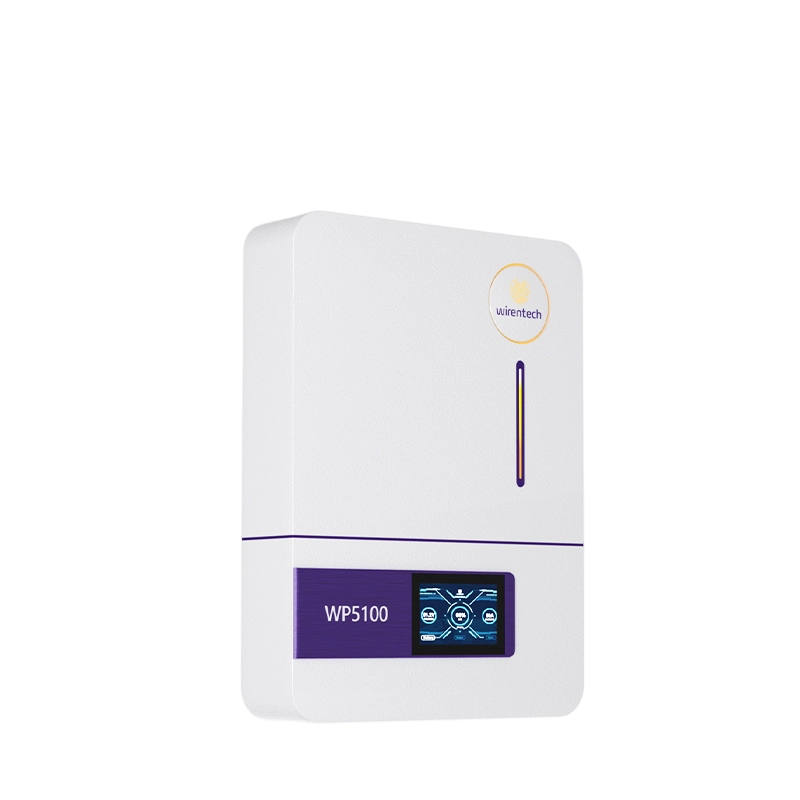
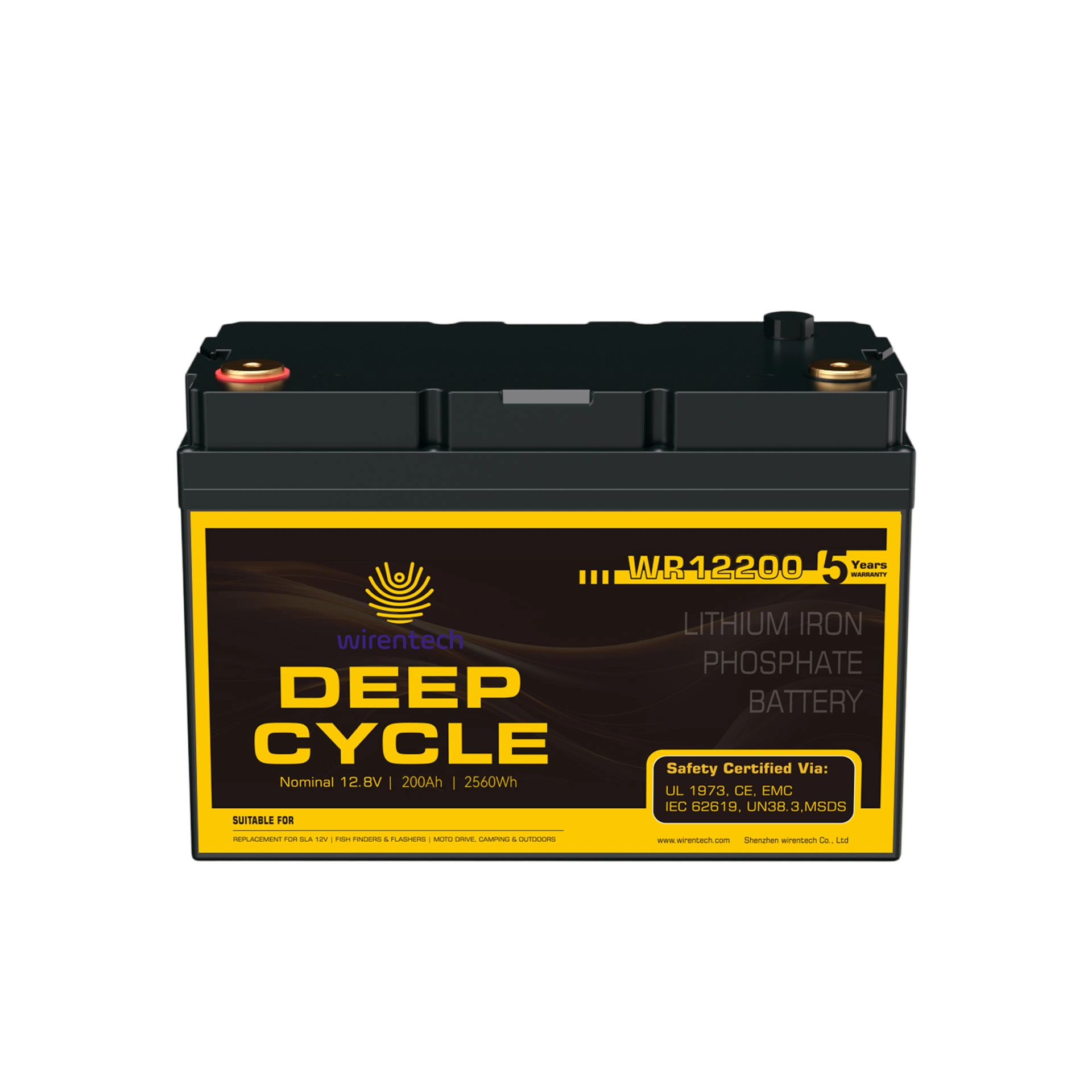
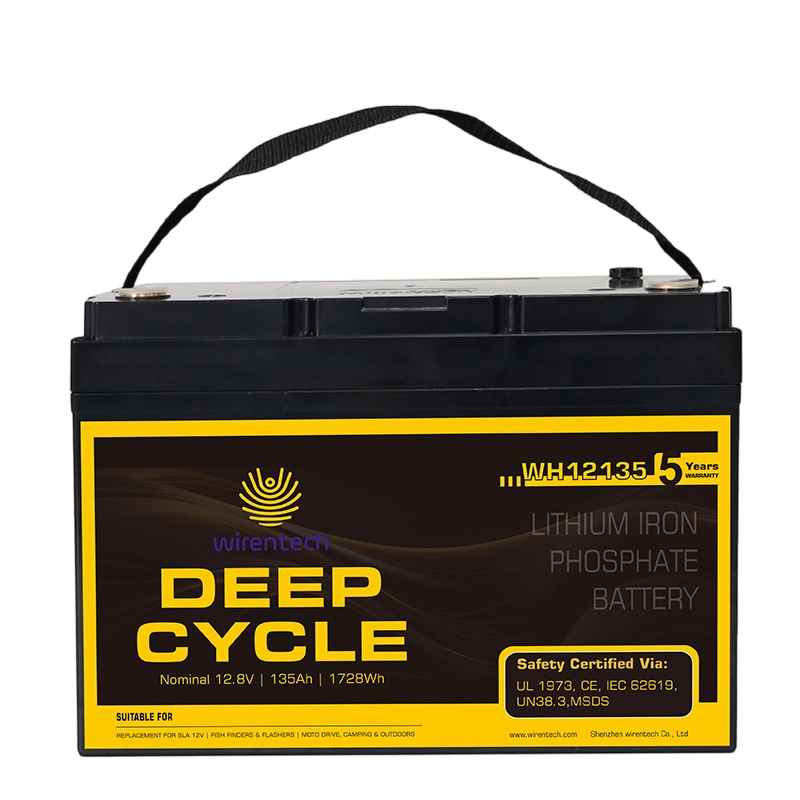
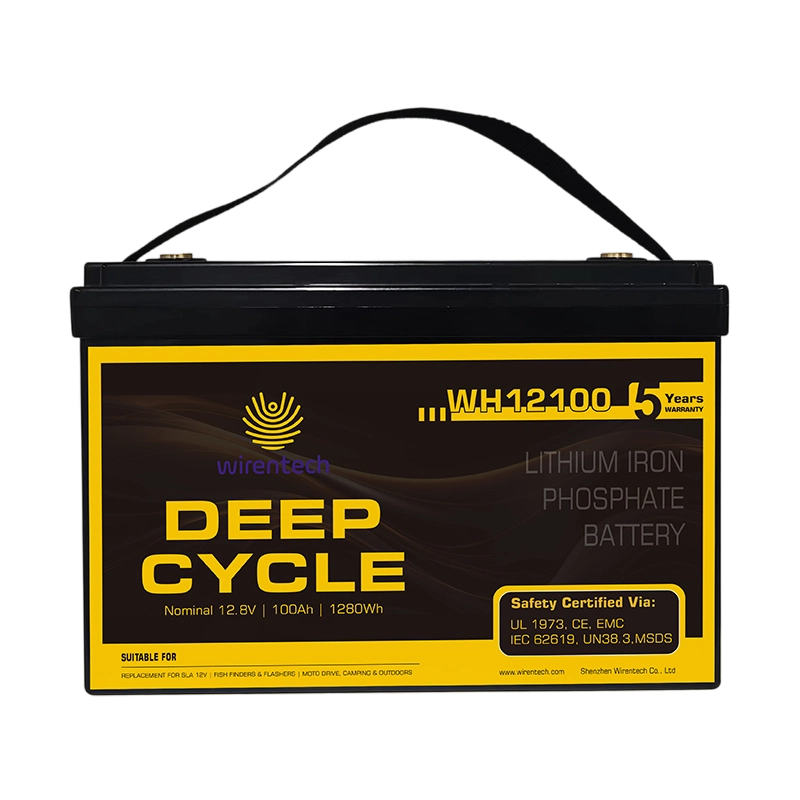
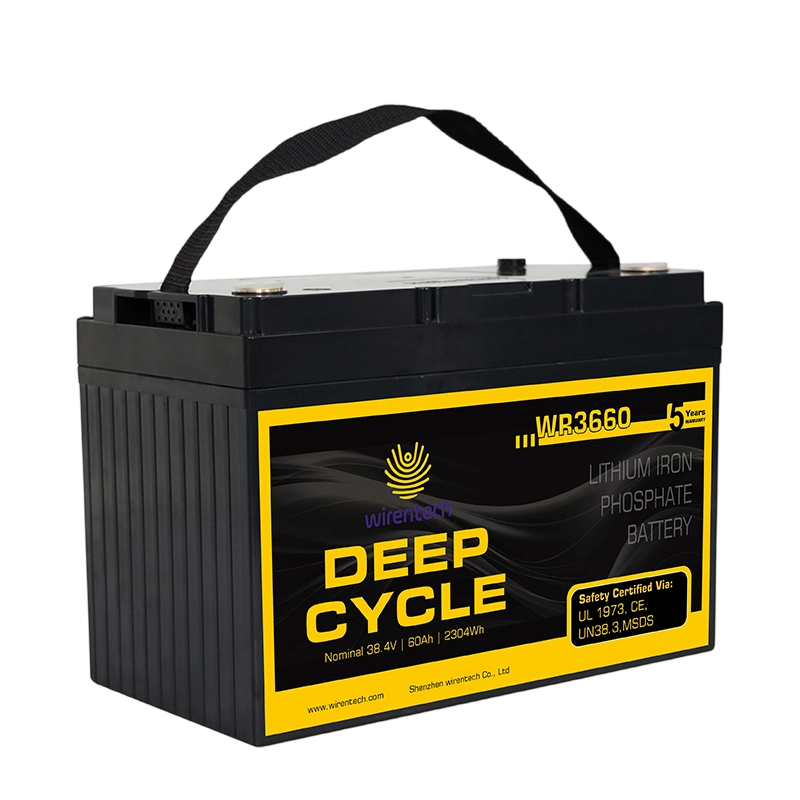
For preliminary configuration screening, buyers can review the 51.2V 200Ah Stackable LiFePO4 Wall Mounted Battery as a wall-mounted or stackable format. They can also review the 51.2V 5kWh 10kWh 15kWh Solar Inverter with Battery for Home when an integrated architecture may fit the application.
These product references do not prove that a residentially named product is suitable for every commercial project. Do not infer continuous power, usable energy, cycle life, inverter compatibility, compliance, parallel capacity, warranty, or commercial availability from a product page. Request current model-specific documents and test the exact configuration against the site duty.
Keep the preliminary shortlist focused on architectures that can be evaluated against the site's duty and evidence requirements; adding more superficially similar pages does not reduce project risk.
Make safety, compliance, and site constraints project-specific
Define the authority, code basis, permitting path, fire strategy, emergency response, access, separation, ventilation, environmental conditions, flooding or contamination exposure, structural support, noise, and service route for the actual site. Requirements vary by market, system size, occupancy, and installation topology; do not publish a universal checklist as if it guarantees approval.
Ask for model-scoped certification and test files, transport documentation, SDS, manuals, labels, and system-level evidence required by the project. UL 1973 component recognition is not a complete-system listing. UL 9540A is a test method and report context, not a product certification. UN 38.3 supports transport review rather than installed-system approval.
Do not assume UL, IEC, cycle-life, parallel, or warranty claims apply to these commercial configurations without exact model-scoped files. If a supplier provides a document for another model, treat it as a gap rather than evidence by similarity.
Convert risk into contract gates and acceptance tests
Use phased gates: data and concept approval, preliminary design, detailed design, factory acceptance, delivery inspection, site installation, commissioning, performance demonstration, and handover. Each gate should have required documents, tests, responsible approvers, open-item rules, and consequences for failure.
Factory acceptance may verify configuration, firmware, labels, drawings, communications, protective functions, electrical results, traceability, and packaging. Site acceptance should verify installation, protection settings, grounding or bonding, metering, controls, alarms, emergency functions, representative dispatch, and recovery. Performance acceptance must use a test method tied to the business case.
|
Gate
|
Evidence
|
Commercial protection
|
|
Design freeze
|
Approved drawings, interfaces, settings, document index
|
Change-control baseline
|
|
Factory acceptance
|
Named configuration and witnessed results
|
Shipment hold or correction process
|
|
Site commissioning
|
Installation records and functional tests
|
Exception list and retest ownership
|
|
Performance test
|
Measured service against agreed method
|
Acceptance criteria and remedy
|
|
Handover
|
As-built files, training, spares, support path
|
Start of approved service obligations
|
Compare lifecycle economics with auditable assumptions
The cost model can include equipment, engineering, construction, interconnection, logistics, taxes or duties where applicable, commissioning, software, communications, maintenance, insurance, augmentation or replacement, downtime, decommissioning, and financing assumptions. Keep currency, price date, delivery basis, project boundary, and contingency visible.
Do not invent a price per kWh, payback period, or savings percentage. Request project-specific quotes and normalize them to the same scope. If cycle life or warranty influences the model, use only the exact conditions and remedies in model-scoped evidence and current contract terms. A cycle count without depth of discharge, temperature, C-rate, end-of-life criterion, and test basis is not a financial input.
Use sensitivity analysis to identify the variables that can reverse the decision: demand-charge value, usable energy, efficiency, availability, degradation, load growth, dispatch success, construction cost, and service expense. Management should see the downside case and the break-even condition, not only the expected result.
Stress-test downside cases and decision governance
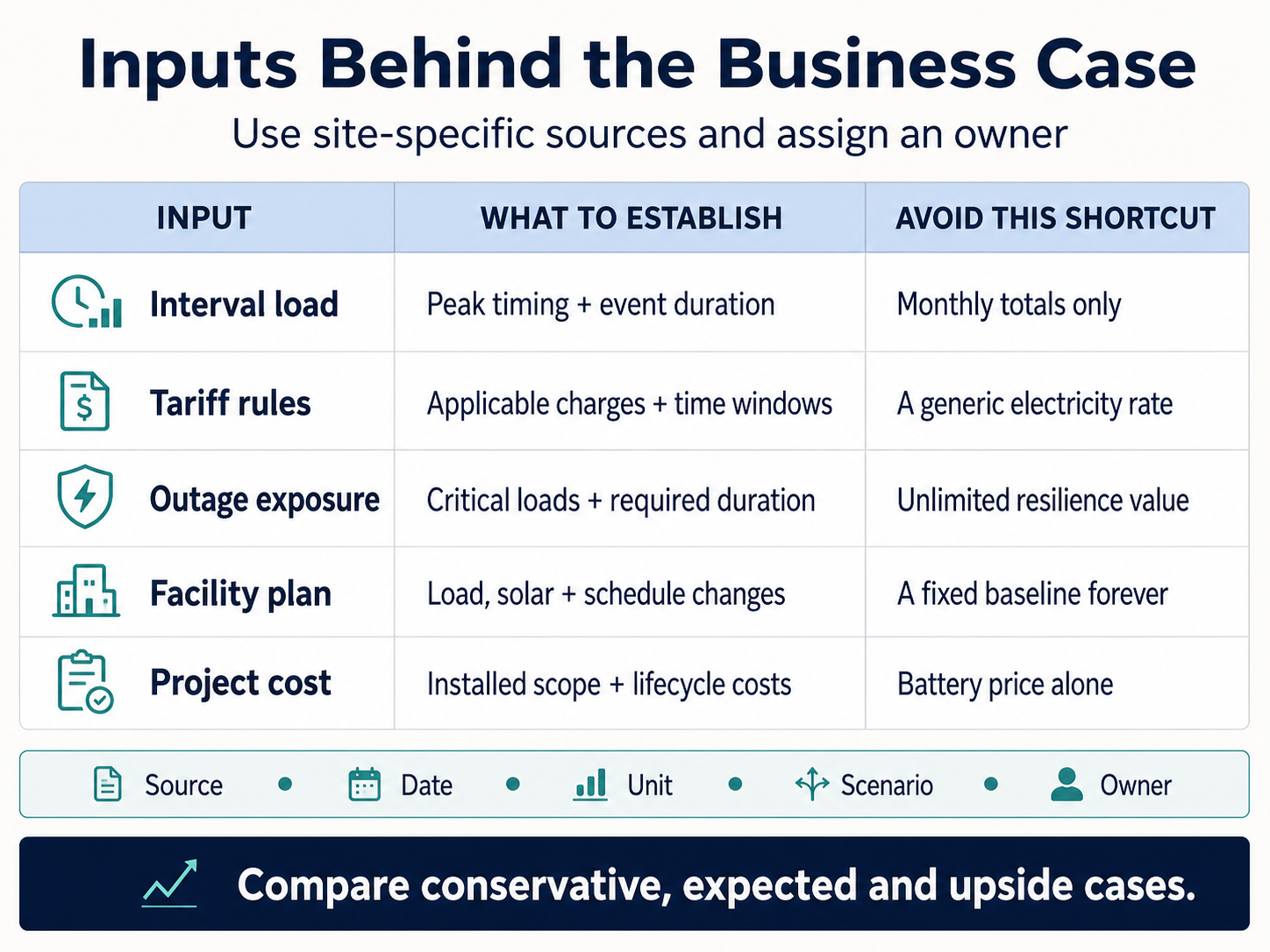
A bankable model should show what happens when the site misses its planned dispatch, construction costs rise, the operating schedule changes, or an asset is unavailable. Define the downside combination that management considers plausible, not merely one-variable sensitivities. Then identify which assumptions can be controlled contractually and which remain operating risk.
Assign an owner and update frequency to every material input. Facilities may own load forecasts; finance may own tariff and discount assumptions; engineering may own usable-energy and availability bases; procurement may own installed cost and service terms. Store the source, date, unit, scenario, and approval. When an input changes, the model should show which decision outputs move.
Use decision gates rather than a single payback threshold. A concept may need a minimum downside return, a maximum capital exposure, a verified interconnection path, a defined safety and permit route, and acceptable operational ownership. A later design change that worsens any gate returns to review. This protects the business case from becoming detached from the equipment and construction package actually purchased.
After commissioning, compare measured dispatch, availability, losses, demand reduction, and operating effort with the model. Treat the review as governance, not marketing. Correct control settings or assumptions where evidence supports the change, and document any benefit that cannot be achieved because of site constraints. The result is a more credible basis for future sites than an unverified case-study claim.
Retain the approved model and the measured review in the same project record. Future proposals should state which inputs come from this site, which are new assumptions, and why the prior result is transferable. This prevents a sound internal lesson from being stretched into an unsupported customer outcome.
Qualify supplier execution and post-commissioning support
Evaluate technical response quality, evidence control, project management, inspection and traceability, firmware governance, change approval, commissioning support, spare strategy, service coverage, and issue escalation. Do not rely on unverified claims about factory ownership, size, production lines, output, customer results, or “zero defects.”
Commercial terms must be current for the exact configuration and destination. Confirm MOQ, sample or engineering-unit policy, lead time, payment, shipping responsibility, warranty, service response, software access, training, and replacement process in the named quotation or contract; do not assume universal figures.
After commissioning, assign ownership for monitoring, alarm response, preventive maintenance, software or firmware change, periodic tests, evidence retention, and business-case review. A system can remain electrically available while drifting away from its intended economic dispatch.
Frequently asked questions for commercial decision teams
What data is needed before requesting a quotation?
Provide interval load and PV data, tariff rules, backup objectives, operating schedule, site constraints, existing one-line information, grid mode, destination, required evidence, milestones, and procurement boundary.
How should commercial battery storage capacity be sized?
Derive kW and usable kWh from the selected service, then include losses, reserve, environment, operating limits, recharge, degradation basis, and acceptance method. Do not size from a monthly bill total.
Can one system provide peak shaving and backup?
Potentially, but the control strategy must reserve sufficient energy and define priority during conflicts. Model both services on the same timeline to avoid double counting.
Does CAN or RS485 prove PCS or inverter compatibility?
No. Verify exact models, firmware, protocol, wiring, points, settings, control authority, and observed behavior through a dated test record.
Which certifications are required?
Requirements depend on market, authority, application, topology, and system size. Request model- and system-scoped files and have the project’s qualified parties confirm applicability.
Is UL 9540A a battery certification?
No. It is a test-method/report context. Review the tested configuration and do not substitute “certified” or “listed” for a report’s actual conclusion.
How should vendors be compared when prices use different scopes?
Normalize equipment, engineering, site work, controls, commissioning, documents, logistics, service, exclusions, delivery basis, currency, validity, and risk allocation before comparing totals.
What belongs in a performance acceptance test?
Use the contracted service: defined charge and discharge sequence, metering, initial conditions, power, usable energy or dispatch result, efficiency basis where applicable, alarms, recovery, tolerances, and data sign-off.
Investment decision: buy a verified service, not a battery headline
The commercial case closes when the site problem, value calculation, power and energy service, system boundary, controls, evidence, project risk, acceptance method, and support model agree. A proposal that looks inexpensive but leaves those items unresolved is not comparable to a complete project.
Send Wirentech the interval load and PV data, tariff and resilience targets, required kW and usable kWh methodology, site and grid constraints, inverter or PCS context, communications, destination, quantity, schedule, evidence list, and acceptance gates. Request an assumption-led response and current quotation; do not allow an unverified price, compatibility, cycle-life, certification, or warranty statement to carry the business case.