A 5 kW wall-mounted battery project should be qualified as a complete power system, not purchased from a voltage-and-capacity label alone. Confirm the backup loads, required runtime, usable-energy limit, inverter battery window, BMS protocol, installation conditions, and model-scoped documents before comparing quotations. Treat any Powerwall wording here as an independent form-factor comparison; it does not imply Tesla affiliation, equivalence, or certification parity.
The phrase “5 kW” usually describes a power requirement, while “48V 100Ah” describes a nominal battery configuration. Those values answer different questions. A buyer who joins them into one shorthand search still needs to convert the shorthand into an engineering brief that installers and suppliers can quote consistently.
Separate the 5 kW load from the battery’s energy
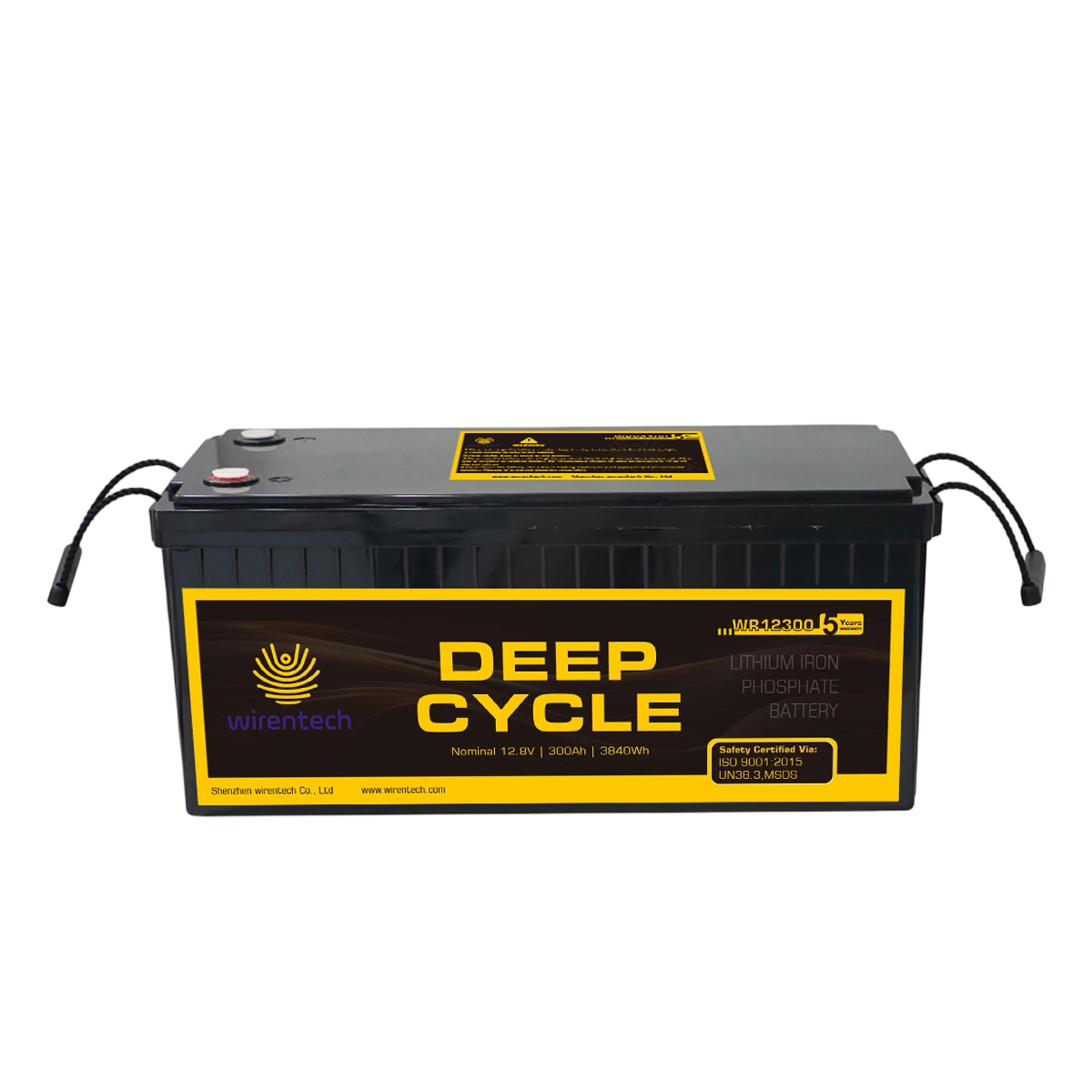
Power is the rate at which energy is delivered. Energy is how long that delivery can continue. At a nominal 48V and 100Ah, the simple nominal-energy calculation is 48 × 100 = 4,800Wh, or 4.8kWh. A 51.2V, 100Ah configuration calculates to 5.12kWh nominal. Neither figure is automatically usable energy: depth-of-discharge limits, conversion losses, temperature, ageing assumptions, and reserve policy must be defined.

Do not infer that a battery can continuously support 5 kW merely because the project is called a 5 kW system. The battery’s continuous current limit, short-duration current limit, BMS settings, conductors, protection devices, inverter conversion efficiency, and thermal environment all affect deliverable power. The quotation should identify which value is continuous, which is time-limited, and under what test conditions.
|
Buyer input
|
What it controls
|
Required output
|
|
Critical-load list and starting loads
|
Peak power and surge requirement
|
Load schedule with duration and coincidence
|
|
Backup-runtime target
|
Required usable energy
|
kWh requirement with reserve and loss assumptions
|
|
Nominal DC architecture
|
Current, cable size, protection and inverter window
|
Approved voltage range, current limits and protection design
|
|
Ambient and installation location
|
Thermal performance and enclosure selection
|
Allowed temperature range and installation restrictions
|
Turn runtime into a transparent sizing calculation
Begin with measured or conservatively documented loads. Multiply each load by its expected operating time, then add conversion losses and the agreed reserve. Keep the calculation visible. A single “whole-home backup” label conceals whether heating, cooking, pumps, compressors, or other high-power equipment are included.
Use three scenarios rather than one optimistic figure: normal critical-load operation, a high-demand interval, and an extended-outage conservation mode. The scenarios help an installer decide whether to shed loads, increase storage, or change the inverter architecture. They also make supplier comparisons fair because every proposal is tested against the same duty profile.
- Record watts, operating hours, start-up behavior, and daily energy for each protected circuit.
- State the minimum state of charge reserved for emergency operation.
- Separate nominal energy, warranted usable energy, and expected delivered AC energy.
- Recalculate for the lowest expected installation temperature if performance is temperature-dependent.
- Define the acceptance test that will demonstrate runtime after commissioning.
Compare installed cost without publishing a fictional price
There is no defensible universal price for a 5 kW battery project. A quotation changes with battery quantity, inverter scope, electrical work, local compliance, monitoring, freight, commissioning, and service terms. Comparing only the battery line item can make a low initial quote look attractive while shifting necessary work into later change orders.
Ask each bidder to return the same cost structure. The useful denominator is not simply price per nominal kWh. Buyers may compare price per accepted usable kWh, installed cost per supported critical-load hour, and lifecycle cost under a documented duty cycle. Cycle-life or warranty claims should not enter the calculation until their conditions and model scope are reviewed.
|
Cost block
|
Include in the comparison
|
Common omission to challenge
|
|
Battery system
|
Modules, enclosure, BMS and required accessories
|
Optional hardware treated as included
|
|
Power conversion
|
Inverter, gateway, meters and communications
|
Firmware or protocol work
|
|
Installation
|
Mounting, cables, protection, isolation and labor
|
Site remediation or long cable runs
|
|
Compliance and logistics
|
Required documents, packaging, freight and local approvals
|
Destination-specific fees and responsibilities
|
|
Commissioning and service
|
Configuration, testing, training and support route
|
Remote support limits and replacement process
|
Verify inverter and BMS integration by exact configuration
CAN or RS485 on a product page identifies an interface, not universal compatibility. The buyer should obtain a model-specific integration record covering battery model, inverter brand and model, firmware versions, protocol selection, pinout, termination, charge and discharge limits, alarm behavior, and recovery from communication loss. If the inverter will operate in voltage-control mode without closed-loop communication, that operating strategy should be documented separately.
Run a bench or pilot test before a volume order. The test should observe state-of-charge reporting, current limits, charge cut-off behavior, alarms, sleep and wake behavior, emergency shutdown, and recovery after a fault. Record the approved settings so later shipments can be checked against the same baseline.
Installation must follow the applicable product documentation, local rules, and a qualified electrical design. Commissioning records should preserve the settings and test results accepted for the installed configuration.
Evaluate the wall-mounted alternative on its own evidence
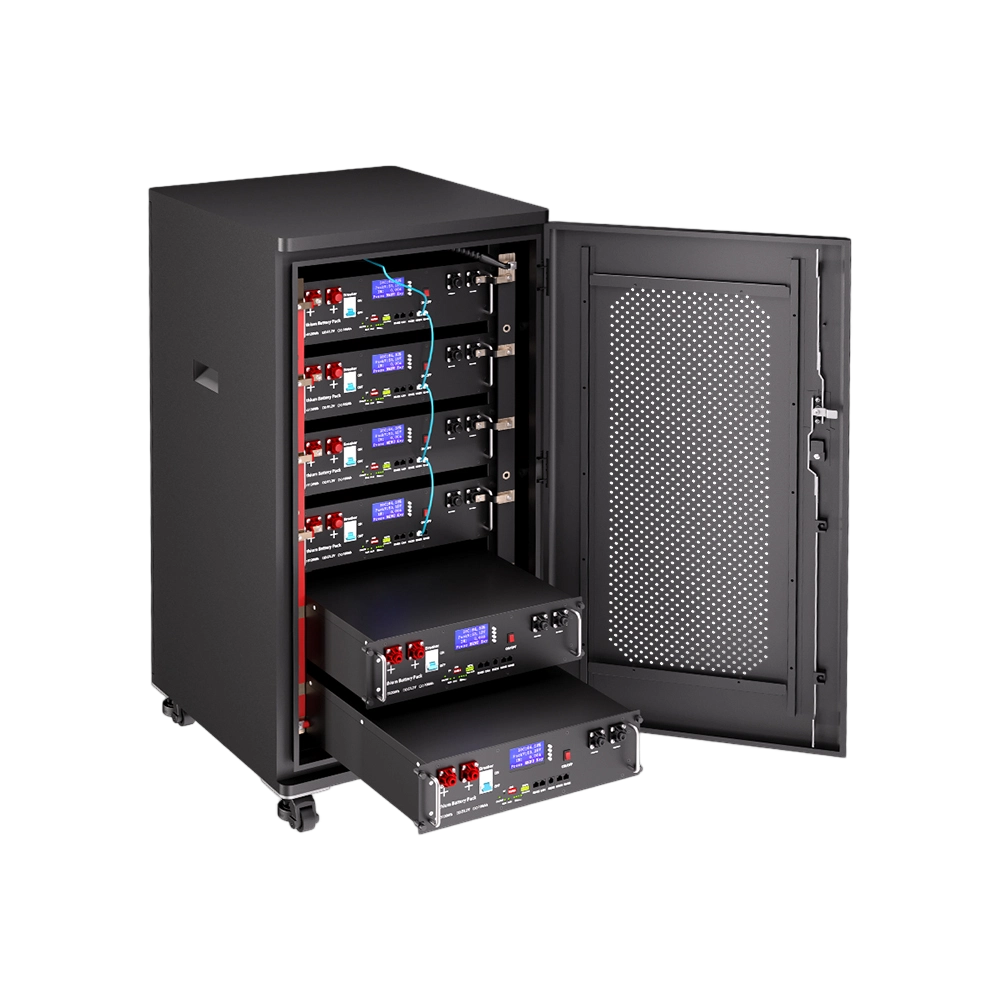
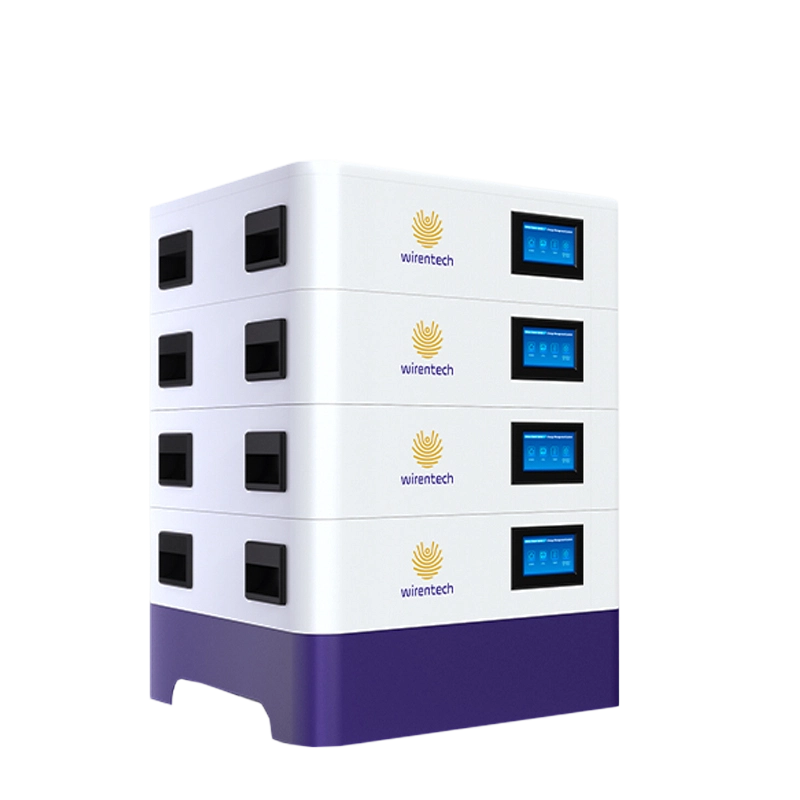
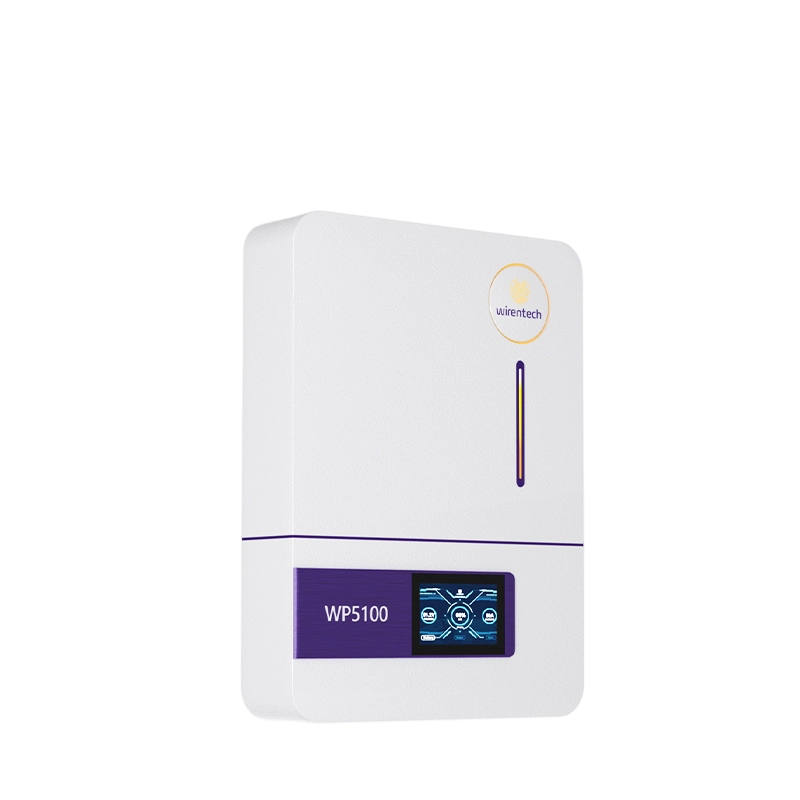
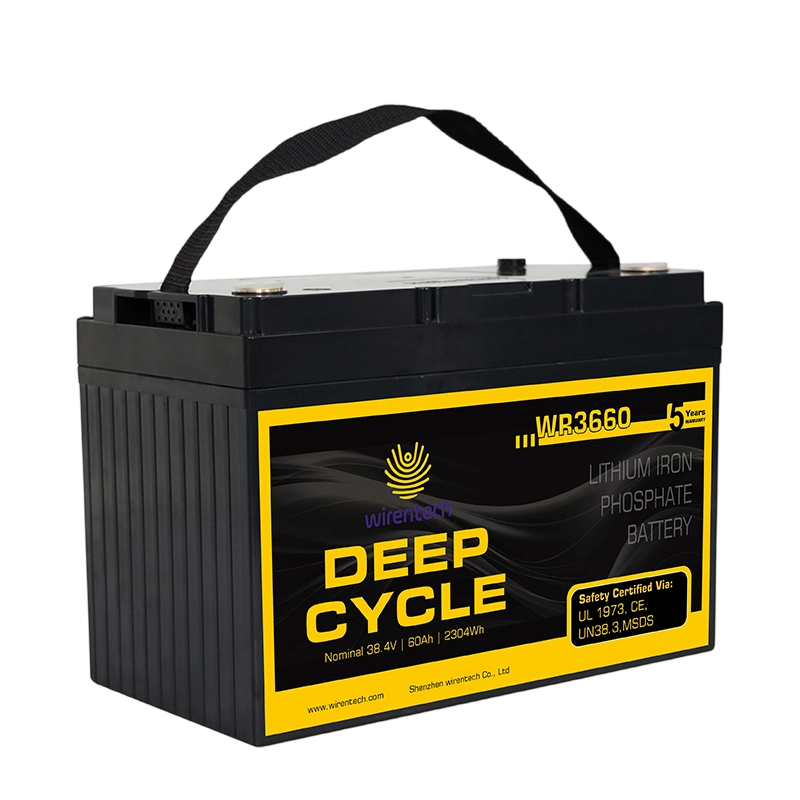
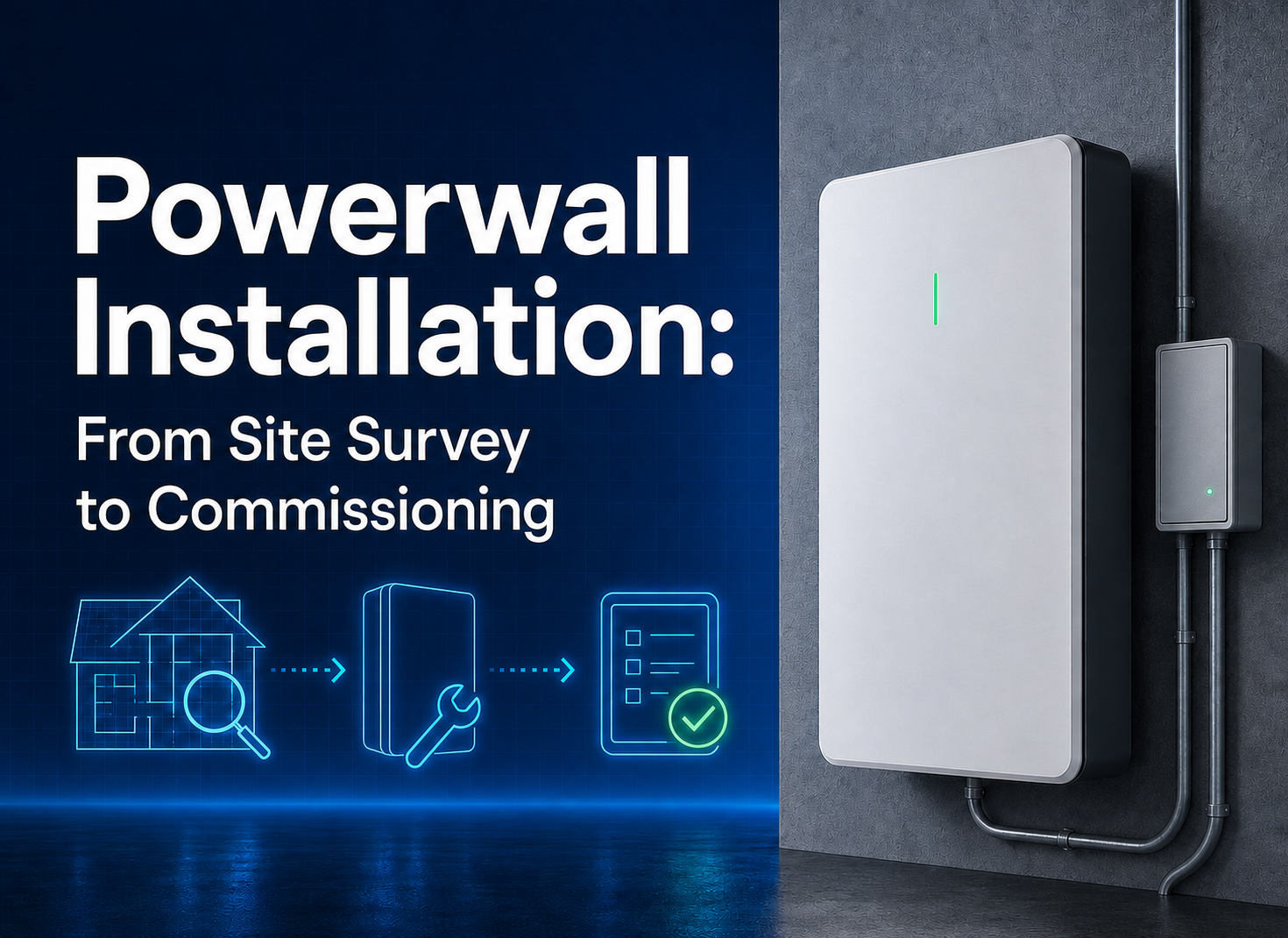
For buyers evaluating an independent alternative, Wirentech’s 51.2V 100Ah LiFePO4 Wall Mounted Battery presents a 51.2 V, 100 Ah, wall-mounted LiFePO4 configuration. That makes it relevant for initial form-factor and nominal-energy screening, but the page is not a substitute for a project-specific datasheet, inverter validation, compliance review, or approved quotation.

The product should be described as an independent wall-mounted alternative, never as a Tesla product or as technically equivalent by default. A useful comparison measures physical envelope, nominal and usable energy, allowable power, communications, installation method, service access, evidence scope, and commercial responsibility. Brand-shaped assumptions should not replace those parameters.
When comparing architectures, keep each candidate’s model, datasheet, interface evidence, and commercial responsibility separate. Similar form factors do not establish technical equivalence.
Assign installation responsibilities before purchase
Wall mounting changes the site interface. The installer should verify wall structure, fasteners, clearances, cable routing, isolation, ventilation requirements, access for service, protection from impact, and local restrictions on battery placement. Indoor, garage, plant-room, and protected outdoor locations can create different requirements; do not assume an enclosure rating or installation permission that has not been documented for the exact product.
A responsibility matrix prevents gaps between supplier, inverter provider, installer, EPC, and owner. Name the party responsible for system design, protection settings, communications, site approval, delivery inspection, installation, firmware configuration, commissioning, user training, and post-installation support. The commercial contract should point to the same matrix.
Request model-scoped safety and transport files
Compliance claims must match the exact battery designation and the intended claim. A transport test summary such as UN38.3 addresses transport testing; it does not approve a stationary installation. A UL 1973 Recognized Component file is not automatically a complete system listing. UL 9540A refers to a test method and report context and should not be rewritten as a product certification unless an applicable certification document explicitly says so.
Ask for the file itself, its model list, report or certificate date, applicant and manufacturer roles, configuration limits, and any conditions of acceptability. Confirm destination requirements with the responsible local professional. If a bidder provides only a logo collage or a generic certificate, return the question with the exact model designation.
Use a parameter-led installer and supplier RFQ
An effective RFQ is brief enough to answer but specific enough to compare. Attach the load schedule, single-line diagram if available, installation photos or drawings, destination, project timeline, and required acceptance records. Do not request a generic “best price” before the configuration is stable.
Normalize the load case before comparing batteries
Ask the electrical designer to divide the load schedule into continuous demand, short-duration peaks, startup events, and optional loads. A 5 kW label is not enough because a battery may spend most of its time well below that level while still needing to support a brief high-current event. Record the duration and coincidence of each event, the inverter efficiency assumption, the minimum permitted battery voltage, and the reserve required at the end of the duty window. This creates a common operating envelope that every bidder can review.
The same schedule should identify loads that may be shed when the battery approaches its limit. Heating elements, vehicle charging, pumps, and compressors can change the result quickly if they are allowed to overlap. A staged-load plan may reduce the required battery power without reducing critical-load protection. It also gives the commissioning team a repeatable sequence for confirming that load priorities and shutdown logic work as specified.

Separate nominal energy from accepted usable energy
Quotations should state nominal voltage, rated amp-hours, nominal energy, the permitted state-of-charge window, and the conditions under which the proposed usable energy applies. The buyer can then compare the energy available at the DC side with the energy expected at the AC load after inverter and wiring losses. If a supplier uses a different reserve, temperature, or end-of-discharge condition, the difference should be shown as an exception rather than hidden in a single capacity number.
For a multi-hour requirement, ask the bidder to return a simple time-step calculation using the buyer's load profile. The calculation should show battery power, current, state of charge, inverter loss, and remaining reserve at each meaningful interval. This is more useful than a headline runtime because it exposes the assumptions that will later govern acceptance testing. If the model cannot be traced to the offered configuration, treat it as an estimate for discussion, not a guaranteed result.
Make commissioning results part of the commercial record
The purchase order should connect payment or final acceptance to agreed commissioning evidence. Useful records include the installed serial numbers, approved firmware and settings, connection checks, protection settings, communication status, alarm tests, controlled-load results, shutdown and restart behavior, and the final as-built diagram. The owner should also receive the approved datasheet, manuals, configuration backup, and a clear route for technical escalation.
Define how a later substitution will be controlled. A cell, BMS, firmware, inverter setting, enclosure, or connector change can alter the validated configuration even when the marketing name is unchanged. Require the supplier to identify material changes before shipment and state what review or retesting they trigger. This protects the buyer from treating a successful pilot as blanket approval for a different production build.
The final comparison should present three linked views. The technical view shows whether the offered battery can meet the accepted power, energy, environmental, installation, and interface requirements. The evidence view lists the exact files and tests that support those conclusions. The commercial view shows installed scope, exclusions, acceptance conditions, service responsibilities, and costs using the same denominator. A proposal should not advance merely because one view is attractive while the others remain undefined.
Before award, hold a joint review with the buyer, installer, inverter or controls party, and battery supplier. Walk through the load case, single-line diagram, cable and protection assumptions, communication boundary, physical location, commissioning sequence, and handover records. Record decisions and unresolved items in one action log. This is particularly important when a “48 V” search phrase leads to a 51.2 V nominal product example: the system must be designed against the documented operating window of the proposed model, not against a rounded label.
The buyer's go/no-go statement can then be concise: proceed only when the proposed model has enough documented energy and power for the agreed load case, the inverter and installation interfaces have an approved validation plan, the live product page and model records refer to the same configuration, and commercial terms attach to that configuration. If any of those conditions is missing, the correct next step is targeted verification rather than a larger battery or a faster purchase order.
One final worksheet should reconcile the numbers used by sales, engineering, and installation teams. It should show the agreed load power, runtime, nominal and usable energy assumptions, minimum voltage, expected current, reserve, environmental case, and acceptance criterion in one place. The person responsible for each input should be named, and revisions should be dated. This reduces the risk that a quotation uses one load case, the installer designs for another, and the commissioning test applies a third.
The same discipline applies to cost. Record which equipment, protection, cabling, mounting, commissioning, documentation, freight, taxes, and service items are included. Then state the capacity and runtime basis behind any cost-per-kWh or cost-per-hour comparison. A transparent comparison may still show uncertainty, but it prevents an incomplete equipment price from appearing more attractive than a complete installed scope.
- Required AC output, surge loads, backup hours, and load-shedding plan.
- Battery nominal voltage, target usable energy, reserve, and expansion approach.
- Inverter make, model, firmware, protocol, and required operating mode.
- Installation location, wall construction, temperature range, clearance, and access constraints.
- Required model-scoped technical, transport, and compliance files.
- Annual demand forecast, pilot quantity, delivery destination, and Incoterm request.
- Commissioning tests, data handover, warranty document, and change-control process.
MOQ, lead time, warranty, production capacity, and price must be returned for the defined configuration and order conditions. They should not be copied from a different model or an old marketing statement.
Buyer FAQ for a 5 kW wall-mounted battery project
Does 48V 100Ah equal 5 kWh?
It is close as a shorthand: 48V × 100Ah equals 4.8kWh nominal, while 51.2V × 100Ah equals 5.12kWh nominal. Usable and delivered energy are lower or otherwise constrained by operating limits, losses, reserve, temperature, and ageing assumptions.
Can a 100Ah wall battery continuously deliver 5 kW?
Not from capacity alone. Verify the exact model’s continuous current, time-limited current, BMS limits, cable and protection design, inverter behavior, and thermal conditions.
What information is needed for inverter compatibility?
Provide the battery model, inverter model, both firmware versions, protocol, pinout, termination, operating mode, and required charge/discharge limits. Request evidence from the same configuration or run a controlled pilot.
Which document supports shipping?
Request a model-matched UN38.3 test summary and the shipping documents required for the chosen route. Transport evidence does not replace installation or product-compliance review.
Is a published cycle number enough for a lifecycle calculation?
No. The test temperature, depth of discharge, charge and discharge rates, end-of-life threshold, and warranty terms determine whether the number is relevant to the project.
How should buyers compare quotations with different capacities?
Normalize the proposals to accepted usable energy, supported loads, installed scope, evidence package, commissioning, and service terms. List exclusions separately before comparing price.
What should be verified before a bulk order?
Freeze the model, BOM-relevant options, firmware, labels, packaging, inspection plan, acceptance criteria, and approved pilot result. Define how substitutions or changes will be controlled.

Make the purchase decision from verified system fit
The correct decision is not the battery with the most familiar label or the lowest isolated unit price. It is the configuration that supports the documented loads, integrates with the named inverter, fits the site, carries model-scoped evidence, and arrives with clear commissioning and service responsibilities.
For a project review, send the load schedule, target runtime, inverter model and firmware, installation market, wall conditions, required documents, pilot quantity, and annual forecast. Wirentech can then assess the proposed wall-mounted alternative against those inputs without implying Tesla affiliation or promising an unverified configuration.